Introduction
From the export of local Lingnan products in the Tang Dynasty to the overseas shipment of ceramics in the Song; from the exquisite craftsmanship blending Chinese and Western styles during the Ming and Qing dynasties to today's globally recognized smart manufacturing... Guangdong goods have evolved through the ages, grown through openness, and soared through innovation.
Guangzhou Daily's Yueyun( Cantonese Cultural ) Weekly presents the "Guangdong Goods, Global Reach" series, unfolding this millennium-spanning scroll of Guangdong's products and contributing cultural strength to the province's high-quality development.
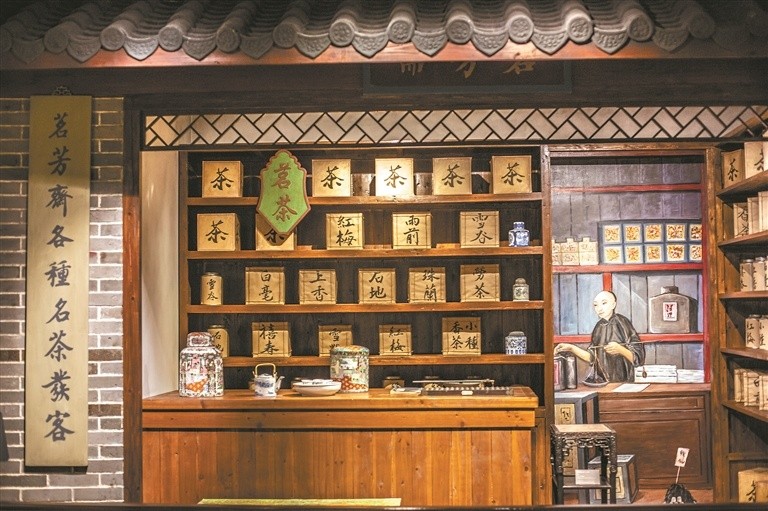
Iconic Guangdong Goods — Tang Dynasty
Lychees, agarwood, Guangdong brocade, Jicui fur, Guangnan pearls
Since the Qin and Han dynasties, Guangzhou has leveraged its geographical advantages to become a vital hub for trade and commerce. By the Tang Dynasty, it had emerged as a major eastern port along the Maritime Silk Road. Rare Lingnan products traveled north via trade routes and also set sail aboard merchant vessels. Among them, Guangdong brocade — highly sought after and exported to Japan — became a representative category of early foreign-trade Guangdong goods.
In 743 AD (the second year of the Tianbao era), a high-profile "Light Goods Fair" was held in Chang'an. A vessel representing Lingnan arrived laden with aromatic herbs and precious treasures, including locally sourced agarwood, lustrous pearls, smooth tortoiseshell, and rare ivory. It marked the first time "Guangdong goods" gained widespread recognition in the imperial capital.
Iconic Guangdong Goods — Song Dynasty
Porcelain, Guangdong brocade, Guanxiang (Guangdong agarwood), Guangdong sugar, southern medicinal herbs
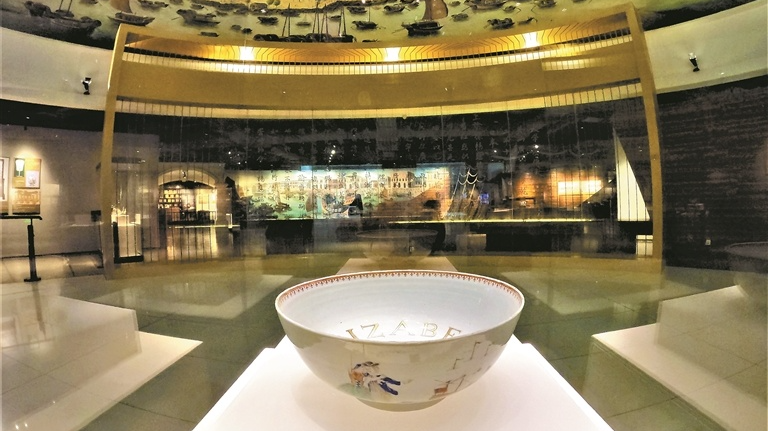
By the Song Dynasty, Guangdong goods had moved beyond the Tang-era positioning as "rare treasures" and developed into large-scale export commodities.
During this period, Guangzhou's overseas trade flourished. Celebrated porcelains from kilns across the country converged at Guangzhou Port before being shipped along the Maritime Silk Road to global markets. This thriving ceramic trade spurred the growth of local kilns. The Xicun Kiln in Guangzhou, established to meet export demand, rose to prominence as a renowned kiln producing porcelain for overseas markets.
To suit foreign tastes, kiln workers crafted items tailored to different cultural preferences and customs, moving beyond traditional forms. These included phoenix-headed vases blending Persian influences and green-glazed brown-patterned floral plates designed for the hand- rice eating customs of Southeast Asia. The kilns produced nearly thirty types of daily-use ceramics, including bowls, cups, dishes, and jars — all sturdy and well-shaped to endure long sea voyages.
During the Song Dynasty, Guangdong goods formed a comprehensive export system centered around porcelain, Guangdong brocade, Guanxiang, Guangdong sugar, and southern medicinal herbs.
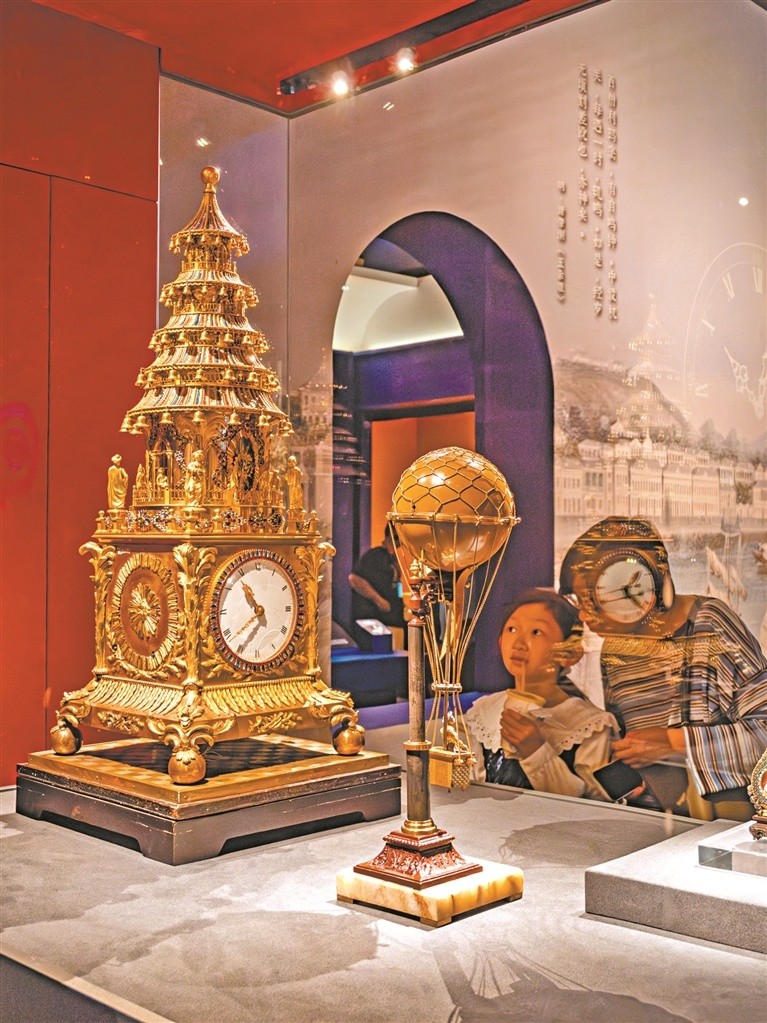
Iconic Guangdong Goods — Ming and Qing Dynasties
Cantonese porcelain, Cantonese embroidery, Cantonese-style furniture Cantonese tea, Cantonese medicinal herbs
During the Ming and Qing dynasties, Guangdong leveraged its unique trade advantages to build a complete and diverse system of local goods. Silk from the Jiangnan region was woven into Guangdong yarn, earning the title "the finest yarn under heaven." Tea emerged as the largest export commodity in the Qing Dynasty. Wuyi tea and Anhui tea were processed and packaged in Guangdong before being exported collectively under the name "Cantonese tea," at one point underpinning half of global trade. Guangzhou also became the country's largest distribution center for medicinal herbs, with Xinhui chenpi (aged tangerine peel) gaining recognition as the "best chenpi under heaven" during the Ming and Qing periods.
In 1757 (the 22nd year of the Qianlong reign), Guangzhou became the only legal gateway for trade with Europe and America. Over the following 85 years, the Thirteen Hongs in Guangzhou served as the central hub for Guangdong goods heading overseas. Guangdong products began incorporating Western techniques and evolved into "foreign-style Guangdong goods" — Cantonese porcelain, Cantonese embroidery, Cantonese-style furniture, Cantonese tea, Cantonese medicinal herbs, and export-oriented crafts formed a complete brand system.
Through the Thirteen Hongs, these goods reached markets around the world, making "Guangdong goods" synonymous with quality and style.
Iconic Guangdong Goods — Modern Era
Pearl River beverages, Guangdong grains, Lingnan apparel, Guangdong home appliances
The modern global journey of Guangdong goods would not have been possible without the support of the Canton Fair as a vital bridge. On April 25, 1957, the first Canton Fair opened, becoming the primary platform for Guangdong goods to reach international markets.
With the deepening of China's reform and opening-up, the Canton Fair evolved accordingly, transforming from a single export exhibition into a comprehensive global trade platform with ever-expanding scale. The Guangdong goods on display evolved as well — from traditional light industrial products to modern industrial goods such as home appliances and electronics.
Over the past six decades, the Canton Fair has attracted millions of buyers and recorded total transaction volumes exceeding one trillion US dollars, establishing stable trade ties with more than 200 countries and regions.
Iconic Guangdong Goods — Today
Smart new energy vehicles, high-end equipment, electronic information products, cultural heritage creative products
Today, with the steady development of the Guangdong-Hong Kong-Macao Greater Bay Area, Guangdong has accelerated its manufacturing transformation and upgrading, quietly making the leap from "world's factory" to "smart manufacturing hub."
Guangdong goods are once again evolving — shifting from light industrial manufacturing to high-end equipment, new energy, electronics, and other diverse fields. Smart manufacturing has become the new calling card of Guangdong goods. Today, 40% of China's industrial robots, 80% of its service robots, 18 % of its integrated circuits, and 70% of the world's consumer drones are made in Guangdong.
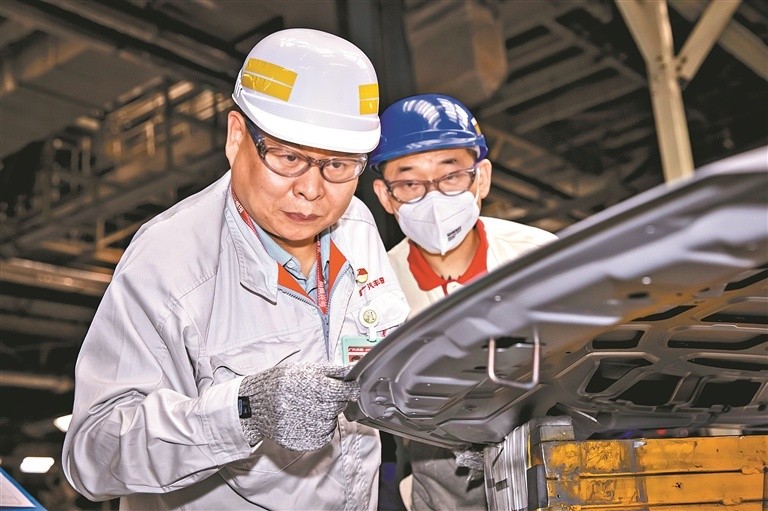
The new generation of Guangdong goods also represents the export of brands, culture, and value. In 2025, Guangzhou's gaming industry revenue reached 153.245 billion yuan, accounting for 42.8 percent of the national gaming market — a remarkable achievement for a single city.
From the "Light Goods Fair" in Chang'an to the "Intelligent Manufacturing from China" in global markets, Guangdong goods carry not only products but also the spirit of pragmatism, innovation, openness, inclusiveness, and mutual benefit.
Source: Guangzhou Daily
Producers: Xu Fang, Liu Jianneng
Planners: Lin Zhaohui, Zhou Xian
Reporter: Ni Ming
Photos: Su Junjie, Wang Weixuan, Yang Yaoye, Liu Yu
English Author & Editor: Wen Junhua
 打开广州日报新花城,享受流畅体验