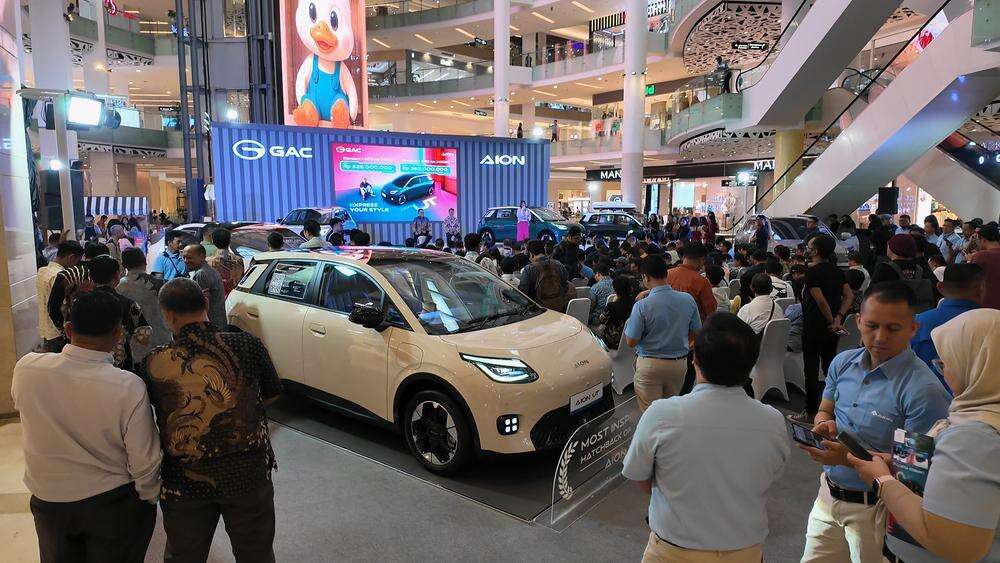
"Wow! These new energy vehicles are so impressive!" Recently, at a high-end shopping mall in Jakarta, Indonesia, GAC Group held a marketing campaign for its new models. Local media and consumers crowded around the displayed cars, offering enthusiastic praise.
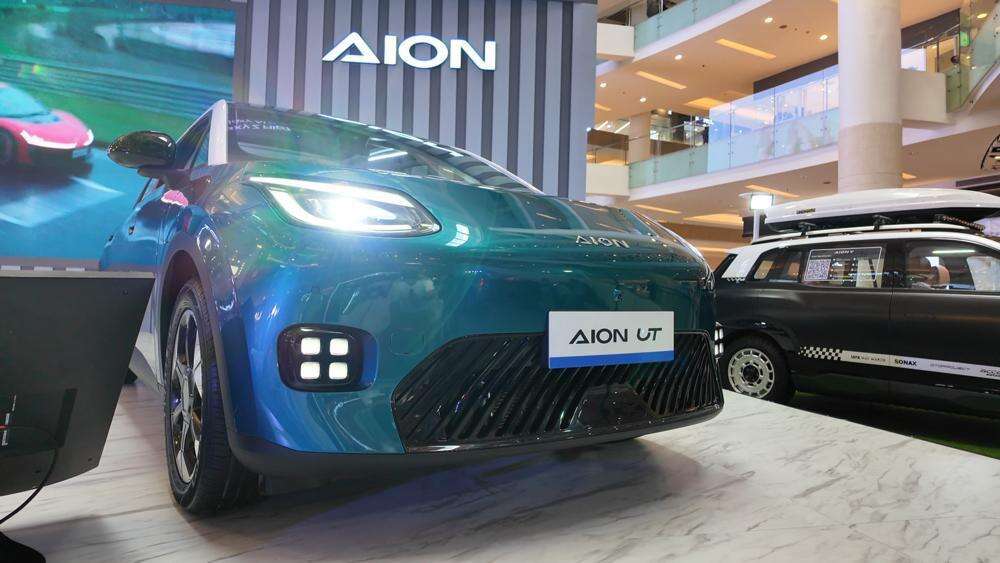
In recent years, Indonesia has been vigorously developing its new energy vehicle (NEV) industry, drawing the attention of Guangdong automakers, including GAC Group. At present, GAC has already launched four models in the Indonesian market. Meanwhile, the GAC Indonesia Smart Factory has gone into operation, with two models now produced and assembled locally.
As the largest economy in ASEAN and the world's fourth most populous country, Indonesia is pressing ahead with its ambition to become a regional hub for the new energy industry. The Indonesian government aims to have a car parc of 2 million electric vehicles by 2030, while also advancing charging infrastructure, with a target of 50,000 charging stations.
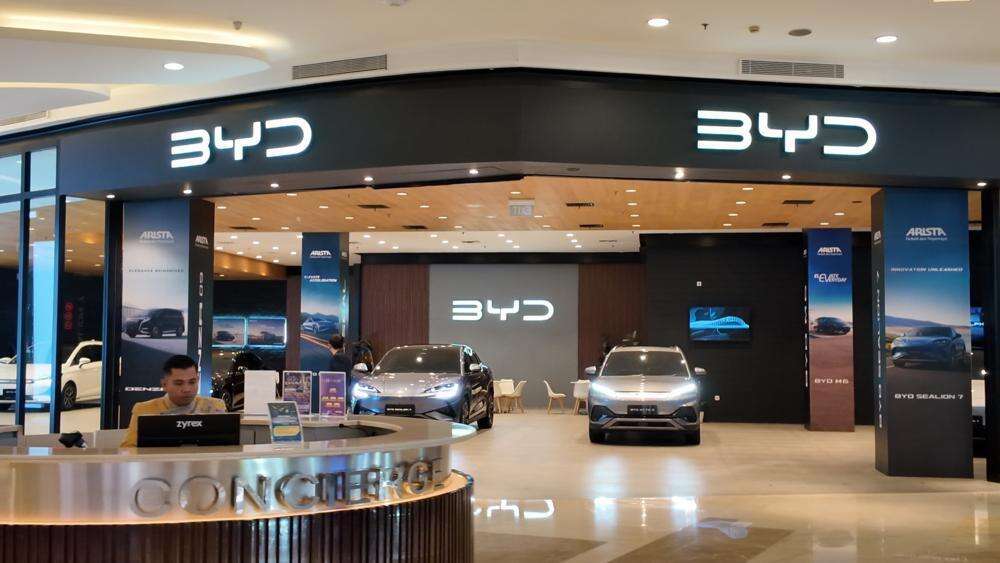
Walking along the streets of Jakarta, it's easy to spot Chinese car brands. In 2024, Indonesia's electric vehicle sales surged 150 percent year-on-year, reaching approximately 43,000 units, with Chinese brands dominating the market.
GAC Group's overseas initiative involves bringing the entire production chain to Indonesia. The company has taken a comprehensive approach, exporting not just vehicles but also parts suppliers, batteries, energy, and commercial services—thus establishing a complete EV industrial ecosystem abroad.
In terms of operations, GAC has opted to find local partners in Indonesia, joining forces to open up new markets. Through joint-venture models, both parties can leverage their strengths and rapidly expand their market presence.
Source:PEARL
Editor: Lyu Yun
 打开广州日报新花城,享受流畅体验