In 2024, China's cultural landscape experienced a vibrant surge of achievements, celebrating milestones in heritage, arts and innovation. From the Beijing Central Axis being inscribed on the UNESCO World Heritage List to the global praise of Black Myth: Wukong, the year showcased the nation's dynamic blend of tradition and modernity.
Cultural festivities, groundbreaking archaeological discoveries and creative endeavors have not only resonated within China but also captivated audiences worldwide, underscoring the profound influence of Chinese culture on a global stage.
Let's take a look back at some of the year's major cultural highlights as we embrace the New Year!
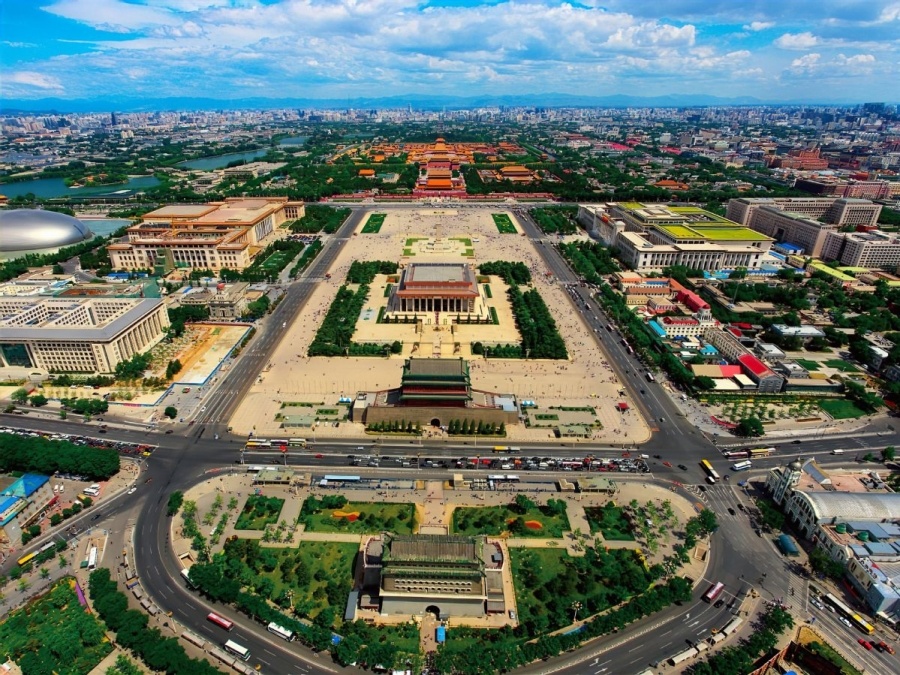
Aerial view of the Beijing Central Axis. [Photo provided to chinadaily.com.cn by Beijing Municipal Office for Conservation and Management of Beijing Central Axis]
1. Beijing Central Axis listed as a World Heritage Site
"Beijing Central Axis: A Building Ensemble Exhibiting the Ideal Order of the Chinese Capital" was inscribed on the UNESCO World Heritage List on July 27, becoming China's 59th World Heritage Site.
With its roots dating back to the paradigm of ideal capital planning in traditional Chinese culture, the Beijing Central Axis shows an ensemble of building complexes and archaeological sites that governs the overall layout of Beijing's old city.
Stretching 7.8 kilometers north-south through the heart of Beijing, the inscribed property comprises 15 components, with the Bell and Drum Towers at its northern end and Yongdingmen Gate at the southern end.
The complex encompasses imperial palaces and gardens, imperial sacrificial buildings, ancient city management facilities, national ceremonial and public buildings, and the remains of central axis roads.
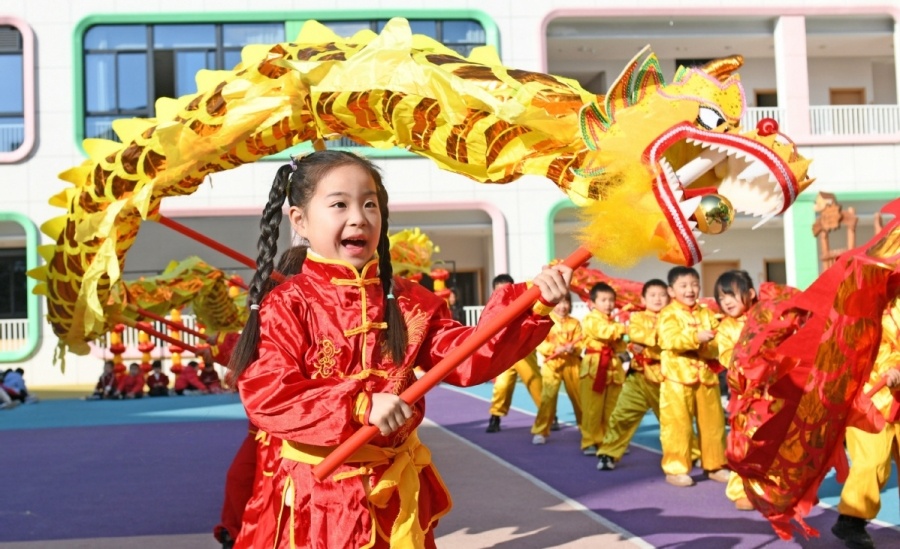
Children perform a dragon dance at a kindergarten in Xianju county, Zhejiang province, on Jan 18 to welcome Spring Festival. [Photo/Xinhua]
2. Spring Festival added to UNESCO Heritage List
Spring Festival, social practices of the Chinese people in celebration of traditional New Year, was inscribed on UNESCO's Representative List of the Intangible Cultural Heritage of Humanity on Dec 4.
Spring Festival, which marks the beginning of Chinese New Year, witnesses practices including wishing for good fortune, organizing family reunions and promoting social harmony. Such celebrations are known as guonian, or crossing the year.
The inclusion of this ancient heritage will actively promote dialogue and mutual respect among cultures, contributing more Chinese elements to the diversity of world cultures.
Spring Festival carries the common aspirations of the Chinese people, fosters their cultural creativity and provides a driving force for a better life.
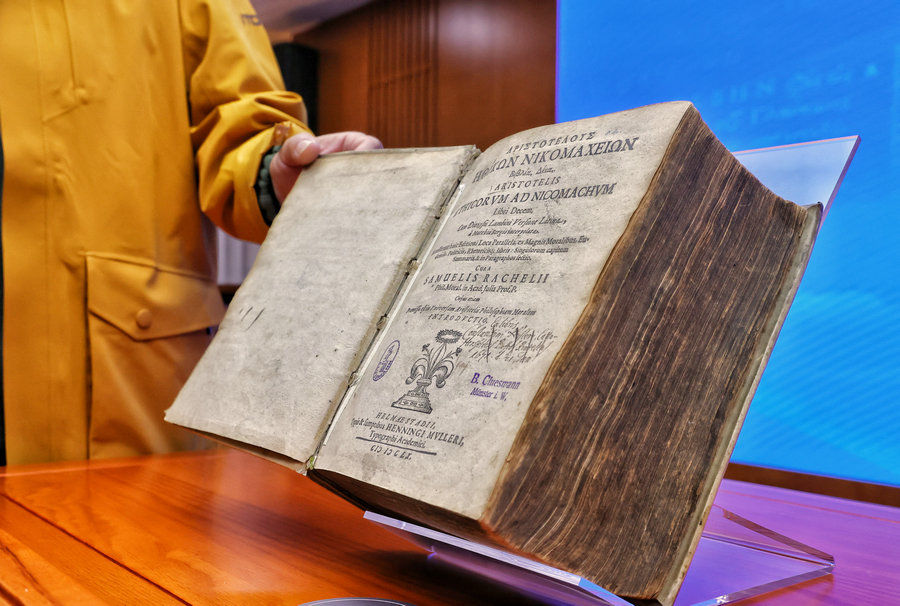
Panagiotis C. Laskaridis, chairman of the Aikaterini Laskaridis Foundation, presents two Aristotelian classics, both printed in the 17th century, to the Chinese Academy of Social Sciences during a book donation ceremony, as a gesture of support for the first World Conference of Classics. [Photo by Jiang Dong/China Daily]
3. First World Conference of Classics held in Beijing
The inaugural World Conference of Classics, jointly launched by China and Greece, themed "Classical Civilizations and the Modern World" was held in Beijing from Nov 6 to 8. It attracted more than 600 scholars and delegates from over 30 countries and regions, including the United States, the United Kingdom and Japan.
The conference called for upholding the spirit of mutual learning between different civilizations and better usage of ancient wisdom to enlighten contemporary societies.
Eight parallel forums which took place during the meeting, focused on topics such as the translation and interpretation of classics, classical wisdom and the age of digital intelligence, and classics and the future of humanity.
The conference was co-organized by the Chinese Academy of Social Sciences, the Ministry of Education and the Ministry of Culture and Tourism, as well as the Ministry of Culture of Greece and the Academy of Athens.
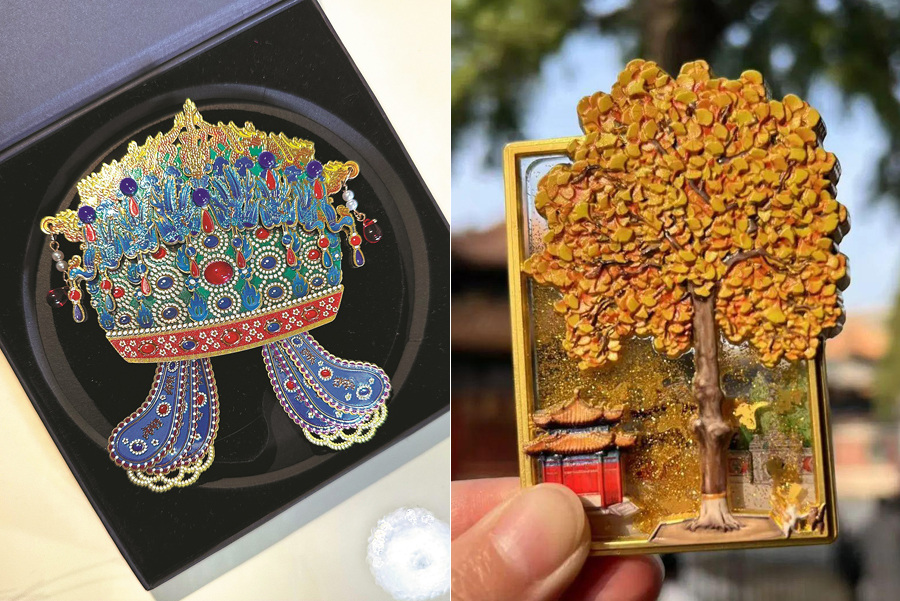
From left: "Phoenix Crown Magnet" from the National Museum of China [Photo by Zhou Jiayi/For China Daily]; "Qianlong Imperial Pavilion Sand and Leaf Magnet" from the Beijing Art Museum [Photo/bjartmuseum.com]
4. Museum cultural ice magnets gain popularity
In recent years, there has been a surge in enthusiasm for museums, sparking a trend in cultural and creative products that resonate with young audiences—particularly fridge magnets inspired by authentic museum artifacts.
Notably, these museum-inspired refrigerator magnets have captured the imagination of many, emerging as a sought-after category in the realm of cultural and creative merchandise. Take, for instance, the "Phoenix Crown Magnet" fashioned by the National Museum of China, has swiftly become a sensation among youths.Within three months, more than 530,000 of these magnets have been sold, making it the museum's most sought-after product in nearly two decades.
The crown magnet is designed after a coronet worn by Empress Xiaoduan of the Ming Dynasty (1368-1644). This exquisitely crafted coronet is adorned with over 500 rubies and sapphires and more than a thousand pearls. The magnets come in both wood and metal styles, and are delicately crafted to reflect the coronet's original design.
In addition, the "Heavenly Palace Caisson Magnet" from the Beijing Ancient Architecture Museum, and the "Qianlong Imperial Pavilion Sand and Leaf Magnet" from the Beijing Art Museum have also captured the hearts of enthusiasts.
The craze for cultural refrigerator magnets reflects people's desire to capture moments during their travels, serving as cherished memories and expressions of their love for culture.
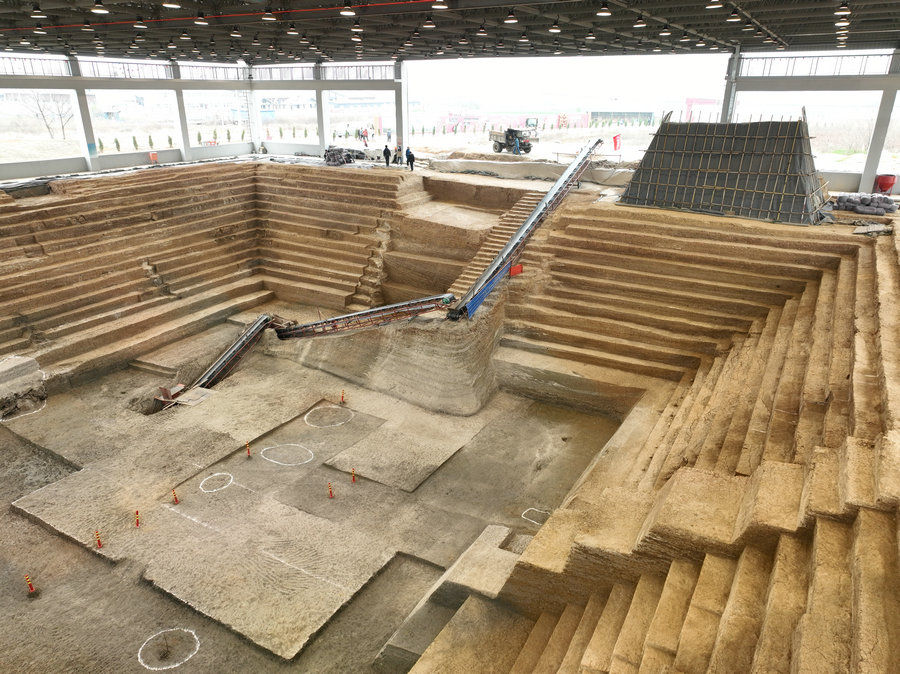
No 1 tomb of Wuwangdun tomb in Huainan, Anhui province. [Photo provided to China Daily]
5. China unveils highest-level Chu state tomb ever excavated
The archaeological rescue project at the Wuwangdun tomb in Huainan, Anhui province, initiated in 2020, has yielded exciting findings in the past year.
The National Cultural Heritage Administration announced in April of 2024 that the Wuwangdun tomb is the largest in scale, highest in rank and most structurally complex Chu state tomb ever excavated through scientific measures to date.
A large bronze ding (an ancient cauldron) and more than 3,000 exquisite artifacts, including sets of bronze vessels, lacquerware, musical instruments, wooden figurines and a great number of animal and plant remains have been discovered.
As a Chu state tomb dating back to the late of Warring States Period (475-221 BC), the site has an independent cemetery surrounded by a moat, covering an area of about 1.5 square kilometers. Inside the cemetery there are chariot and sacrifice pits and tombs accompanying the largest No 1 tomb, believed to be for the owner of the cemetery.
Source: China Daily
Editor: Lyu Yun
 打开广州日报新花城,享受流畅体验