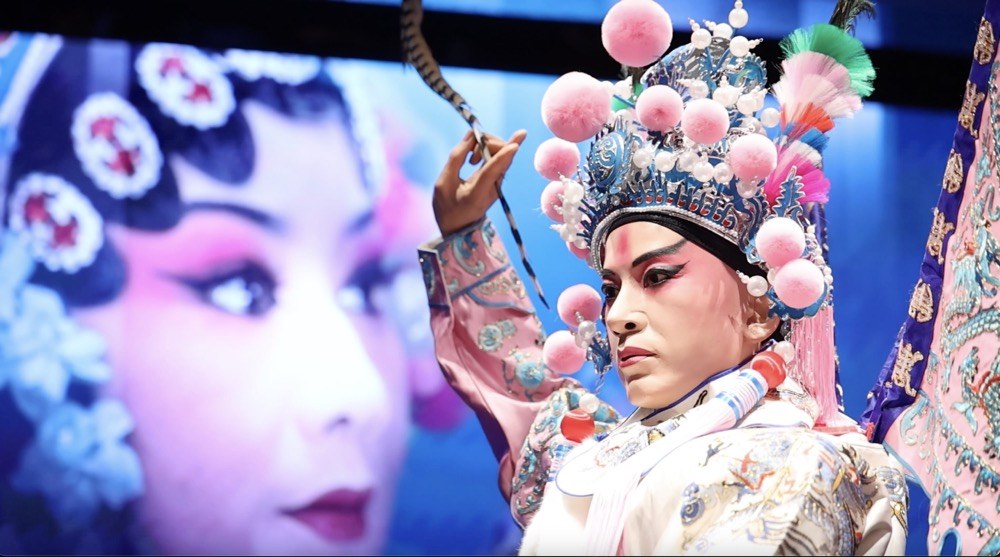
A wax figure of a "sheng" role, representing the primary male role.
Qinqiang Opera, one of the oldest forms of Chinese opera, originates from northwest China's Shaanxi Province and dates back to the Western Zhou Dynasty (1046 - 771 BC).
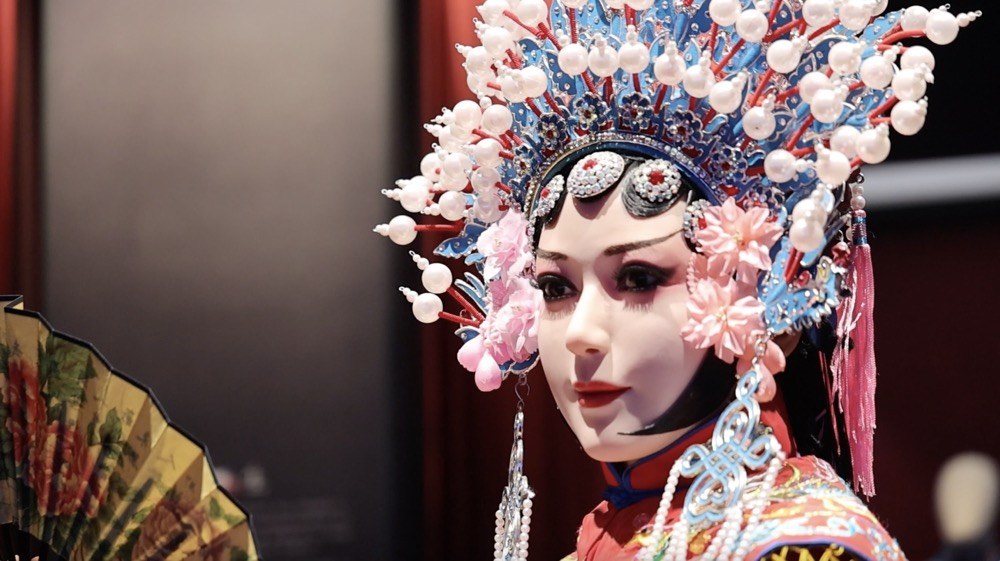
A wax figure of a "dan" role, representing female roles, including "qingyi" (graceful and dignified) and "huadan" (lively and witty).
Known for its bold, high-pitched singing and dramatic expressions, Qinqiang is deeply rooted in the folk traditions of northwest China.
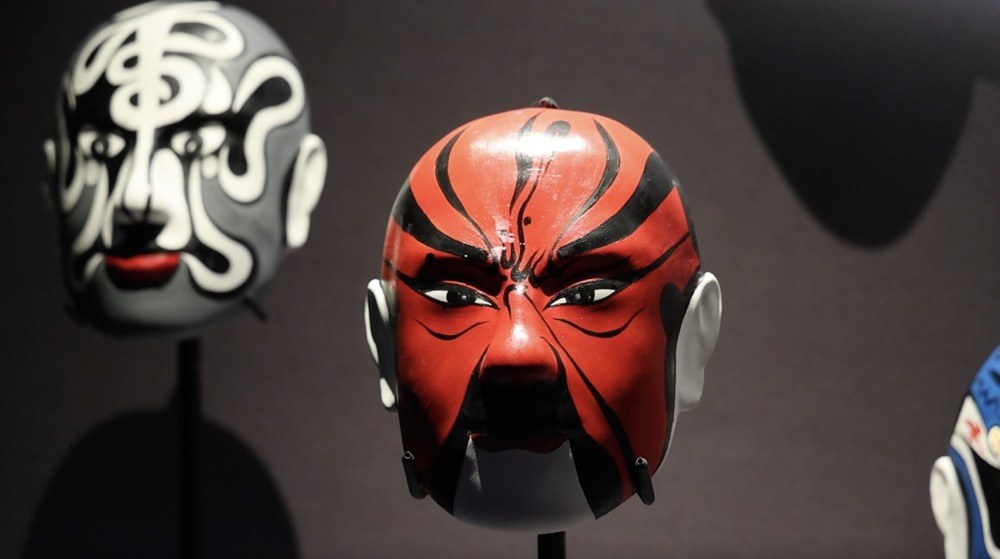
The "lianpu" (facial mask) of Guanyu, a legendary general during the late Eastern Han Dynasty (25–220 AD) and one of the most revered figures in Chinese history, known for his loyalty, bravery and righteousness.
The performers use powerful vocal techniques to convey intense emotions, often accompanied by the banhu (a two-stringed instrument) and other musical instruments like drums and gongs.
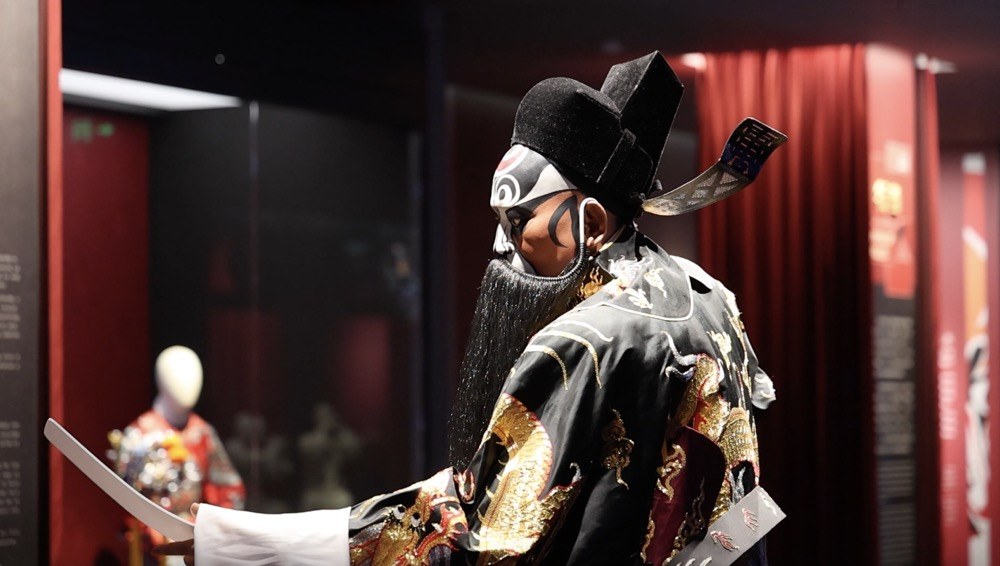
A wax figure of a "jing" role, featuring bold and dramatic male characters with distinctive facial makeup – "lianpu."
The opera's themes usually center around loyalty, morality, justice and resistance against oppression, reflecting the straightforward and resilient character of people in the region.
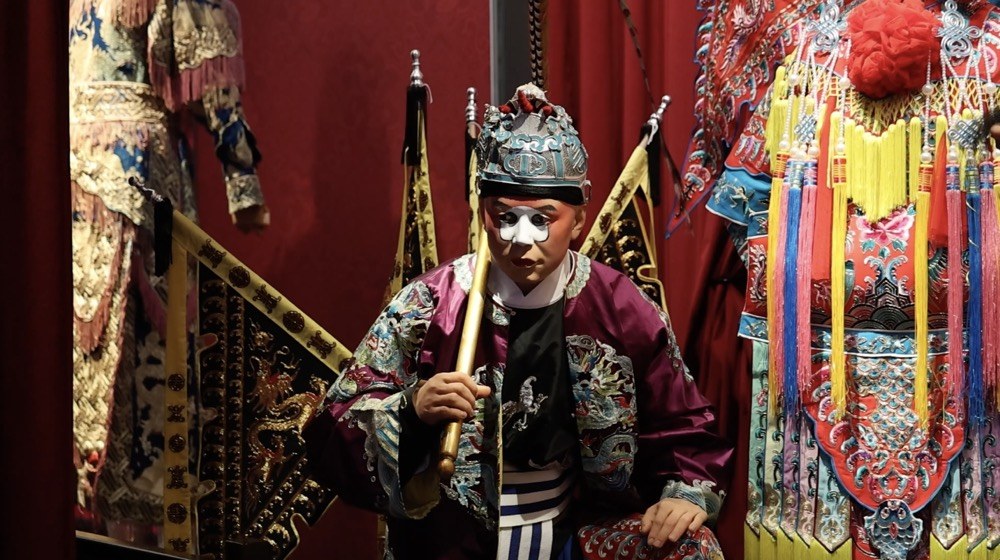
A wax figure of a "chou" role, the comic relief character, playing the role of mischievous servants or clever strategists.
Its colorful costumes, distinct facial makeup and exaggerated body movements make it visually striking and culturally significant.
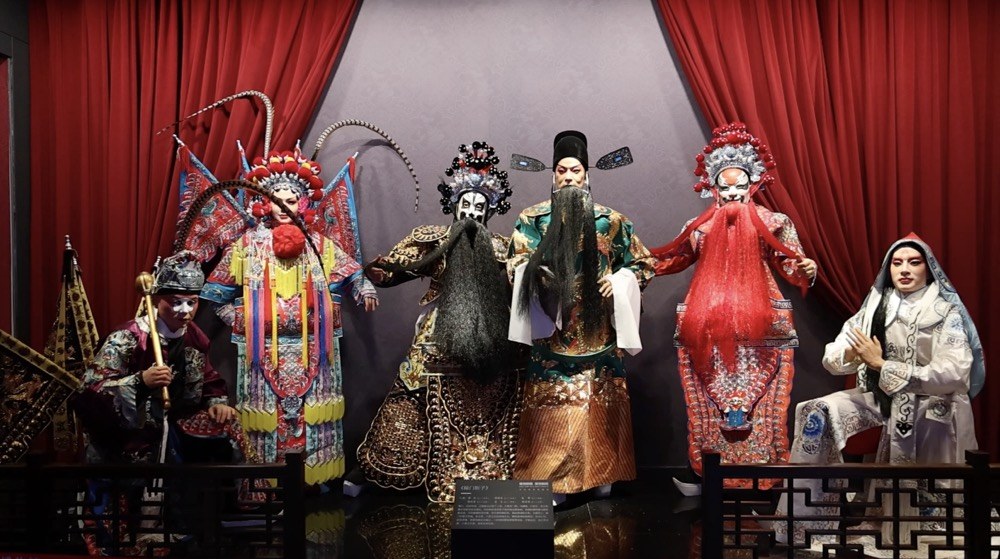
A picture of wax figures of the famous characters in Qinqiang Opera with the four roles of "sheng," "dan," "jing" and "chou."
China listed it as one of the first national intangible cultural heritage items in 2006.
Source: CGTN
Editor: Lyu Yun
 打开广州日报新花城,享受流畅体验