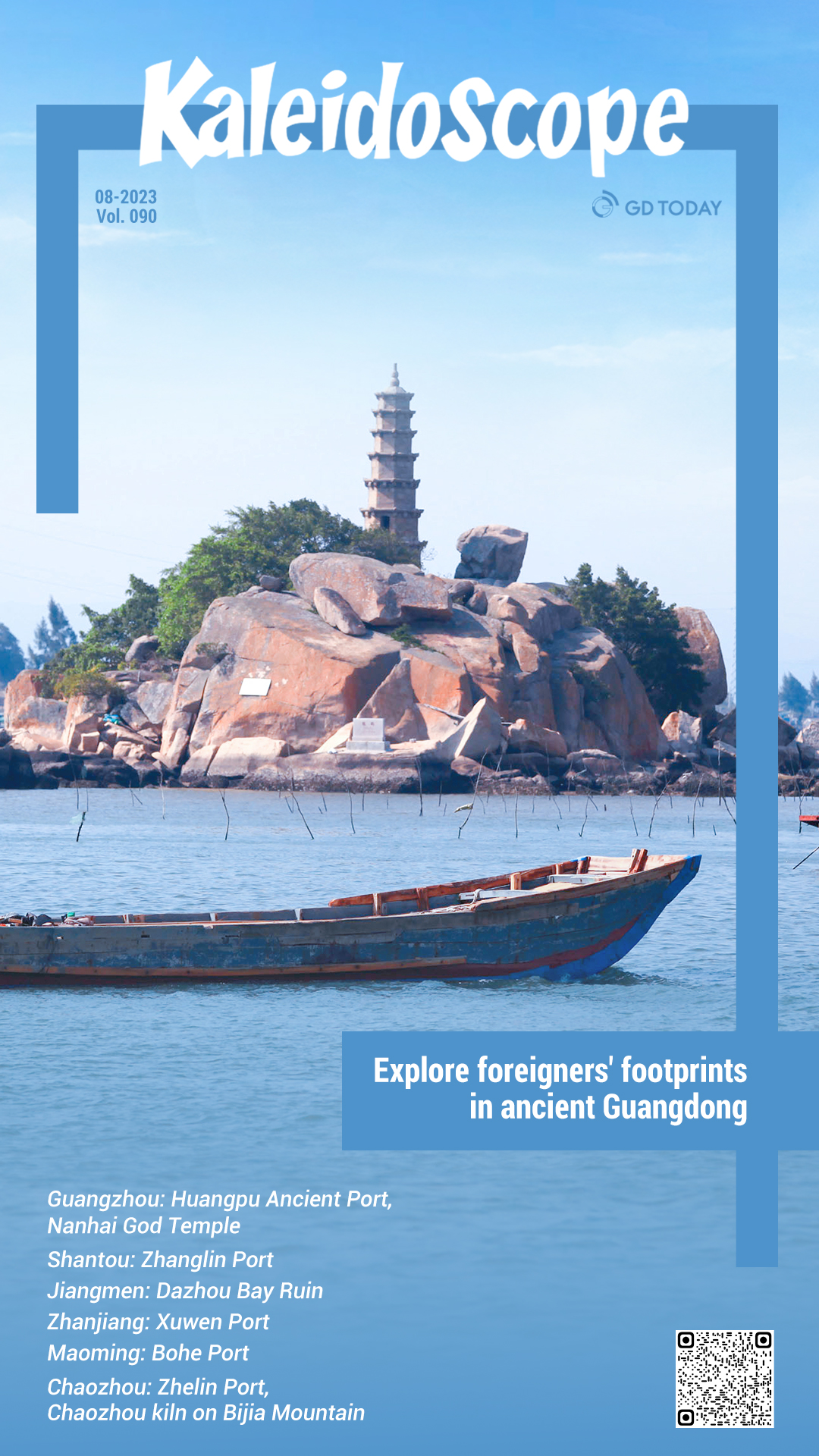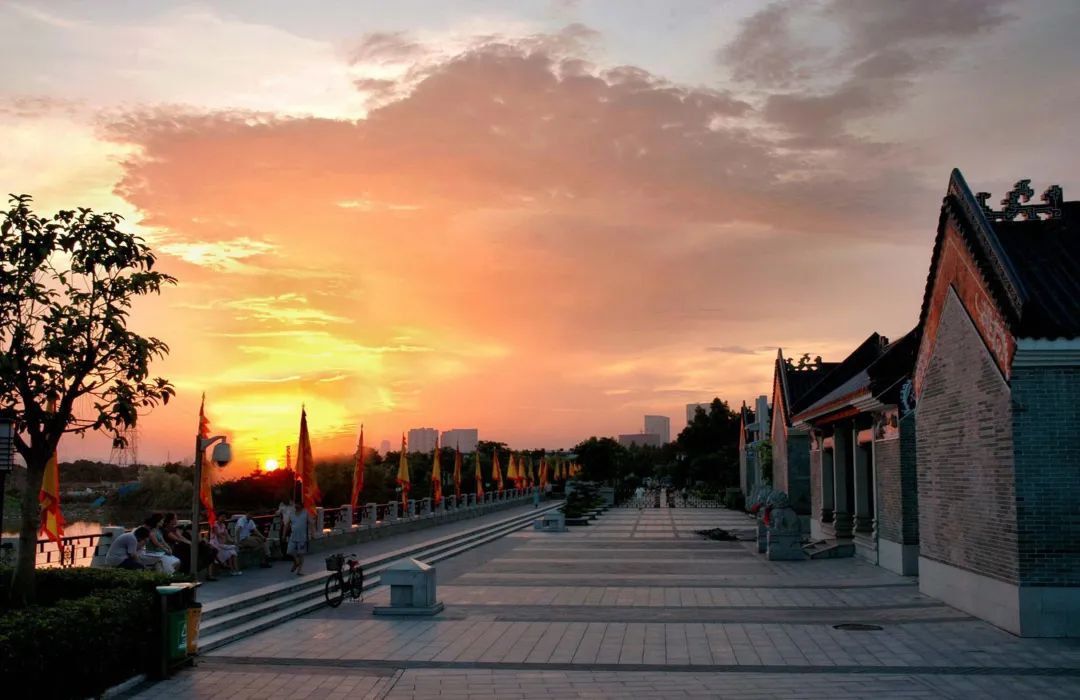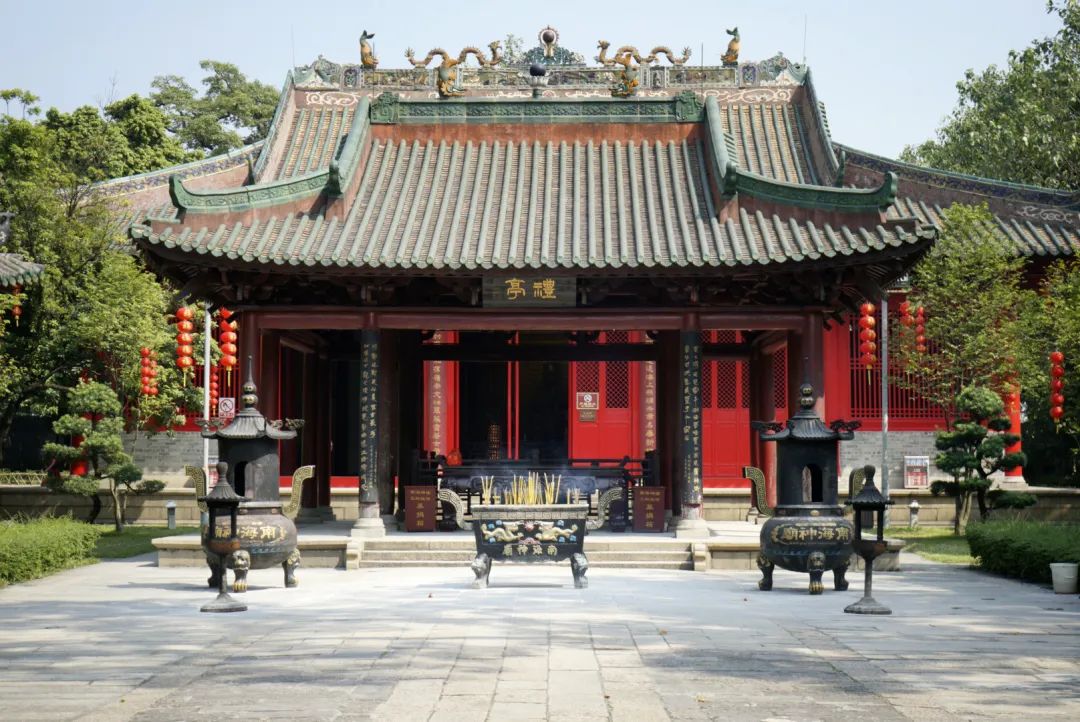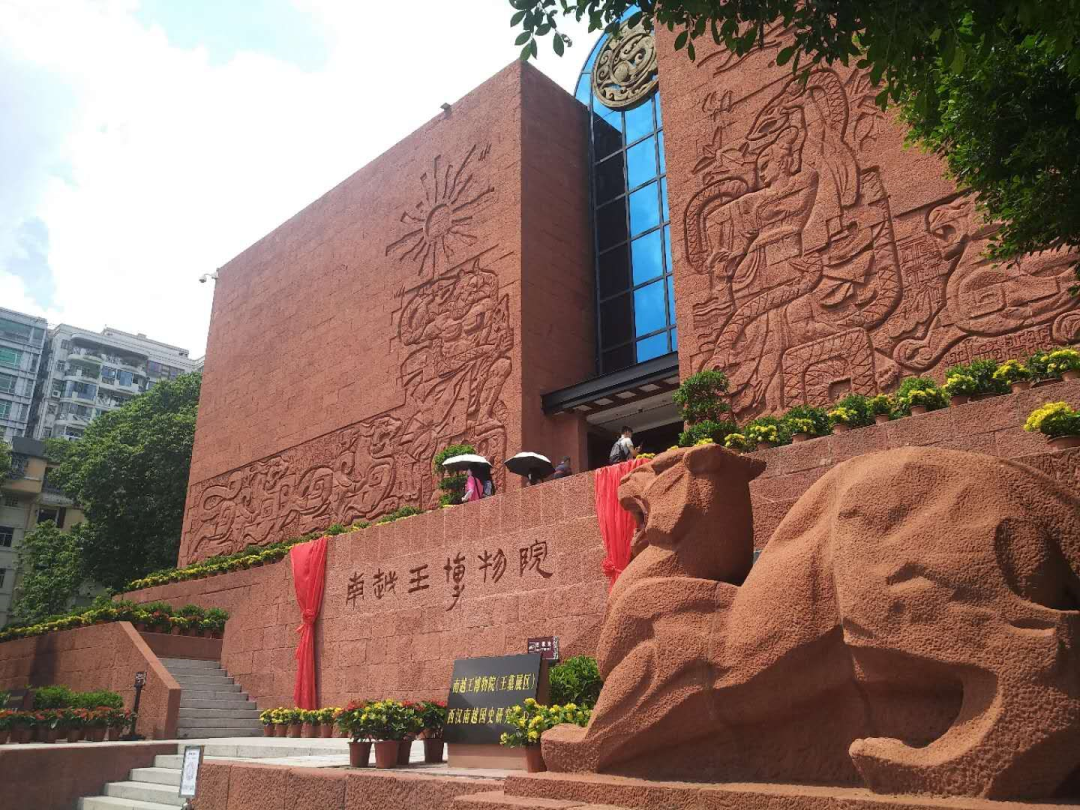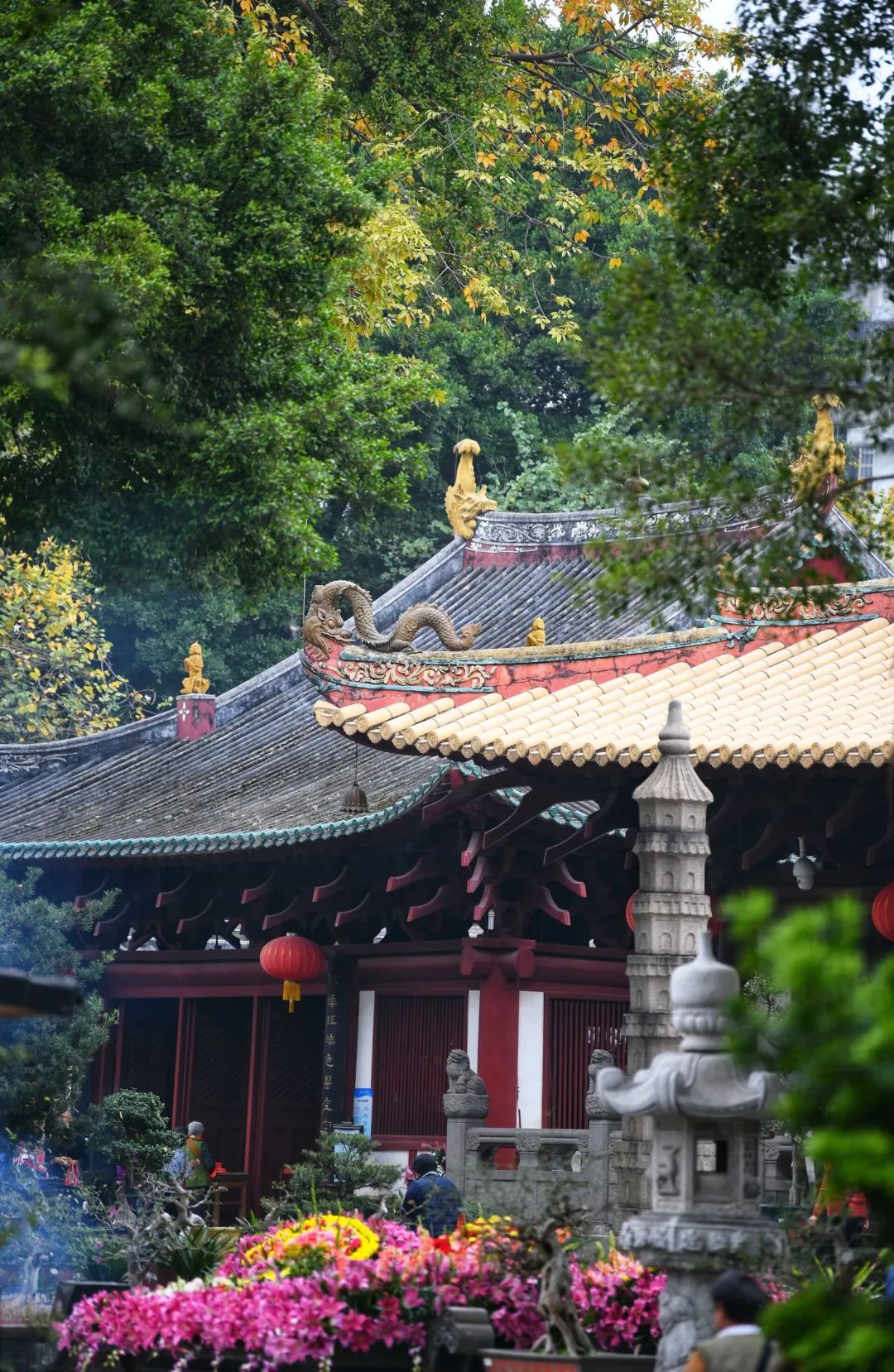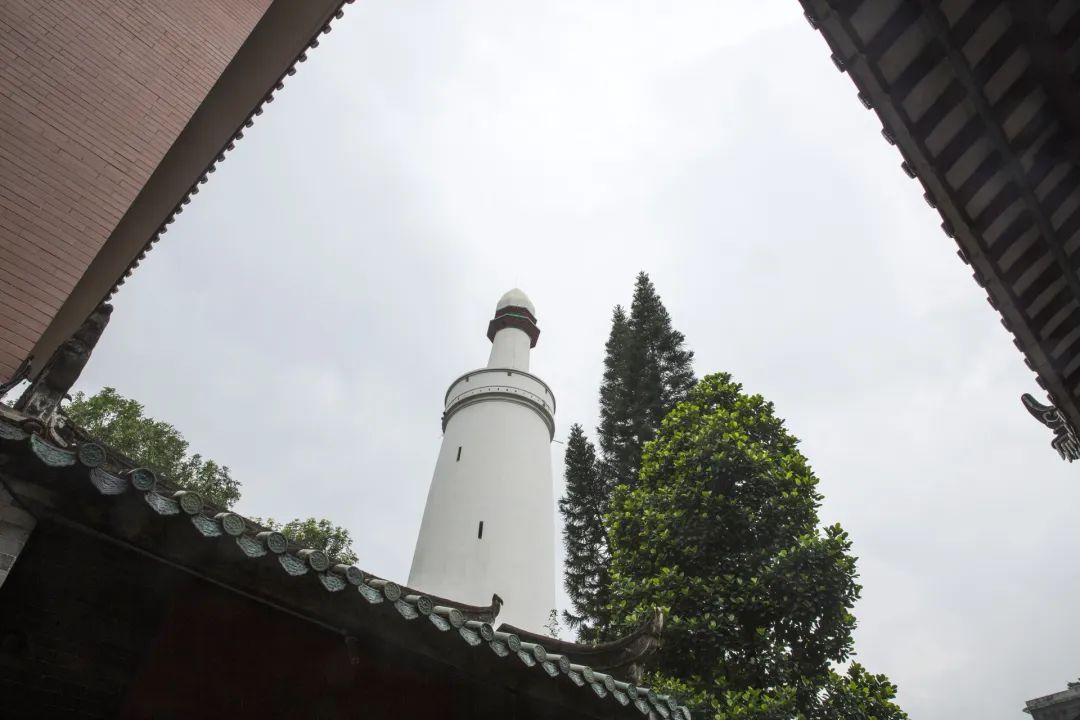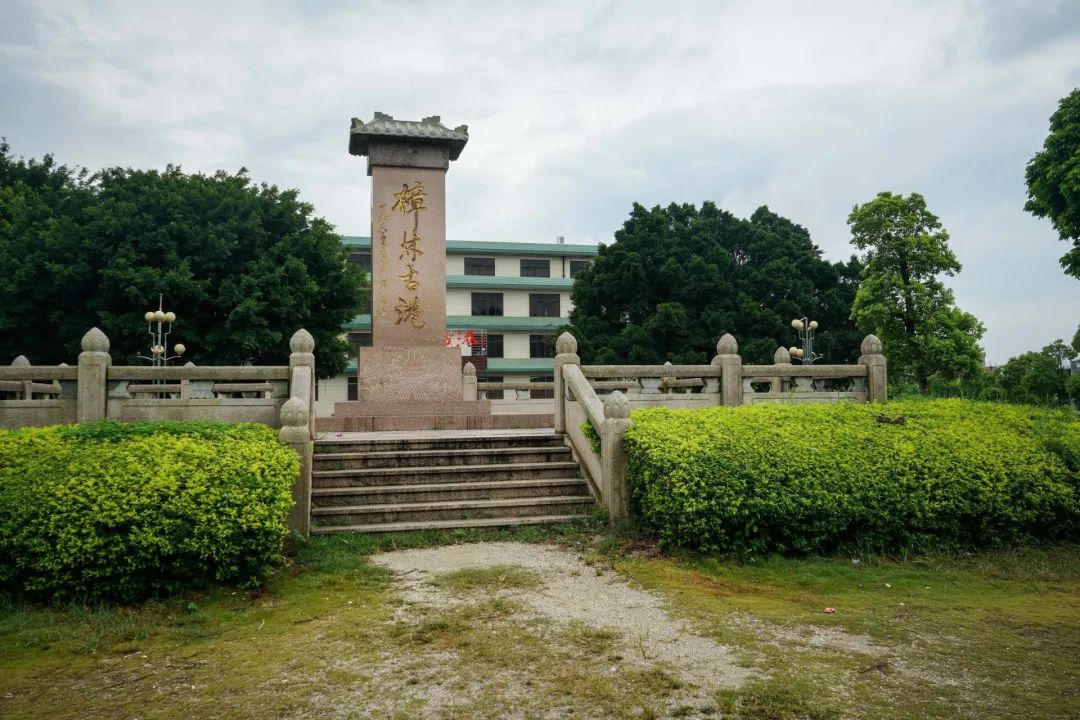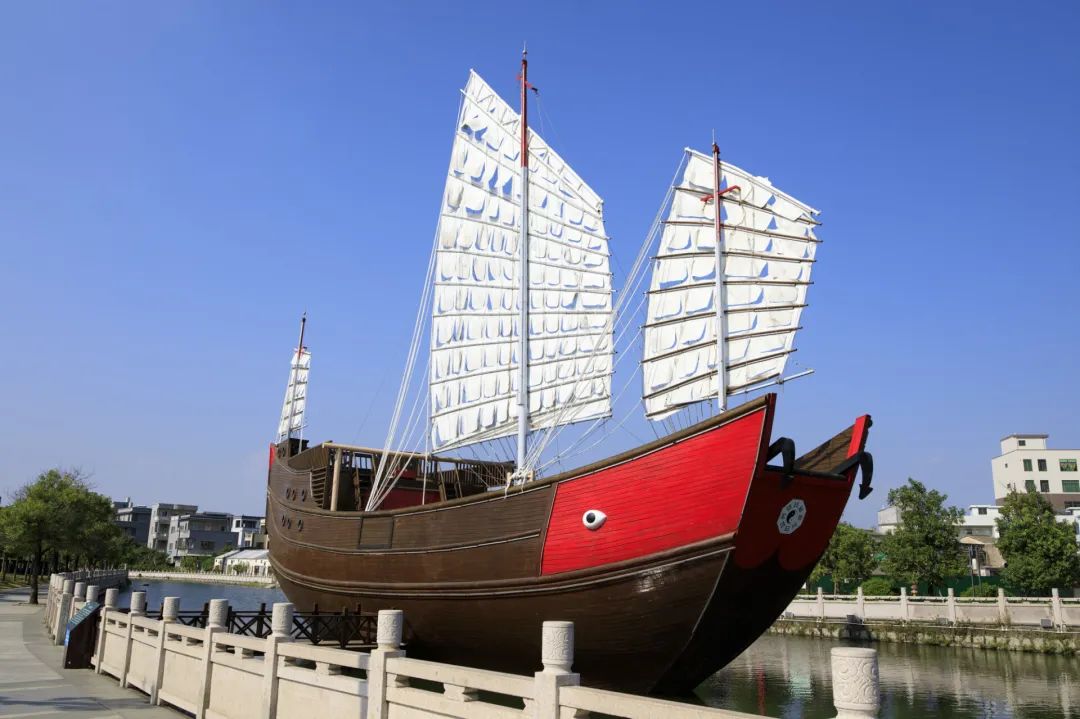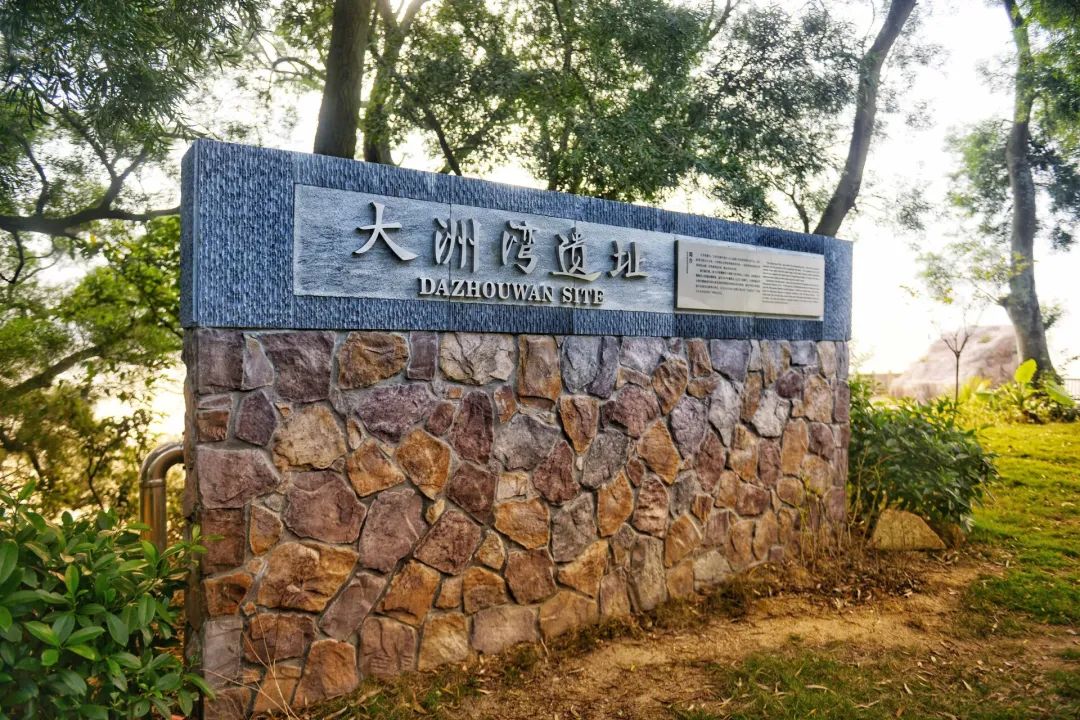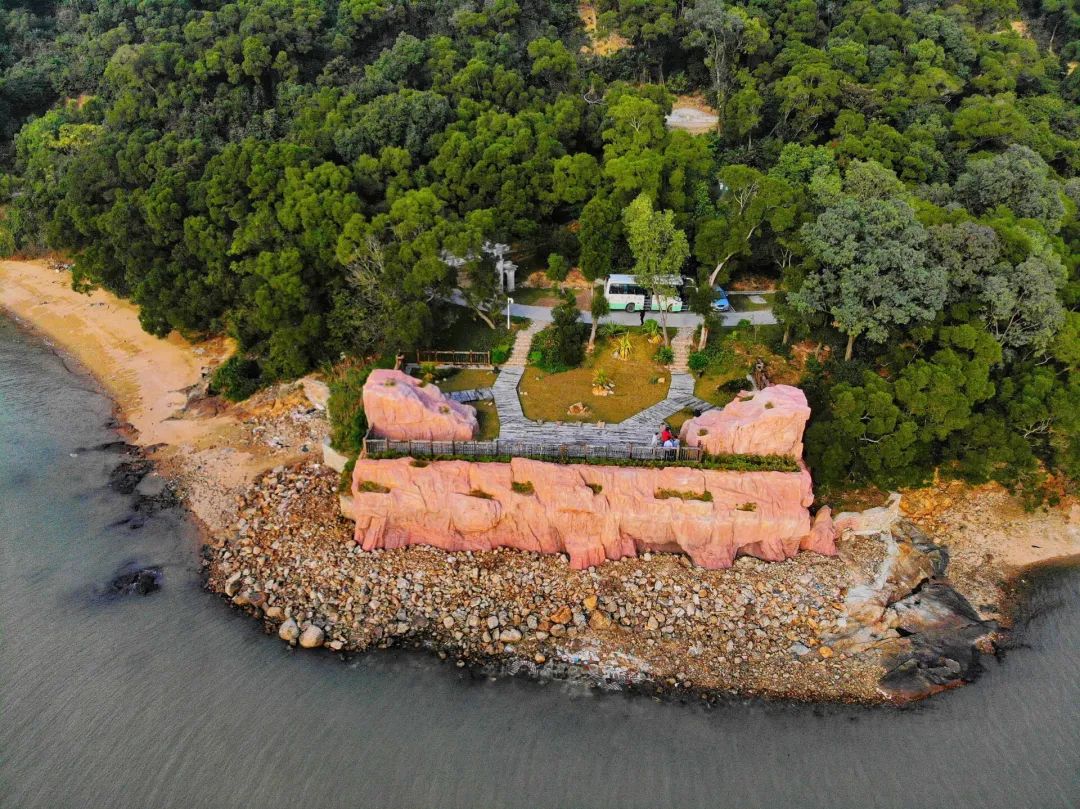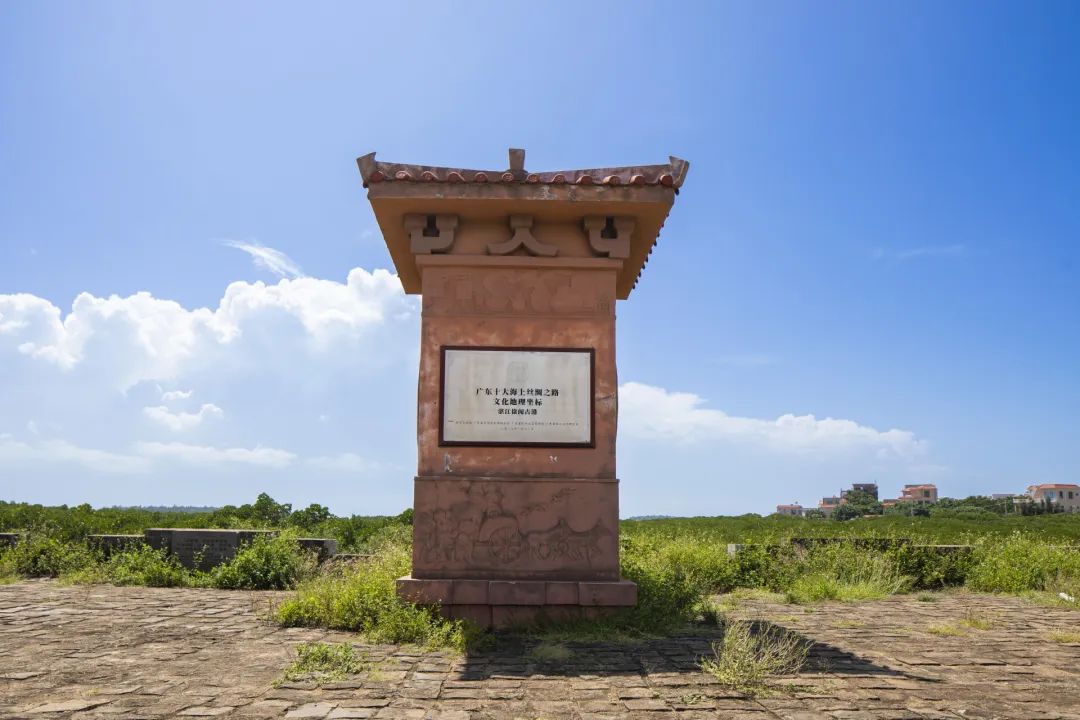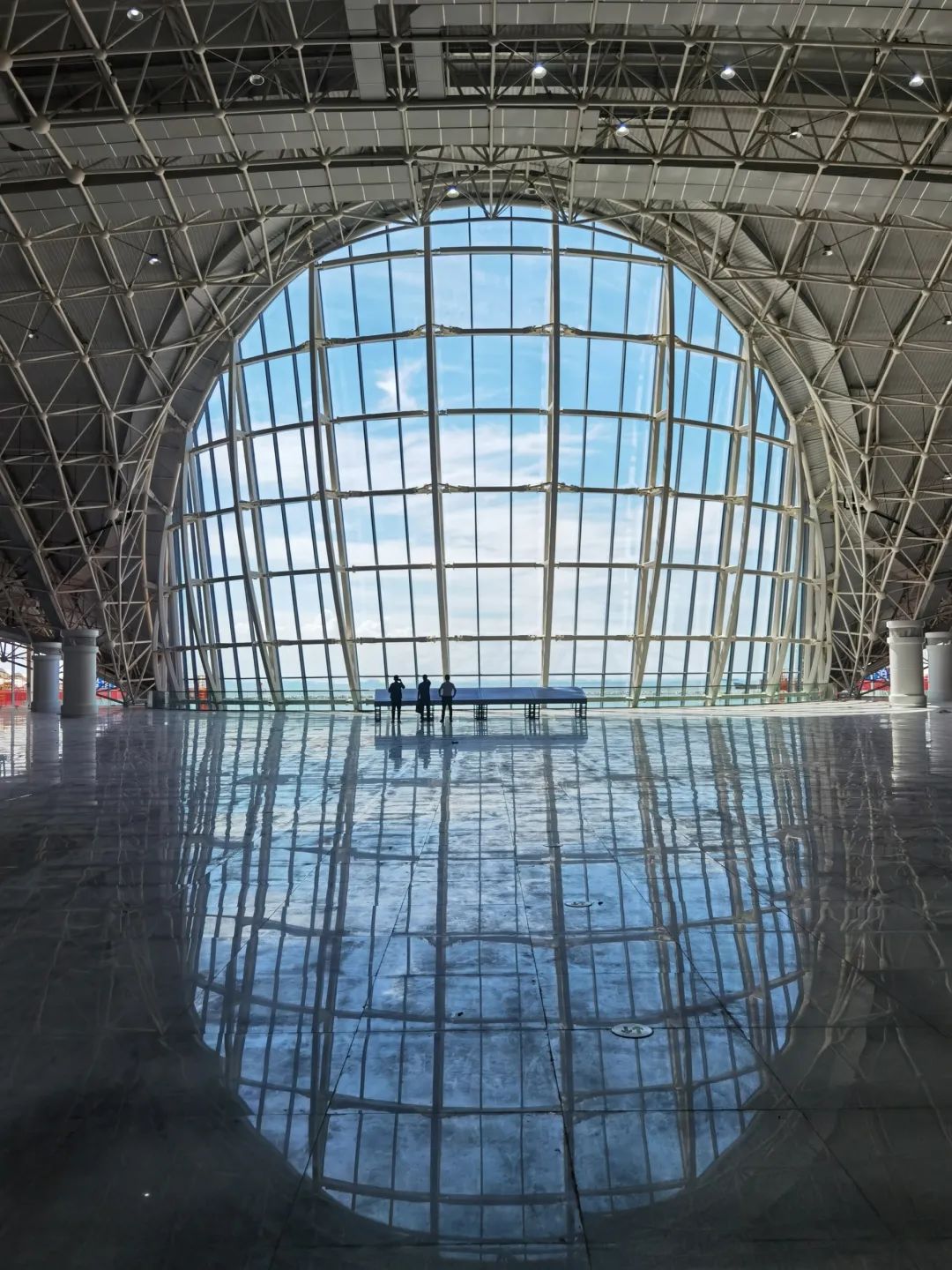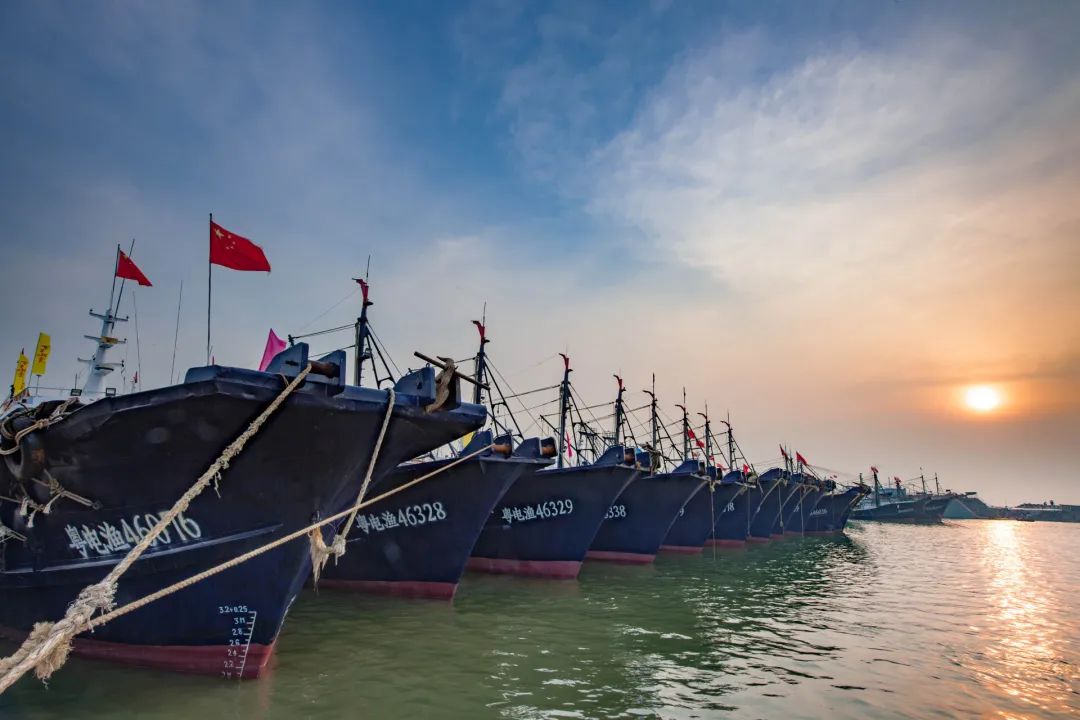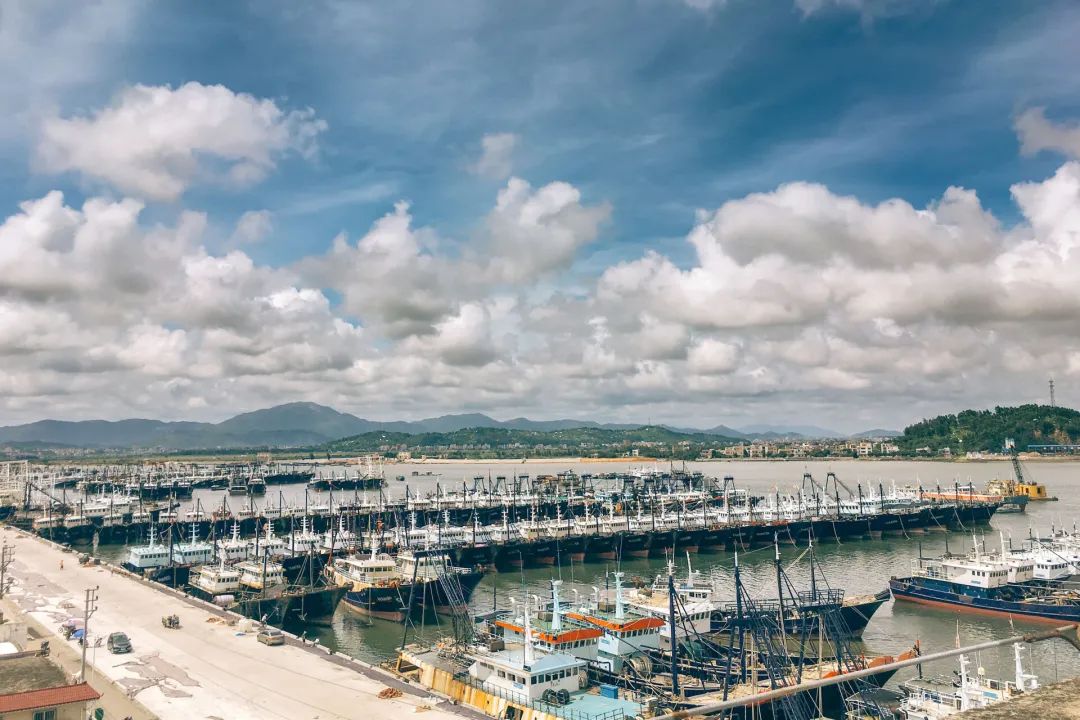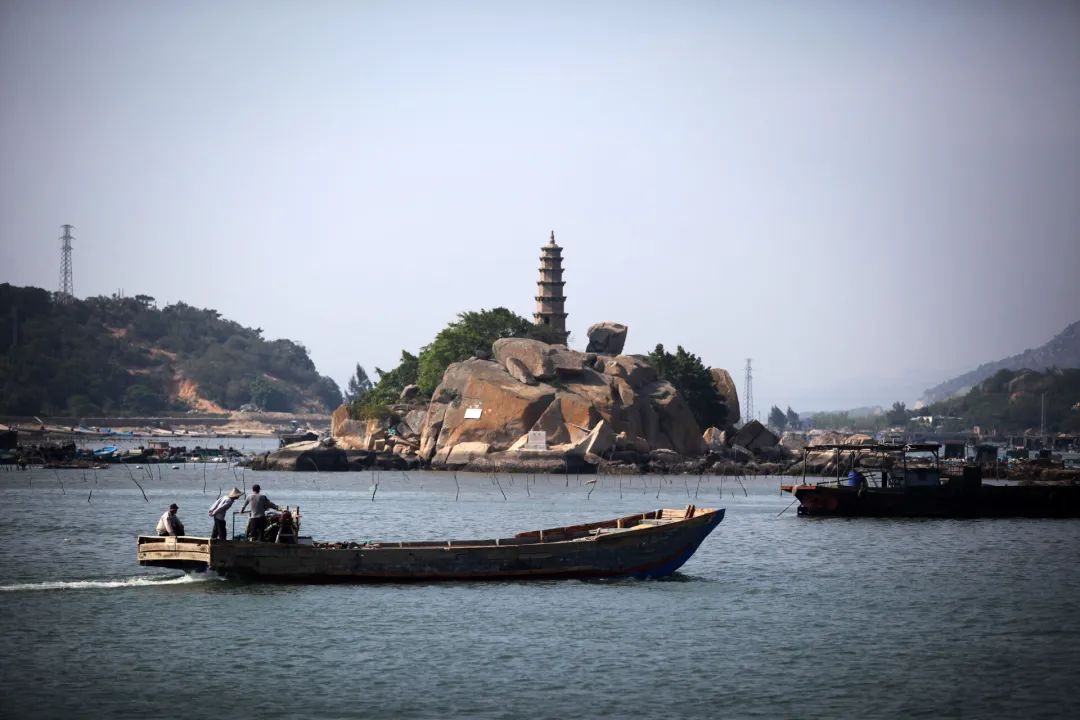
The year 2023 marks the 10th anniversary of the China-proposed 21st Century Maritime Silk Road (MSR). Dubbed "the southern gate" of China's foreign trade, Guangdong has numerous crucial ports along the ancient MSR and boasts the profound culture and heritage of the crucial MSR. Where did foreigners visit in ancient Guangdong via the Maritime Silk Road? How was the trade between the province and the rest of the world at that time? Read on to find out! Guangzhou During the Tang Dynasty (618-907 AD), Chinese ships set sail from Guangzhou, bound across the South China Sea, thus pioneering the most important routes of the MSR. At present, there are more than 20 MSR sites preserved in various parts of Guangzhou. Located in Huangpu Village, Haizhu District, Guangzhou, Huangpu Ancient Port was an important port on the MSR during the Southern Song Dynasty. During the period from mid-1700 to mid-1800, thousands of foreign ships docked here for international trade. The Port was rebuilt after the visit of the antique merchant ship Gothenburg in 2006. Meanwhile, with ancient buildings and local snacks, the village has attracted many tourists. (Photo: Nanfang Daily) Nanhai God Temple is located at the marine outfall of the Pearl River, where ships from around the world on their way to or leaving Guangzhou would stop to offer sacrifices to the sea god, praying for a safe voyage. (Photo: Nanfang Daily) The Archaeological Site of the Nanyue Kingdom Palace and the Tomb of the Nanyue King in the Western Han Dynasty are archaeological remains with elements of overseas culture. Their unearthed silver box, African ivory, and frankincense from the Red Sea are the early inbound goods found in China. The King's Tomb Exhibition Area of Nanyue King Museum (Photo: Nanfang Daily) Guangxiao Temple is a demonstration of Buddhist culture landing and spreading in Guangzhou by sea. (Photo: Nanfang Daily) Moreover, the Huaisheng Mosque was the oldest existing mosque in China. (Photo: Nanfang Daily) Shantou The ancient Zhanglin Port located in Dongli Town, Chenghai District, Shantou, was once the most flourishing Port in eastern Guangdong during the Qing Dynasty, appearing on a map published in Britain in 1875. In 1722, Chinese merchants began to trade rice with Thailand, and Zhanglin village's ocean-going voyages also developed. Its routes led to Thailand, Indonesia, Malaysia, and other countries in the south. Many locals left Zhanglin on red-head junks, a kind of commercial vessel, to make a living in Southeast Asia. (Photo: Nanfang Daily) Nowadays, in Zhanglin village, people can see a row of overseas Chinese houses highlighting the use of light blue house beams, doors and window shades, which was once widely applied in Southeast Asian countries. Around 50 warehouses of the Qing Dynasty near the old Port are still quietly telling tourists some ancient stories. (Photo provided to GDToday) Jiangmen The Shangchuan Island in Jiangmen's Taishan is a necessary place on the MSR. The Dazhou Bay Ruin there originally worked as the site of the porcelain exporting trade between China and Portugal in the Ming Dynasty. The unearthed relics are mainly blue and white porcelain, which used to be exported in trade activities between the two countries at that time. (Photo: Nanfang Daily) In addition, tourists can visit the Guangdong Taishan Maritime Silk Road Museum and see historic sites of the Spanish Catholic missionary and saint Francis Xavier who went to Shangchuan Island, such as a church and cemetery. Zhanjiang Sitting at the southernmost tip of the Chinese mainland, the ancient Xuwen Port in Zhanjiang was one of the starting ports for the ancient Maritime Silk Road more than 2,000 years ago. In the Han Dynasty, exported commodities were mainly gold and silk fabrics, while the imported goods were beads, colored glazes, and other exotic objects. At that time, Xuwen's active foreign trade activities attracted many foreign emissaries and merchants. (Photo provided to GDToday) Today, the site of the ancient Port is a tourist spot featuring the relics of the Han Dynasty, a mangrove forest, lakes, and a coastal view. Meanwhile, the new Xuwen Port nearby is the world's largest passenger-cargo ro-ro terminal. New Xuwen Port (Photo: Nanfang Daily) Maoming Maoming was once a major stopover port on the ancient Maritime Silk Road during the Qin and Han Dynasties, and has 46 related heritage sites. The Bohe Port in the city's Binhai New Area is an excellent haven for boats. The merchant ships from Quanzhou and Guangzhou to South Asia and Southeast Asia were mostly docked at Bohe Port for material supplies and ship maintenance. (Photo: Nanfang Daily) After years of construction, Bohe Port has become a national central fishing port and one of the three major fishing ports in Guangdong Province. (Photo: Nanfang Daily) Chaozhou Located in Raoping County, Chaozhou City, Zhelin Port is one of the earliest deepwater ports for foreign trade in the Chaoshan area. Many towers, including Gui (Turtle) Tower, She (Snake) Tower and Zhenfeng (wind suppressing) Tower, were built near the Port for the navigation of ships in and out of the Port. (Photo: Nanfang Daily) In the Song Dynasty, the Chaozhou kiln on Bijia Mountain represented the highest level of ceramics in the Lingnan area. One batch after another of porcelain wasmade from this kiln and shipped abroad. In addition, there are historical sites of the ancient Maritime Silk Road in many places in Guangdong, such as the Qishi Kiln and Wentouling Kiln sites in Foshan, the Dongping Kiln and the Baima Kiln sites in Huizhou, and the Nanhai I Shipwreck at the Guangdong Maritime Silk Road Museum in Yangjiang. Source: GDToday Reporter: Holly Editor: Olivia, Steven, Monica, Jerry, Lyu Yun