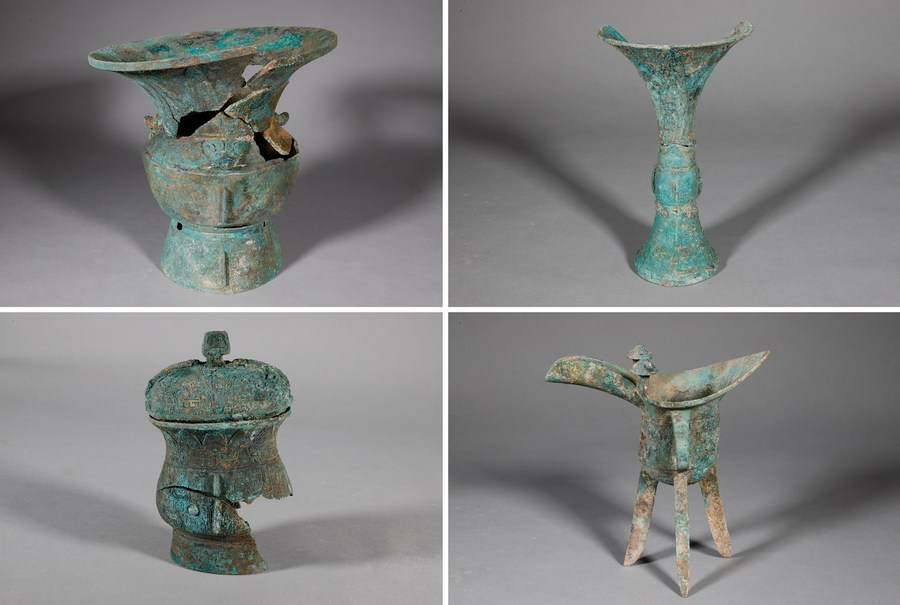
This combo photo shows bronze wares unearthed from the royal tomb area and surrounding relics in the Yin Ruins dating back to the Shang Dynasty (1600-1046 B.C.), in the northwest suburbs of Anyang, central China's Henan Province. (Xinhua/Li He)
The National Cultural Heritage Administration announced its "Top 10 New Archaeological Discoveries of 2022" on March 28. The annual list, first launched in 1990, has been generally hailed as one of the most important honors bestowed on archaeological projects in China.
The top 10 projects of 2022 were chosen from 22 finalists through ballots from the 21-people judge panel, which are composed of the country's top-tier scholars. They were outstanding examples of nearly 1,700 archaeological projects that were conducted nationwide last year.
Here are the new laureates:
1. Xuetangliangzi site, Shiyan, Hubei province, from about 1 million years ago
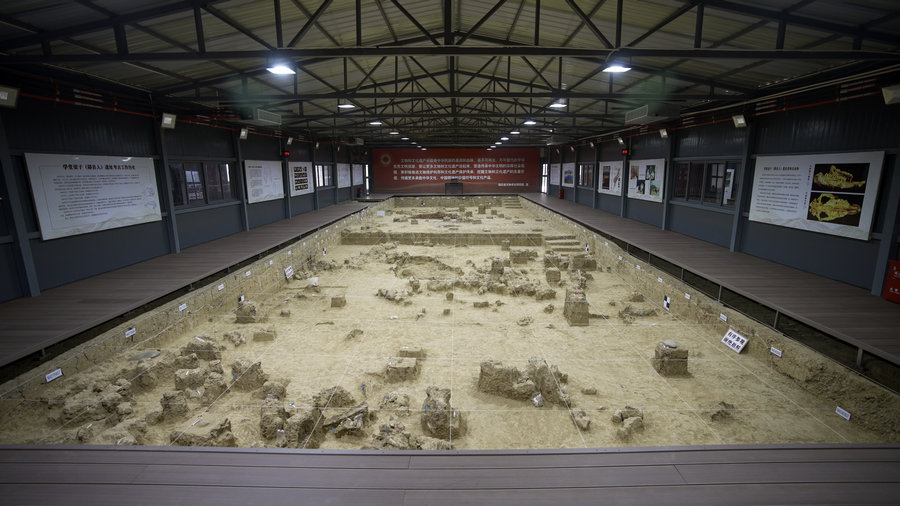
Xuetangliangzi site, Shiyan, Hubei province, from about 1 million years ago. [Photo provided to China Daily]
The excavated archaic human skull from 1 million years ago is the best preserved fossil of its kind ever discovered in the hinterlands of the Eurasian continent and has provided key clues in the studies of human evolution.
2. Zhaojiaxuyao site, Zibo, Shandong province, from 15,000 to 11,000 years ago
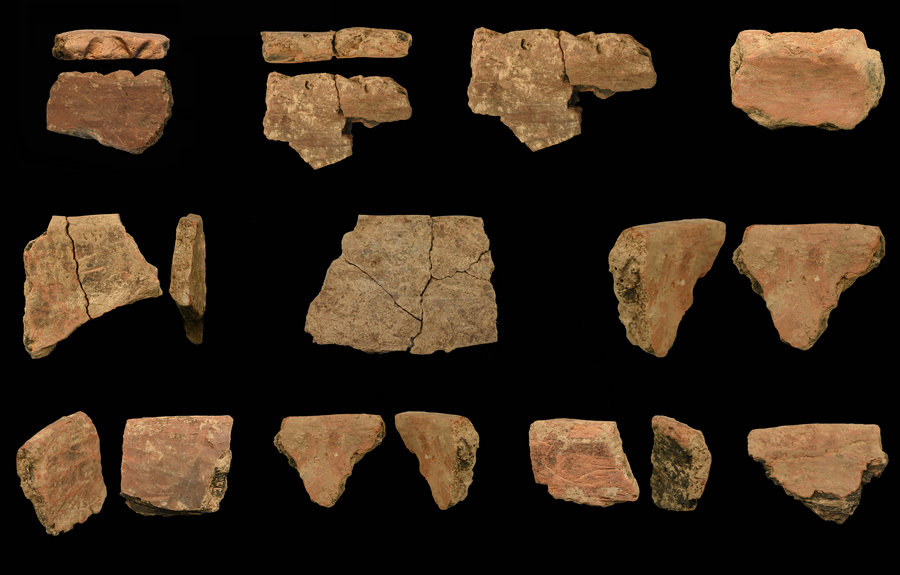
Zhaojiaxuyao site, Zibo, Shandong province, from 15,000 to 11,000 years ago. [Photo provided to China Daily]
The findings offered new perspectives for studies into the origins of agriculture in East Asia.
3. Bicun site, Xingxian county, Shanxi province, from 2200 BC to 1700 BC
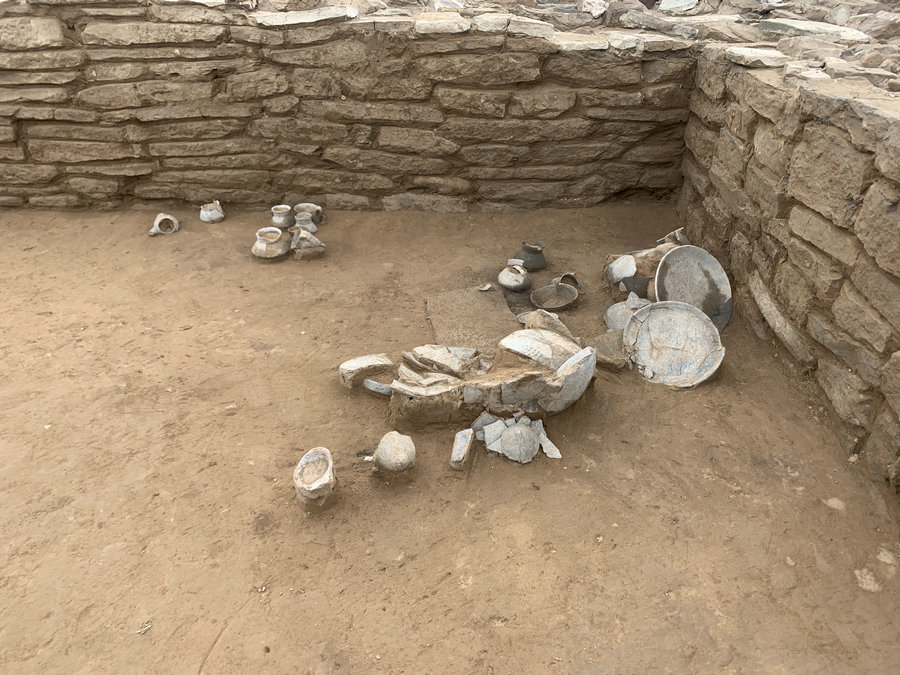
Bicun site, Xingxian county, Shanxi province, from 2200 BC to 1700 BC. [Photo provided to China Daily]
As a regional center of its time, the prehistoric city ruins, with rigid structure, demonstrated characteristics of military fortification and offered crucial clues on the mixing of various cultures.
4. The crisscrossing road network of Erlitou site, Luoyang, Henan province, from 18th to 16th century BC
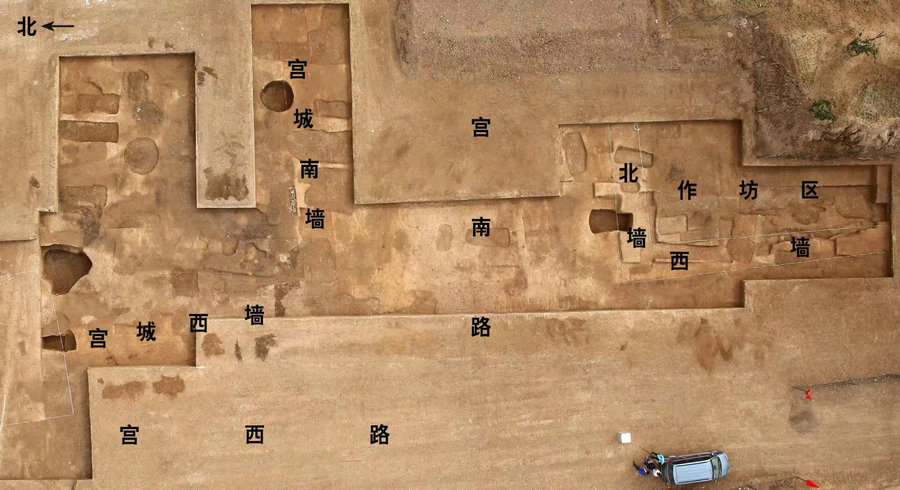
The crisscrossing road network of Erlitou site, Luoyang, Henan province, from 18th to 16th century BC. [Photo provided to China Daily]
The rigidly-designed urban layout of the capital city laid crucial foundations for national systems and civilizations in later periods.
5. The royal mausoleum site of Yinxu Ruins, Anyang, Henan province, from the late period of the Shang Dynasty (c.16th to 11th century BC)
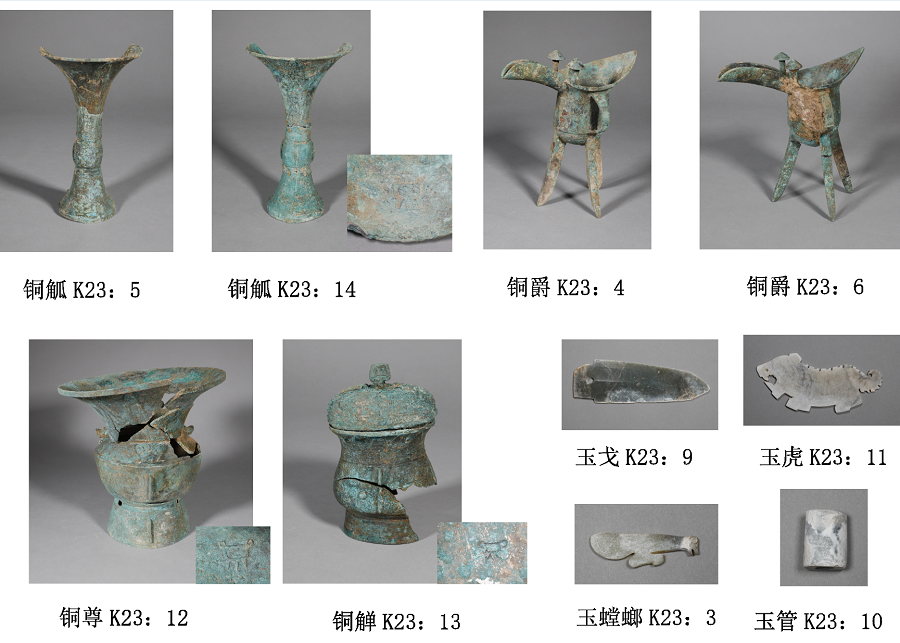
The royal mausoleum site of Yinxu Ruins, Anyang, Henan province, from the late period of the Shang Dynasty (c.16th to 11th century BC). [Photo provided to China Daily]
The new findings on the Yinxu site changed previous understandings on the layout of the royal mausoleum and the grand picture of Shang history.
6. Xitou site, Xunyi county, Shaanxi province, from Western Zhou Dynasty (c.11th century to 771 BC)
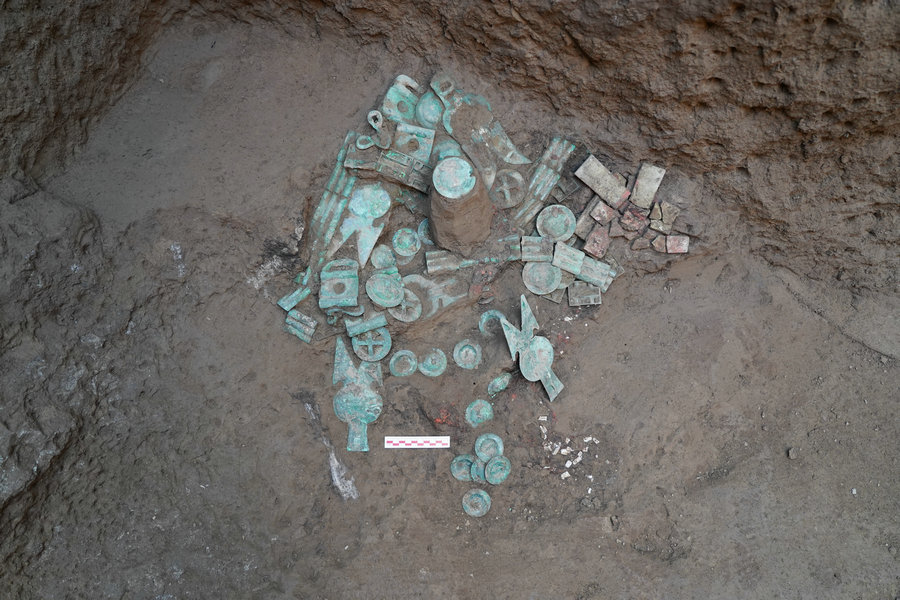
Xitou site, Xunyi county, Shaanxi province, from Western Zhou Dynasty (c.11th century to 771 BC). [Photo provided to China Daily]
Newly discovered city ruins, a copper melting site and graveyards provided key references to help decode the origins and early-stage development of Zhou civilization.
7. The grave complex of Dasongshan site, Gui'an New Area, Guizhou province, lasting from Western Jin Dynasty (265-317) to Ming Dynasty (1368-1644)
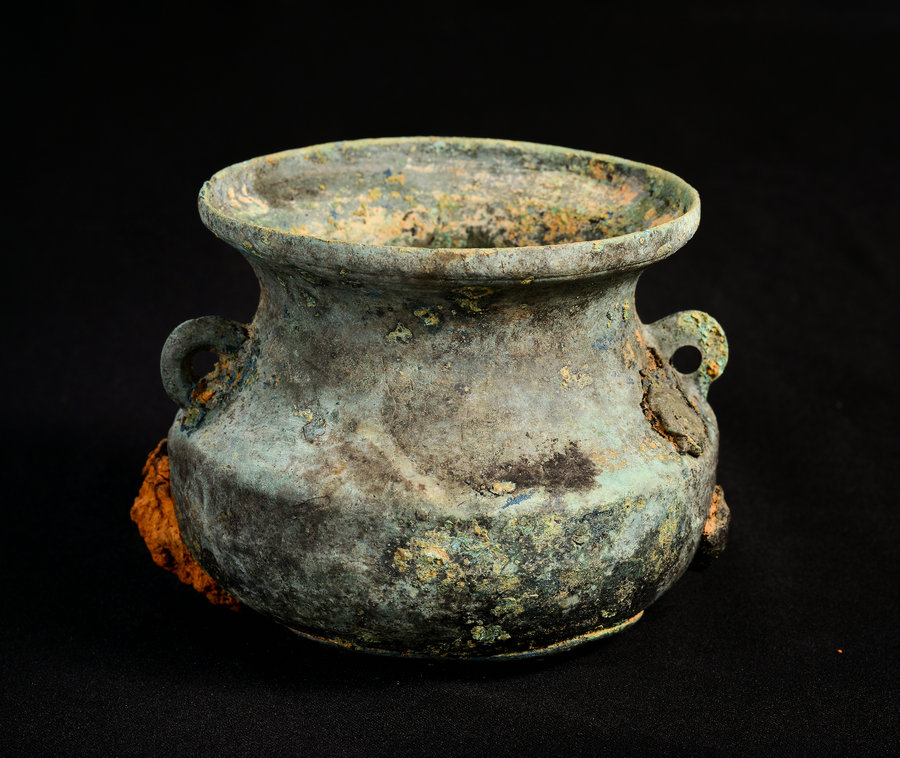
The grave complex of Dasongshan site, Gui'an New Area, Guizhou province, lasting from Western Jin Dynasty (265-317) to Ming Dynasty (1368-1644). [Photo provided to China Daily]
The long continuum of graveyards offered a benchmark of archaeological studies of the region and unrolled a panorama of various ethnic groups' daily life in Southwest China.
8. The temple ruins of Guchengcun, Hunchun, Jilin province, from the 5th century
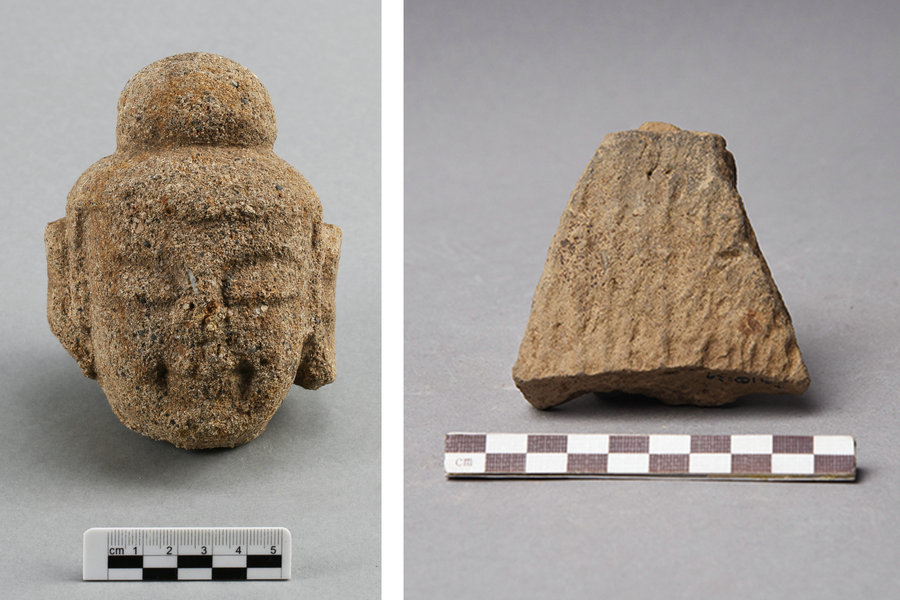
The temple ruins of Guchengcun, Hunchun, Jilin province, from the 5th century. [Photo provided to China Daily]
New findings have largely contributed to studies of Buddhist cultures in two states, Gaogouli (Goguryeo) and Bohai (Balhae), which were influenced by counterparts on Central China Plains.
9. Zhouqiao bridge site and Bianhe canal ruins, Kaifeng, Henan province, from Northern Song period (960-1127)
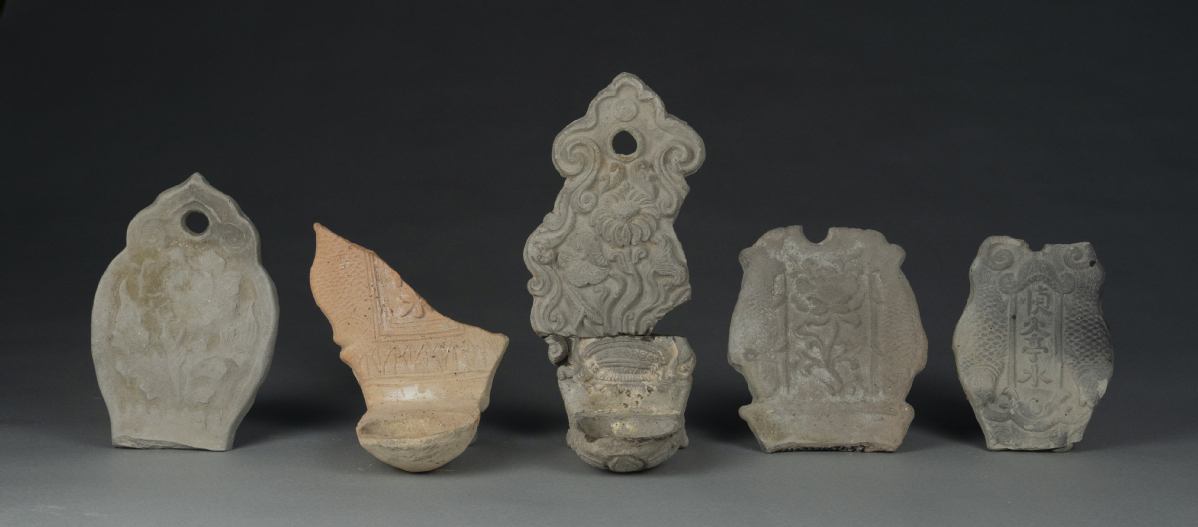
Zhouqiao bridge site and Bianhe canal ruins, Kaifeng, Henan province, from Northern Song period (960-1127). [Photo provided to China Daily]
New findings threw light upon research on the urban history of the capital city of Northern Song and the section of Grand Canal in the city, and demonstrated a cultural peak of Chinese civilization.
10. Shuomen ancient port ruins site , Wenzhou, Zhejiang province, from Song (960-1279) to Yuan (1271-1368) dynasties
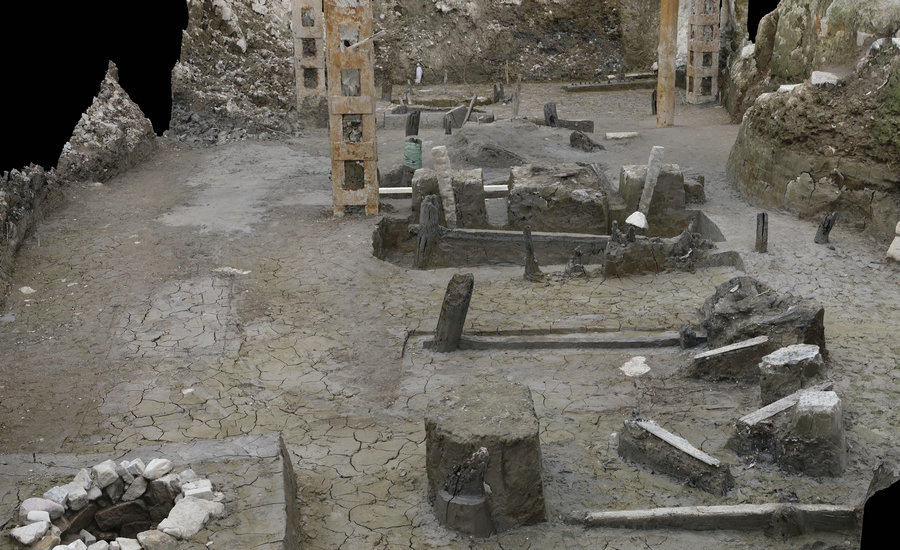
Shuomen ancient port ruins site , Wenzhou, Zhejiang province, from Song (960-1279) to Yuan (1271-1368) dynasties. [Photo provided to China Daily]
The site unveiled the history of a prosperous Longquan celadon export during its time and is among the most important discoveries of ancient ports ever made in the country that is linked to the ancient trade route of the Maritime Silk Road.
Sources: China Daily, Xinhua
Editor: Lyu Yun