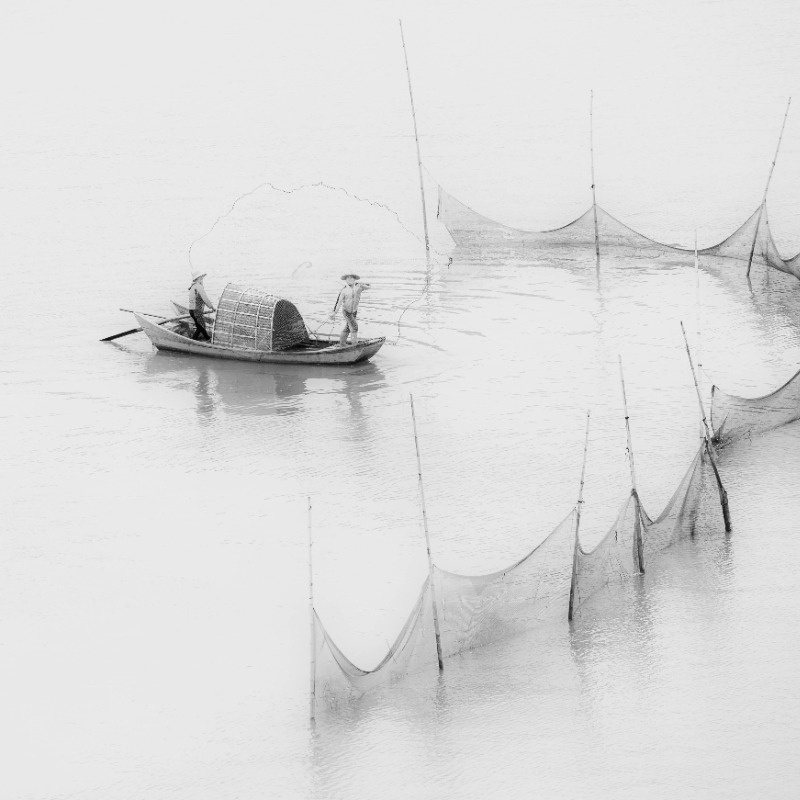

Developed from the worshipping of ancestors and spring customs in ancient times, the Qingming Festival, also known as the Tomb-Sweeping Day, is an important traditional festival in China and also the fifth of the 24 solar terms in the Chinese lunar calendar.
一年一度的清明假又将到来。清明,寓意“天清地明”,既是“二十四节气”之一,也是中国传统节日之一,源自上古时代的祖先信仰与春祭礼俗。

Wonder how the ancient people spend the Qingming Festival holidays? Let's find out.
那么,在古代,人们是怎么过清明节的呢?

踏春 Spring outing
Spring outing is another tradition for ancient people to spend the Qingming Festival. As the fifth solar term of the year, the Qingming Festival usually sees the most tender and amiable days of the spring. With gentle breeze and flowers in full bloom, it is the best time to go out and to appreciate the beautiful views of nature.
清明期间正是春风得意、春意盎然的时节,万物萌动之时,伴随着清明扫墓的同时,古人也爱踏春游乐,郊游于野外。
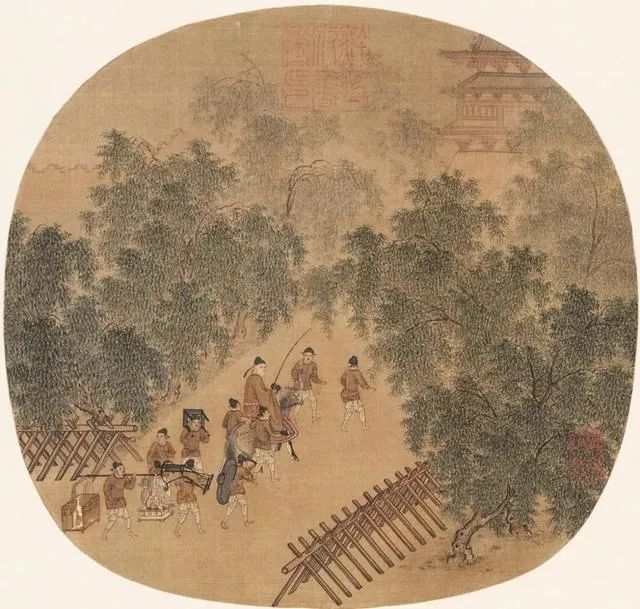
A group of people returning from a spring outing were pictured, Song Dynasty, housed in Taipei Palace Museum 宋·佚名《春游晚归图》,台北故宫博物院藏
This custom can be traced back to the Tang Dynasty and scenes of the spring outing were often described in literary works, paintings, and other forms of arts by Chinese artists of different dynasties.
据唐朝时期编写的《晋书》记载,每年春天,人们都要结伴到郊外游春赏景。踏青风俗至唐宋尤盛,南宋诗人范成大在其《春日田园杂兴》第三首中说道:“高田二麦接山青,傍水低田绿未耕;桃杏满村春似锦,踏歌椎鼓过清明。”生动地描述了清明踏青的场景。
In olden days, women were not allowed to go out at will. The spring outing in the festival provided them the chance to have some outdoor fun and meet their potential lovers.
旧时城中人家的女子不轻易出门,清明踏青活动提供了“仕女”们野外活动的机会,清代诗人邵长蘅《冶游》诗云:“二月春始半,踏春邀女伴。”这一日是古代女子们放飞青春的日子,也是她们邂逅情人的机会。

放风筝 Flying kites
Flying kites was also a popular activity during the Qingming Festival. What makes flying kites on this day special was that people would cut the string to let it fly free while the kite was in the sky. It is said this would ward off diseases and bring good luck.
风筝又称“纸鸢”,放风筝是古代清明时节人们最喜爱的活动之一。古人相信若某人生病可将其病况写或画于扎制的风筝上,用线系着风筝在空中放飞,让它飞至高空就拉线剪断,疾病灾难便会随着风筝一起飞走。后来,风筝亦逐渐发展成广为流行的郊游娱乐活动。
清人潘荣陛所著的《帝京岁时纪胜》记载道:“清明扫墓,倾城男女,纷出四郊,提酌挈盒,轮毂相望。各携纸鸢线轴,祭扫毕,即于坟前施放较胜。”
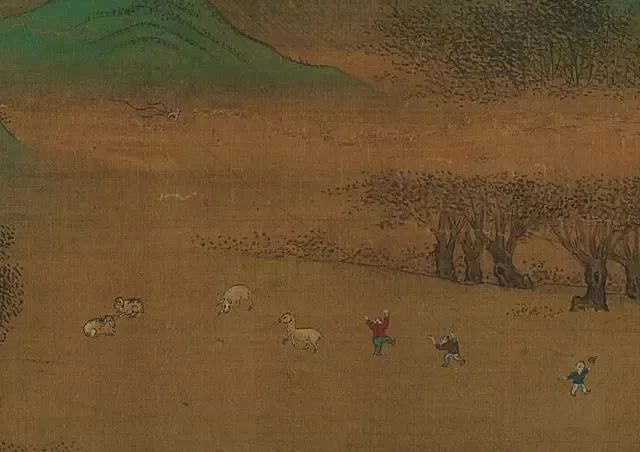
People flying kites was spotted in the Riverside Scene at Qingming Festival which is said to be painted by Qiu Ying, Ming Dynasty, housed in Liaoning Provincial Museum 明·仇英《清明上河图》局部,辽宁省博物馆藏

Author: Yuan
Supervisor: Lv Yun
Editor: Lv Yun
Source: GZ-Maritimesilkroad (丝路云帆Silu Yunfan), official Wechat account of City Alliance for the Preservation and world Heritage Inscription of Maritime Silk Road Heritage