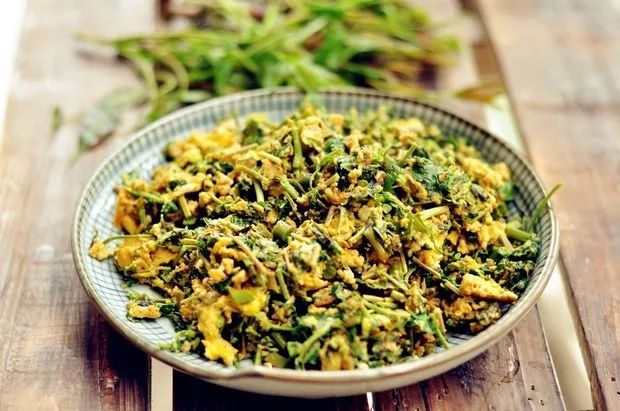
Fried eggs with tender leaves of Chinese toon, a seasonal dish in springtime 香椿炒蛋是春天特有的一道时令菜。
In recent years, the high price of xiangchun, or more precisely tender leaves of Chinese toon, has always been a hot topic on social media of China in early spring when this seasonal vegetable becomes eatable.
近年来,每到早春香椿上市的时节,其高昂的价格都会成为国内社交媒体上的热门话题。
Chinese have been enjoying xiangchun since the Han Dynasty.
中国人食用香椿的历史并不短:汉代时就遍布大江南北。
Eating seasonal food (like xiangchun) might be a way to diversify diet for foodies today. But back in a time with limited options of fruits and vegetables centuries ago, eating food in season was almost the only choice for ancient Chinese.
今天的人们享用香椿这样的应季食材更像是生活情趣的体现,古代的人们则没有那么幸运——按时令烹煮食材几乎是他们唯一的选择。
So what else besides xiangchun could ancient Chinese eat during springtime? Now let's check out some of the popular food materials.
那么除了香椿,古人们在春天还喜欢吃什么呢?今天,我们就来看看古代的春季流行食材。

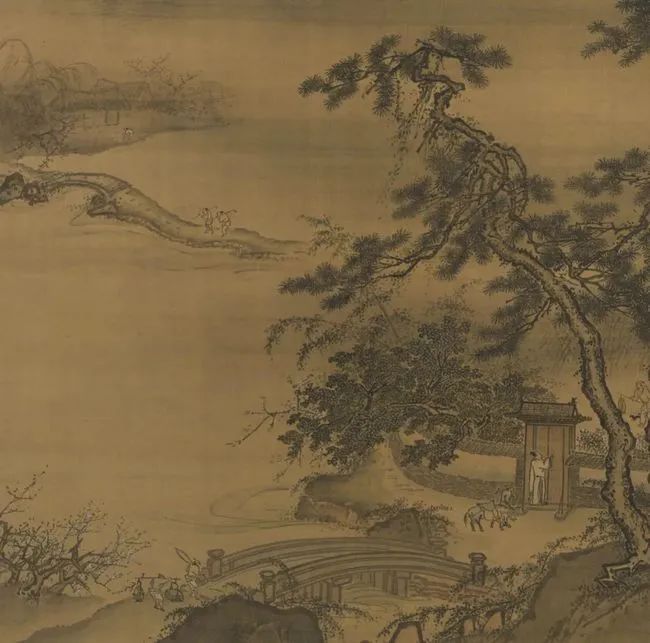
Returning Late From A Spring Outing by Dai Jin, Ming Dynasty, housed in Taipei Palace Museum 明戴进《春游晚归图》,台北故宫博物院藏
One of the popular seasonal vegetable for spring in ancient times was celery.
古时春季的其中一种“爆款”食材便是芹菜。
Du Fu, one of the most famous poets in the Tang Dynasty, loved to treat himself with a thick soup cooked with shredded meat of crucian carp and celery, sesame, fennel and salt, according to one of his poems.
“鲜鲫银丝脍,香芹碧涧羹”——唐代“诗圣”杜甫爱的是用活鲜鲫鱼烹煮的银色鱼肉丝,以及用芹菜、芝麻、茴香、盐等制成的羹。
Another enthusiast of celery was Lin Hong, a scholar in the Southern Song Dynasty. According to one of his works, the edible part of celery varied depending on its species, and he also enjoyed the thick soup mentioned above.
南宋文人林洪也是芹菜的绝对热衷者。

他在《山家清供》中记载,芹有二种,荻芹取根,赤芹取叶与茎。“二月、三月作羹时,采之洗净,入汤焯过,取出。……惟瀹而羹之者,既清而馨,犹碧涧然”——这里指的也是碧涧羹。
Lin preferred to preserve the original flavor of spring vegetables in the cooking process. Take lilies as an example. In mid-spring, lily roots were dried, mashed, sifted and kneaded to make flatbread which was believed to improve one's blood circulation and qi, or "vital energy". Steamed lily root noodles also went well with wine.
林洪是进士出身,属于“文艺小清新”一派,强调山林之味,“自甘藜藿,不羡轻肥”。在《山家清供》中,林洪还写道,春季食趣在于清鲜菜蔬的原味,爽爽清清,满目珠白碧翠。比如,在仲春时节,古人还常采百合根晒干,捣、筛、和面,做成汤饼,“最益血气”。而百合面蒸熟了,还可以佐酒。

A Man Taps His Feet To The Beat of A Song, by Ma Yuan, Southern Song Dynasty, housed in the Palace Museum 南宋马远《踏歌图》,故宫博物院藏
Jiucai, or Chinese chives, was also a type of seasonal vegetable for springtime in ancient China.
韭菜也是春天必不可缺的应季食材之一。
People would boil the Chinese chive buds, have the peel of the stem removed, cut the vegetable in lengths before frying them in a pot.
在古代,春韭是最应季的食物,做法也非常讲究。首先要把春韭理整齐,手拿着白色的韭菜梗在开水里稍微焯一下,去掉梗皮,然后用竹刀切好,放入锅中炒。
When the vegetable was almost cooked, people would put them into cold water to make it taste tender and crisp.
炒到刚熟,就马上放进冷水里。这样再取出食用就会非常脆嫩。
As for tender Chinese chive leaves, they would be served cold with shredded ginger, soy sauce and vinegar, which was believed to have good diuretic effects.
嫩韭菜用姜丝、酱油和醋拌起来吃,也是妙方,可以利小便、治尿潴留。
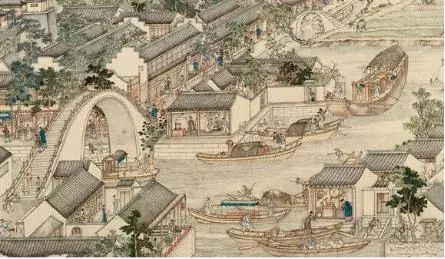
Flourishing City of Gusu by Xu Yang, Qing Dynasty, housed in Liaoning Provincial Museum 清徐扬《姑苏繁华图》(又称《盛世滋生图》),辽宁省博物馆藏

Author: Yuan
Supervisor: Lv Yun
Editor: Lv Yun
Source: GZ-Maritimesilkroad (丝路云帆Silu Yunfan), official Wechat account of City Alliance for the Preservation and world Heritage Inscription of Maritime Silk Road Heritage