In ancient times, flowers of various colors were one of the most popular decoration motifs on porcelain. Chinese craftsmen preferred to paint spring flowers on porcelain to give the wares auspicious meanings.
颜色缤纷、多姿多彩的花卉是中国瓷器上的传统纹饰之一。古代匠人们在瓷器上绘以花卉,让花朵在瓷器上婀娜,让釉色在花枝间流动,同时也赋予了它们吉祥寓意。
Today, let's check out some of vernal flower patterns on porcelain wares.
今天,让我们欣赏瓷器上的“春天“系列二。


桃花 Peach blossoms

Charming peach blossoms rival the apricot flowers in beauty in March.
在三月,和杏花争春的还有那迷人的桃花。
Often flowering in March, peach blossoms are regarded as the sign of spring because they appear before the leaves sprout. And they are often associated with love and marriage, because spring is traditionally regarded as a season of romance. The ancient Chinese also believed that peach wood could protect people from spectral evils, and peach fruits could help improve health and prong life.
桃树三至四月开花,从古至今皆为春天的物候,古代许多农书、类书等文献中,常以“桃花雨”“桃花水”等预示春气,“桃花风”也被作为春天的风信。桃在中国传统文化中是一种吉祥之物,代表婚姻、长寿与不朽。传说桃木可驱鬼,桃的果实吃了后则可延年益寿,遂成为长寿的象征。
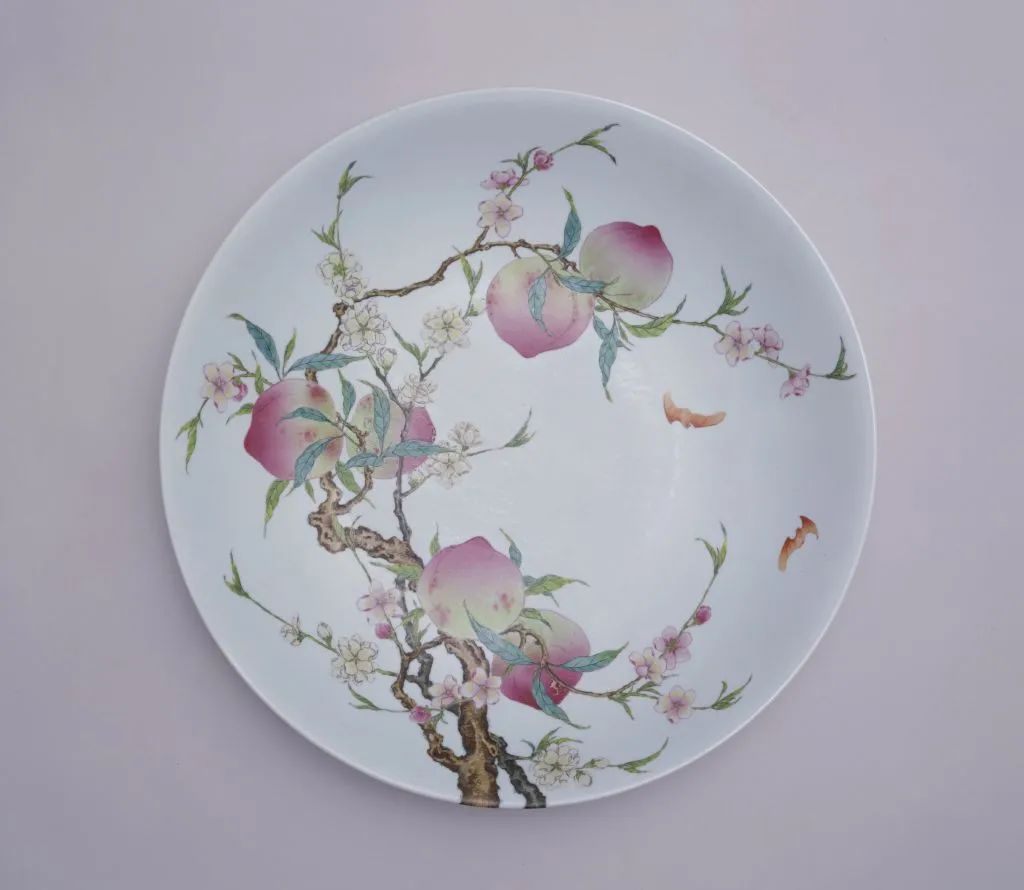
Famllie rose plate with peach tree, during the reign of Emperor Yongzheng of the Qing Dynasty, housed in the Palace Museum 清雍正·粉彩过枝桃树纹盘,故宫博物院藏
Peach blossoms have been the muses of Chinese literati and poets for a long time. They considered peach blossoms as the prelude to spring in their poems and celebrated the vitality of the flowers possessed.
历代文人墨客也爱以桃花为题,诗吟画赋,倾之以情,彰显其品、其姿、其韵、其德。比如《诗经》写道“桃之夭夭,灼灼其华”,乃用桃花喻美人;《吕氏春秋》载:“仲春之月……始雨水,桃李华,仓庚鸣。”彰显一派生机。
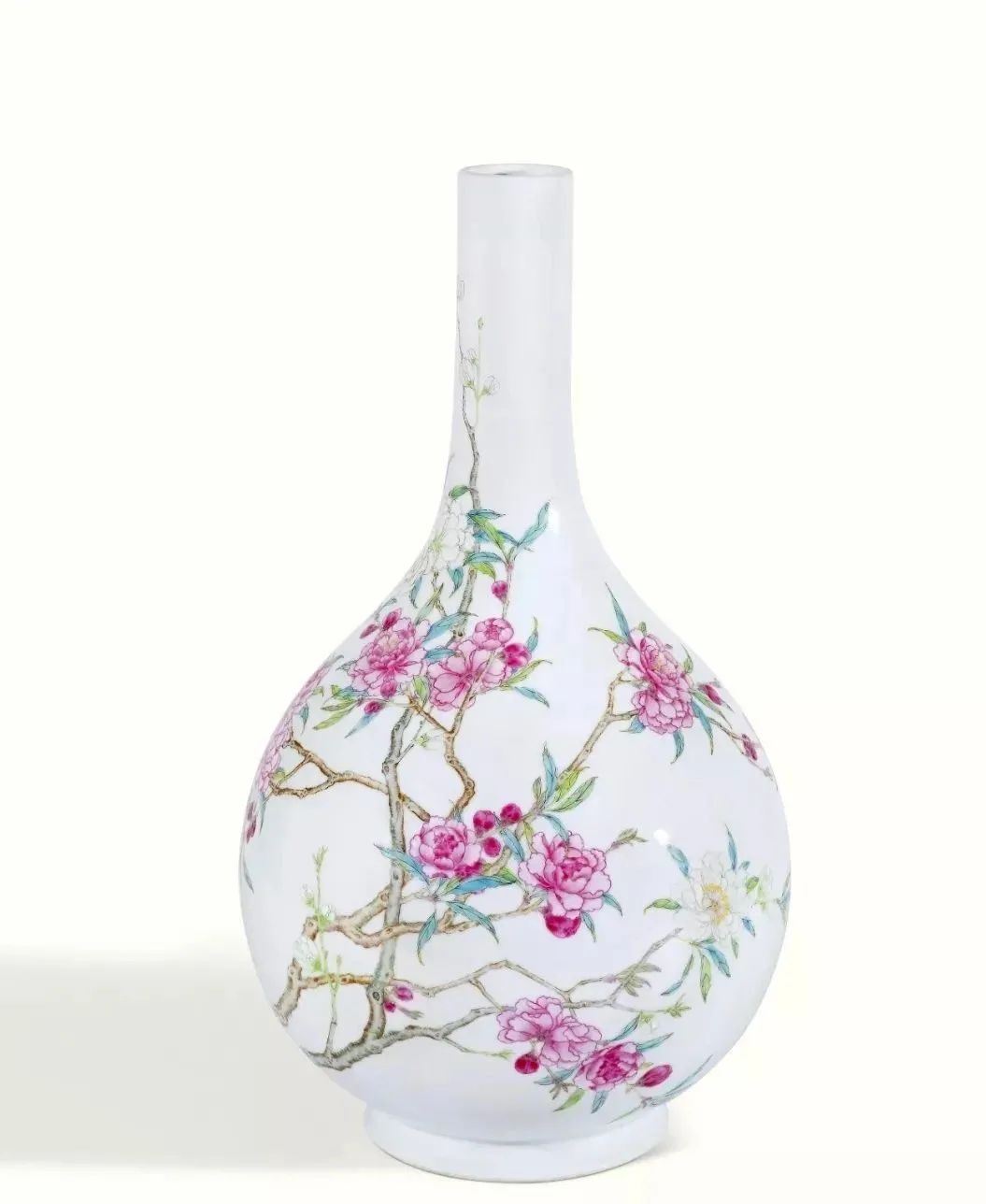
Vase with peach blossoms, during the reign of Emperor Yongzheng of the Qing Dynasty 清雍正·御制瓷胎洋彩珐琅春风碧桃图胆瓶
The motif of peach blossom was also widely used as decoration in the field of arts and crafts. Among them, the nine-peach design was an official ornament often used since the reign of Emperor Yongzheng of the Qing Dynasty. During Yongzheng’s reign, the nine-peach design was commonly seen on famille-rose wares such as globular vases and olive-shaped vases, and even seen spotted on bowls, carrying the auspicious meaning of longevity.
此外,桃花也作为装饰广泛出现在工艺美术领域中。其中九桃纹,是清雍正以来官窑瓷器常见的题材和样式,至光绪朝仍有仿造。“九”在中国传统文化中是至尊之数,九桃多绘于天球瓶、粉彩橄榄瓶,寓意平安祥顺,万寿无疆。
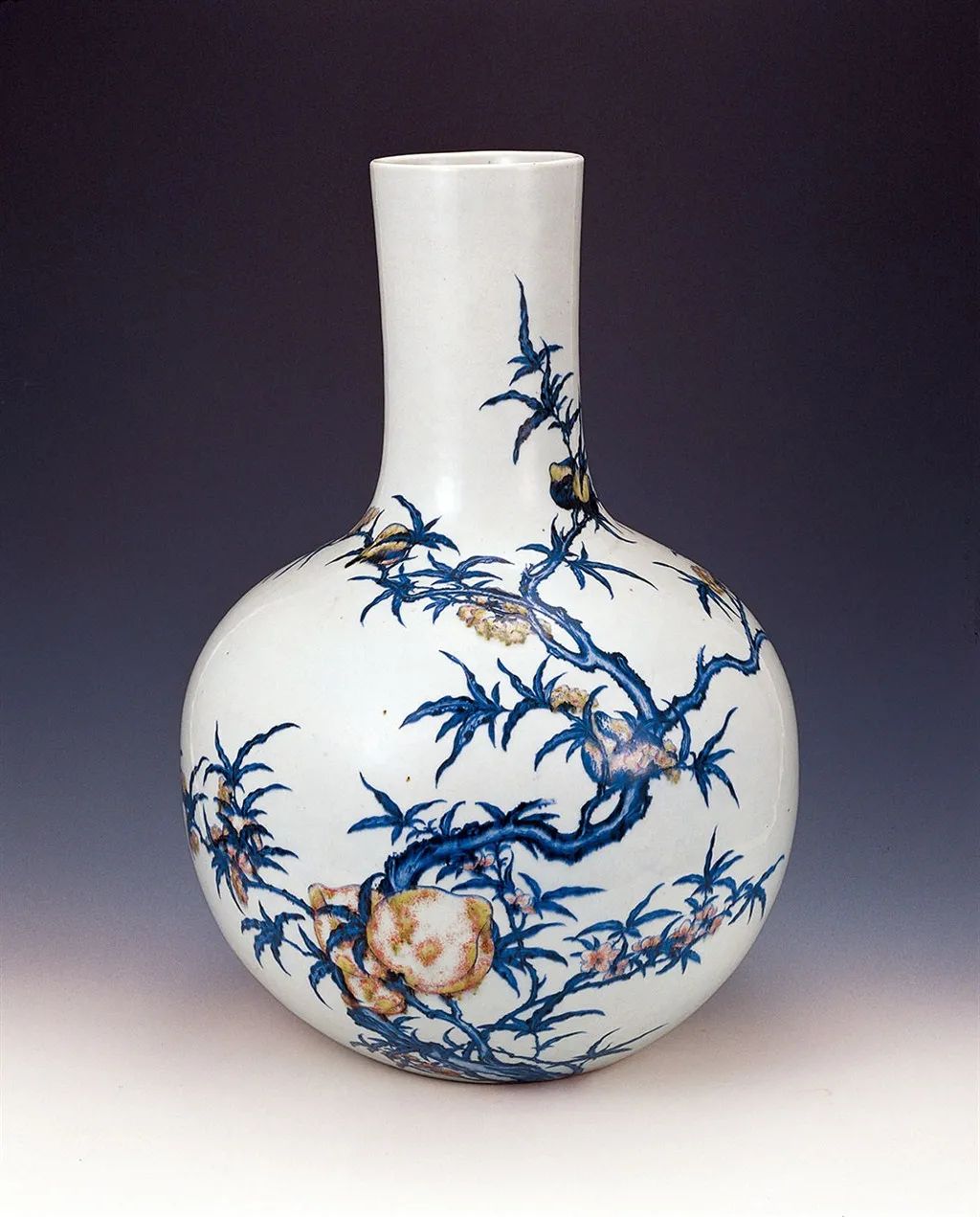
Vase with peach motif, during the reign of Emperor Yongzheng of the Qing Dynasty  清雍正·青花釉里红桃子天球大瓶
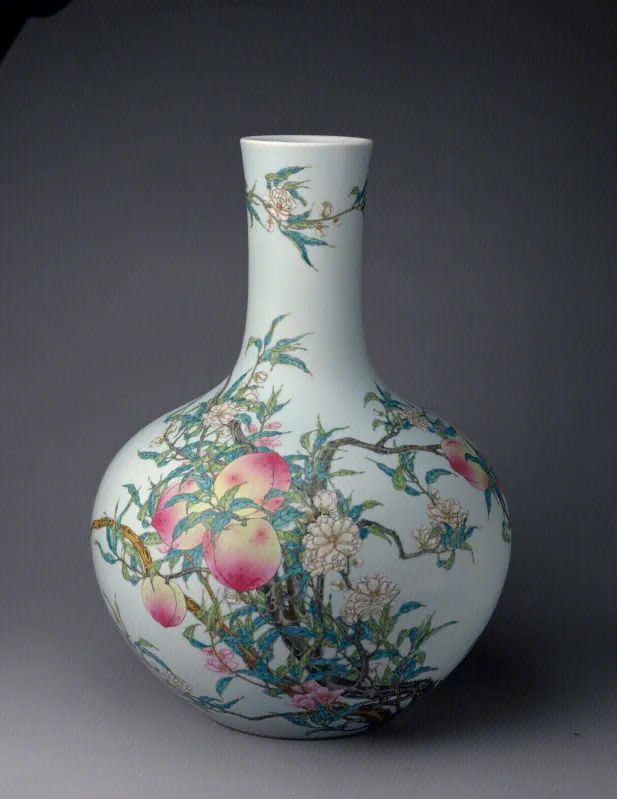
Famille-rose vase with nine peaches design, during the reign of Emperor Qianlong of the Qing Dynasty 清乾隆·粉彩九桃瓶
海棠花 Crabapple flowers
Around the Spring Equinox(starts on March 20 and ends on April 4 this year), crabapple, pear and magnolia all start blooming.
春分一到,海棠花、梨花、玉兰在春雨的时节就如期而至啦。
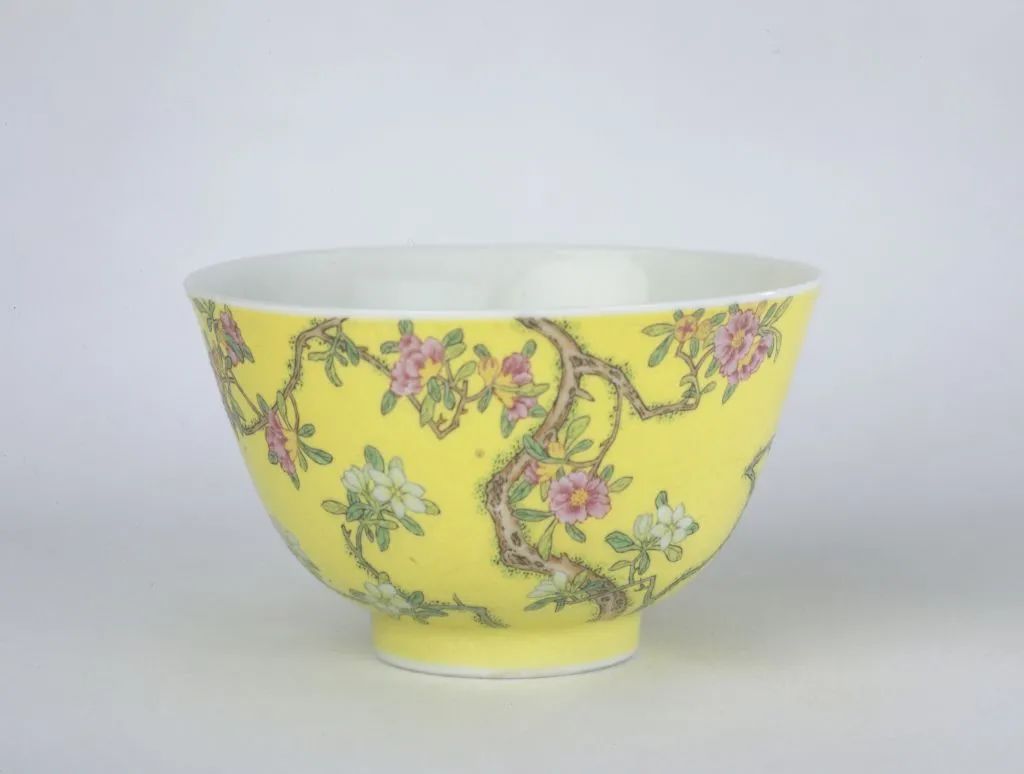
Enamelled cup with peach and pear blossoms, during the reign of Emperor Yongzheng of the Qing Dynasty. Pinkish peach flowers and pure pear flowers were painted on the exterior of the bowl. 清雍正·珐琅彩桃花纹杯,外部黄色地上一侧绘桃树一株及两枝梨花,赭色的枝干、粉红的桃花、洁白的梨花、嫩绿的花叶相互映衬,妖娆美丽。
Known as one of the traditional flowers in China, crabapples(“海棠”, or haitang in Chinese) have corymbs of flowers with five petals which are white, pink or red. Crabapples are especially revered in China, as their flowers are elegant and loved by people with both refined and popular tastes. The flower also frequented poems and paintings in different dynasties.
海棠花是我国的传统名花之一,花姿潇洒,花开似锦,素有“花中神仙”“花中贵妃”之誉。历代文人多有脍炙人口的诗句赞赏海棠。陆游诗云:“虽艳无俗姿,太皇真富贵。”形容海棠艳美高雅。陆游另一首诗中:“猩红鹦绿极天巧,叠萼重跗眩朝日。”形容海棠花鲜艳的红花绿叶及花朵繁茂与朝日争辉的形象。历史上以海棠为题材的名画也不胜枚举,譬如宋代佚名《海棠蛱蝶图》、现代大师张大千晚年画的《海棠春睡图》等等。
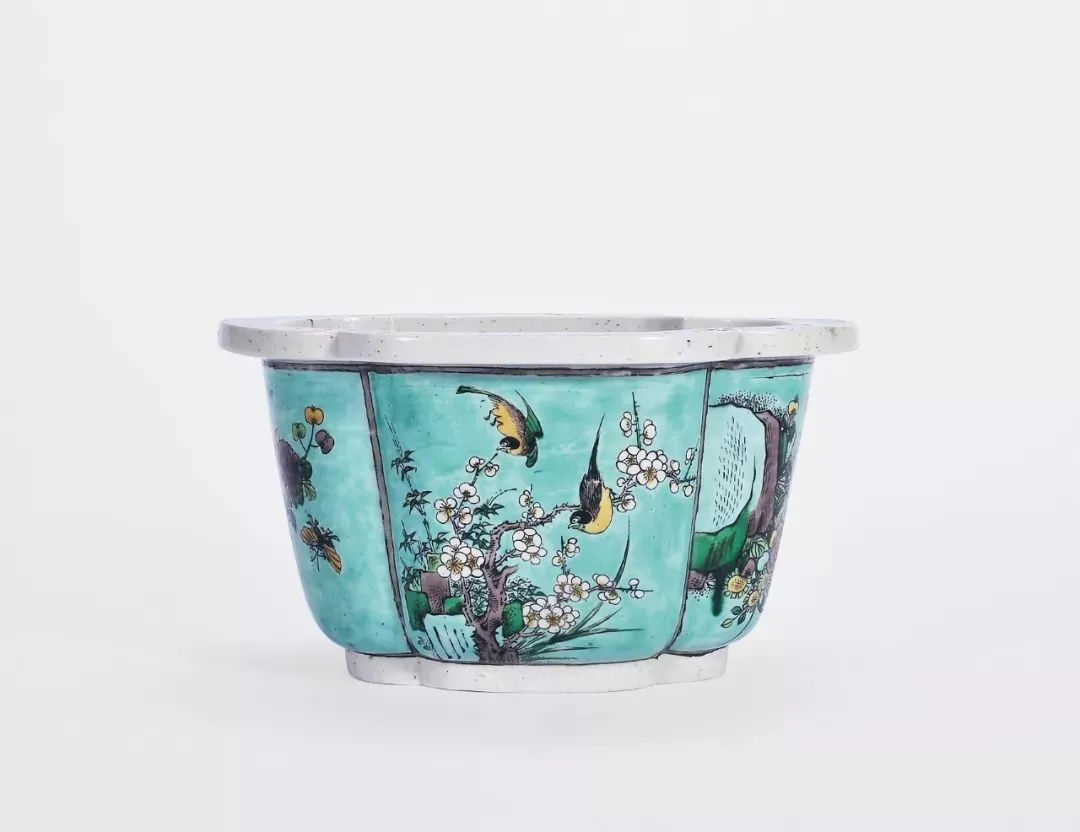
Crabapple flower-shaped pot with flower and bird patterns, during the reign of Emperor Kangxi of the Qing Dynasty 清康熙·素三彩开光花鸟纹海棠形花盆


玉兰花 Magnolia flower

March is the month of yulan, or magnolia flowers, a traditional Chinese woody flowers. There are white magnolia and purple magnolia, both of which were known as mulan or xinyi in ancient times. It was not until the Ming Dynasty that people started to call the white magnolia yulan, while the purple one was still called mulan or xinyi.
玉兰是中国传统的木本花卉,有白玉兰和紫玉兰两种,古时混称为“木兰”,又叫辛夷、望春花。直到明代,人们才将二者分开,白色木兰称为玉兰,紫色仍为木兰或辛夷。
Yulan has been cultivated for at least 2,500 years and was first used as a building material for palaces in China. Historical records show that King Helü of Wu during the late Spring and Autumn period once planted yulan in Xunyang (present-day Jiujiang, Jiangxi province) to build palace.
玉兰人工栽培历史最少已有2500年,最早是做宫殿建筑材料。南朝梁任昉《述异记》记载,“木兰洲在浔阳江中,多木兰树。昔吴王阖闾植木兰于此,用构宫殿也。”浔阳就是今天的江西九江,春秋时期吴王阖闾就开始栽种玉兰,用于营造宫殿。
Qu Yuan, one of the greatest poets in the late Warring States era, also expressed his admiration for the flower in his works The Lament (Li Sao). That's why people regarded it as a symbol of purity.
流传百世的佳作《离骚》中也有对玉兰的描述:“朝饮木兰之坠露兮,夕餐菊之落英”。从字里行间,我们不难看出屈原对玉兰的欣赏。于是人们把屈原的高洁品质作为玉兰的寓意。
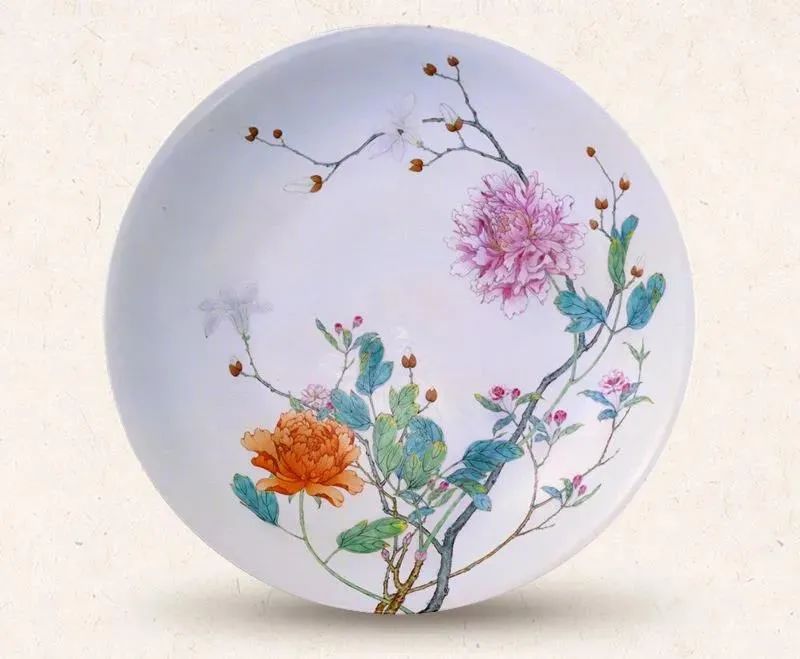
Famille rose plate with magnolia flower and peony, Qing Dynasty, housed in the Palace Museum 清·粉彩玉兰牡丹纹盘,故宫博物院藏
The magnolia is a much loved flower in China, especially for emperors and the noble. For centuries varieties of magnolia have been selectively bred in royal gardens.
后来,因树姿、花形皆美,玉兰逐渐成为庭院观赏树种,尤为被帝王将相所喜欢,是皇家园林里面的珍品。
It's said that Emperor Kangxi had a passion for the arbor, and cultivated the plant extensively in the palace he lived.
清代的康熙和乾隆皇帝都酷爱玉兰,康熙帝曾在他居住的畅春园里广植玉兰,并写下《咏玉兰》诗:“琼枝本自江南种,移向春光上苑栽;试比群芳真皎洁,冰心一片晓风开。”每至园中玉兰花开之时,他还会陪祖母孝庄太皇太后到花园里观赏玉兰。

Author: Yuan
Supervisor: Lv Yun
Editor: Lv Yun
Source: GZ-Maritimesilkroad (丝路云帆Silu Yunfan), official Wechat account of City Alliance for the Preservation and world Heritage Inscription of Maritime Silk Road Heritage