In ancient times, flowers of various colors were one of the most popular decoration motifs on porcelain. Chinese craftsmen preferred to paint spring flowers on porcelain to give the wares auspicious meanings.
颜色缤纷、多姿多彩的花卉是中国瓷器上的传统纹饰之一。古代匠人们在瓷器上绘以花卉,让花朵在瓷器上婀娜,让釉色在花枝间流动,同时也赋予了它们吉祥寓意。
Today, let's check out some of vernal flower patterns on porcelain wares.
今天,让我们欣赏瓷器上的“春天“系列三。


牡丹花 Peony

Also occupying an important place in the royal gardens was peony, which often flowers in late spring.
同样在皇家园林占据一席之地的还有在暮春四月开放的牡丹花。
Peony is awarded the title "King of Flowers" for its spectacular blossoms, beautiful greenery and rich fragrance. Its big petals and strong colors are connected to prosperity and richness in traditional Chinese culture.
牡丹,花色泽艳丽,玉笑珠香,富丽堂皇,素有“花中之王”的美誉。长期以来,它是富贵、幸福、美好、繁荣昌盛的象征。
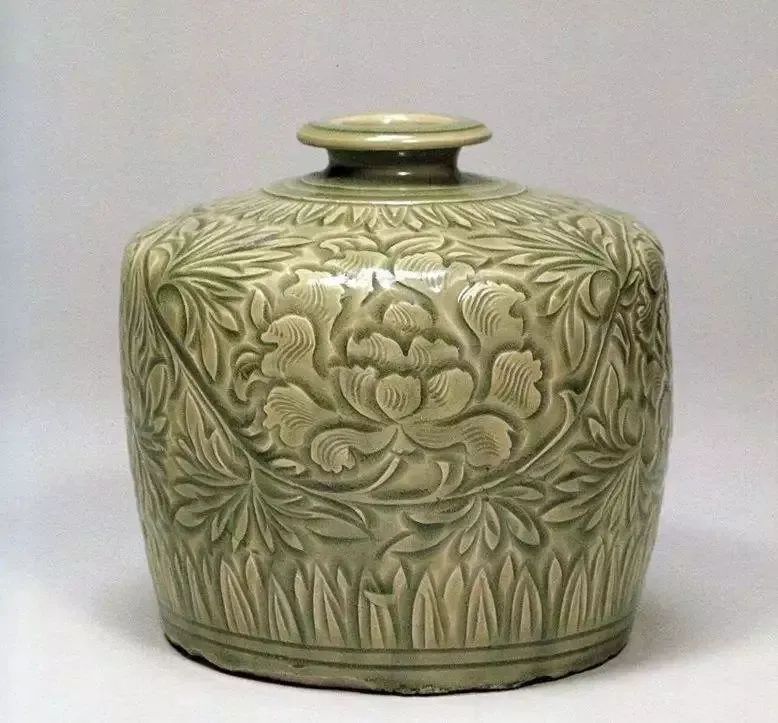
Vase with peony pattern made in Yaozhou Kiln, Song Dynasty, housed in the Museum of Oriental Ceramics, Osaka, Japan 宋·耀州窑牡丹唐草纹瓶,日本大阪市立东洋陶瓷美术馆藏
Thus, it was deeply loved by Chinese artists and poets who created numerous masterpieces about its exquisite beauty. Since the Tang Dynasty, peony has become a popular decorative pattern on porcelain wares.

古时的艺术家们也以各种艺术形式去表达他们对牡丹的热爱,尤其自唐代以来,牡丹成为深受推崇的装饰题材,经常出现在陶瓷器具上。
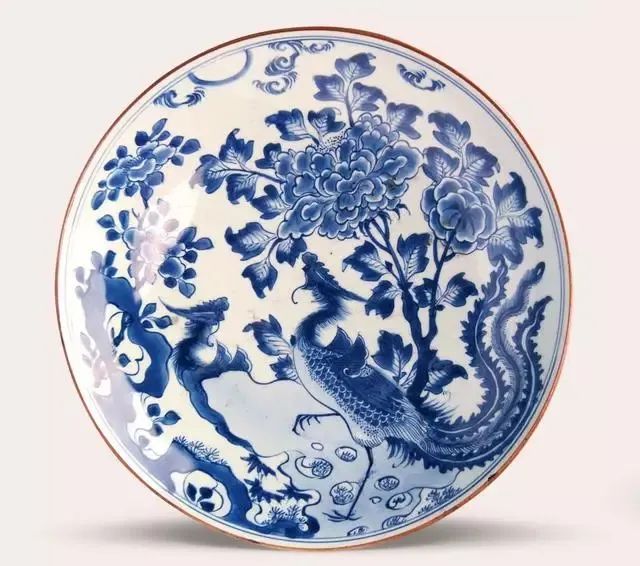
Large blue and white plate with peony and phoenix patterns, Qing Dynasty 清·青花凤凰牡丹大盘
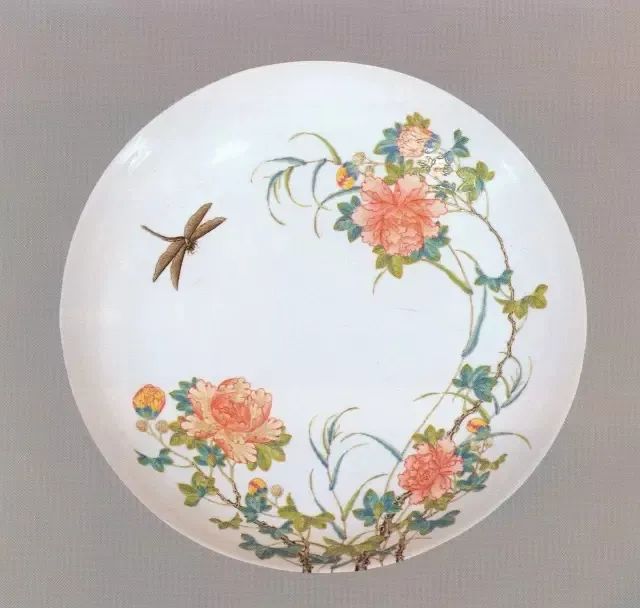
Famille rose plate with peony and dragonfly patterns, during the reign of Emperor Yongzheng of the Qing Dynasty 清雍正·粉彩牡丹蜻蜓图大盘
Ancient Chinese used to plant in their courtyard magnolia together with crabapple and peony to wish for “wealth and nobility”. The decorative pattern comprising magnolia (yulan), crabapple (haitang) and peonies (fuguihua) were often seen in famille rose wares during the Qing period.
还值得一提的是,古人常常将玉兰与海棠、牡丹相配植种在自家院子中,取“玉堂富贵”之意。
The pattern was auspicious because the names of the flowers combined could form a rebus for “玉堂富贵” (yutang fugui, may your noble house be blessed with wealth and honor).
因此“玉堂富贵”图案成为古人备受喜爱的纹饰,多见于雍正朝粉彩器上。
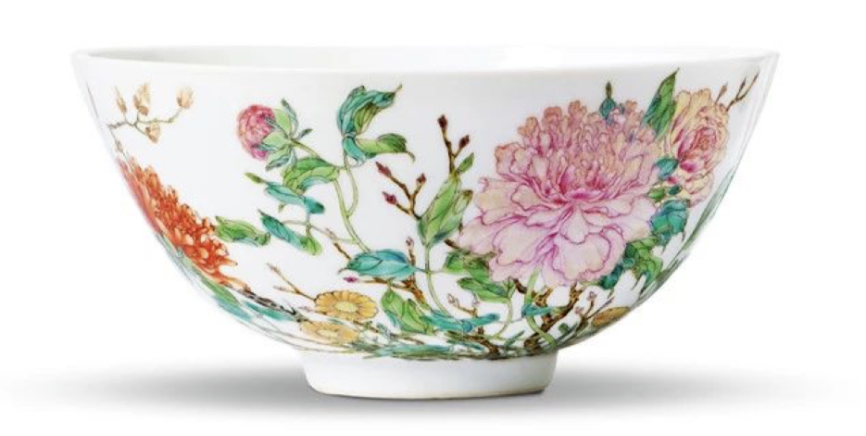
Famille rose bowl with magnolia, crabapple and peony flowers, during the reign of Emperor Yongzheng of the Qing Dynasty 清雍正·粉彩玉堂富贵花卉纹碗
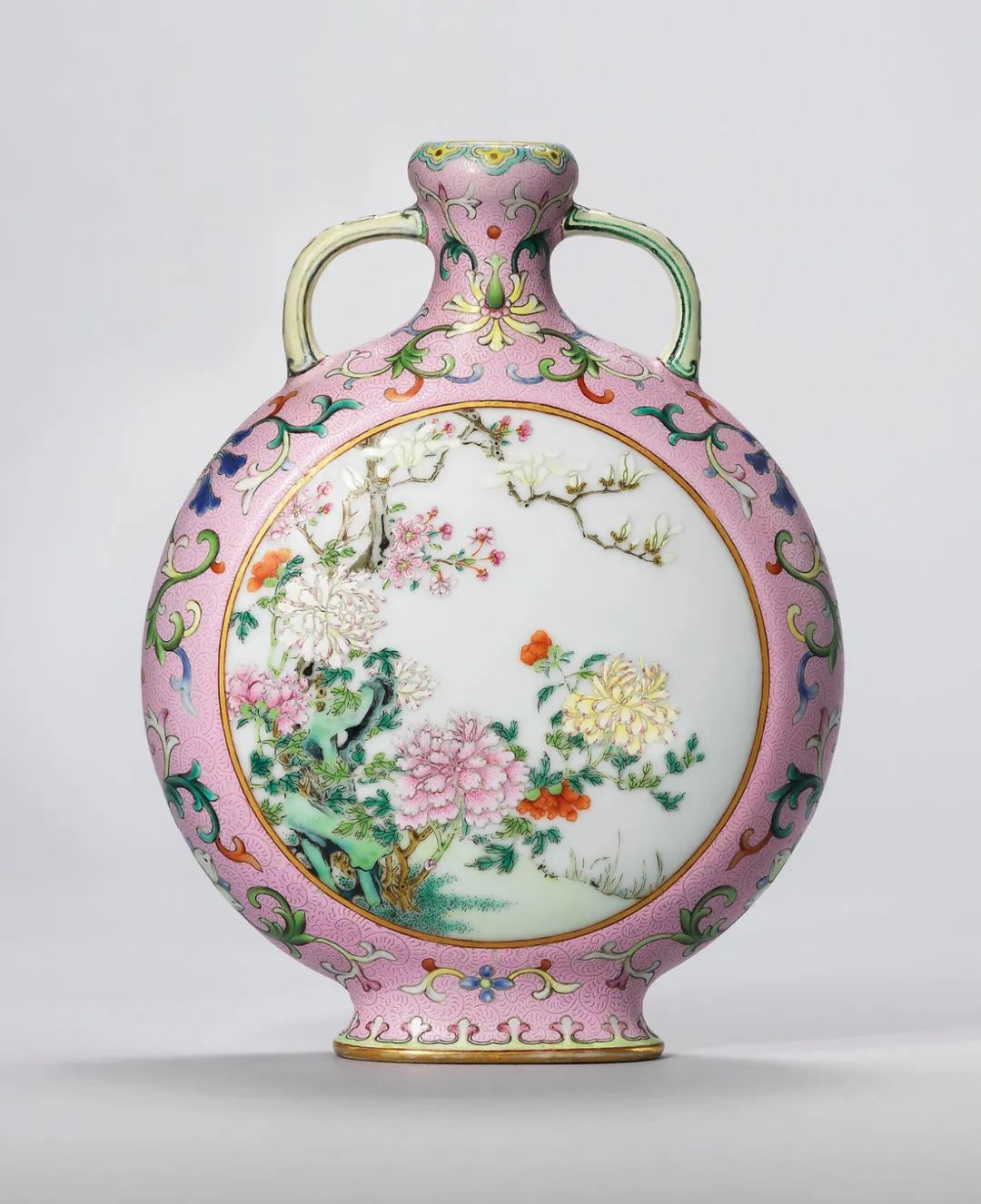
Famille rose moonflask painted with magnolia, crabapple and peony flowers, during the reign of Emperor Qianlong of the Qing Dynasty  清乾隆·粉红地粉彩开光玉堂富贵背壶
月季 Chinese rose
Yueji, or Chinese rose, is famous for the fact that it blooms almost every month of the year. For this reason, the Chinese rose is also known as “长春花(changchunhua)”, the eternal spring flower, and is thus a symbol of longevity.
在春天,我们还能看到另一中国传统名花——月季花,因为月季几乎每个月都会开花,亦被称为“长春花”,象征着长寿。
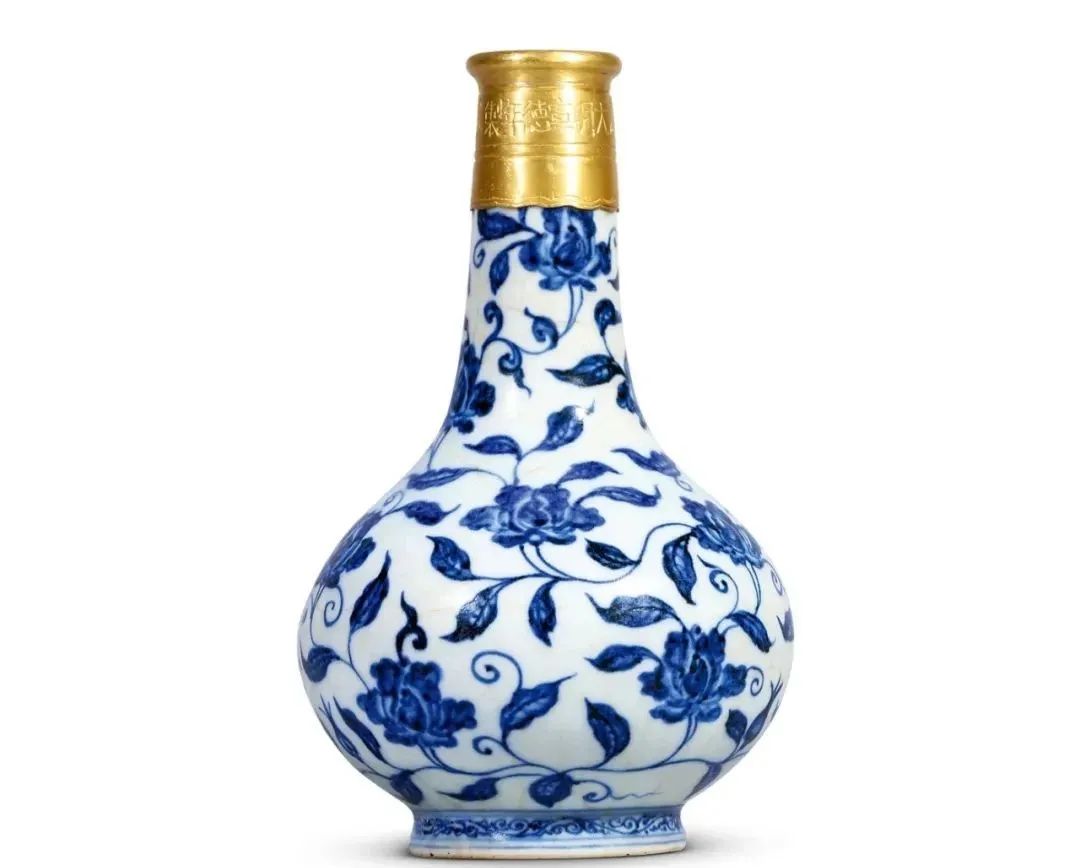
Blue and white vase with Chinese rose motif, during the reign of Emperor Xuande of the Ming Dynasty 明宣德·青花缠枝月季花纹胆瓶
Chinese rose has a long history in China. Its planting can be traced back to the reign of Emperor Wu of the Han Dynasty, more than 2,000 years ago, when roses from Sichuan and Guangdong were planted all over the royal gardens in the then capital city of Chang’an (present-day Xi’an).
月季在我国有着悠久的栽种历史。最早可以考证到距今2000多年前的汉武帝时代,那时的汉宫苑里就已种植来自四川、广东等地多种不同的月季。
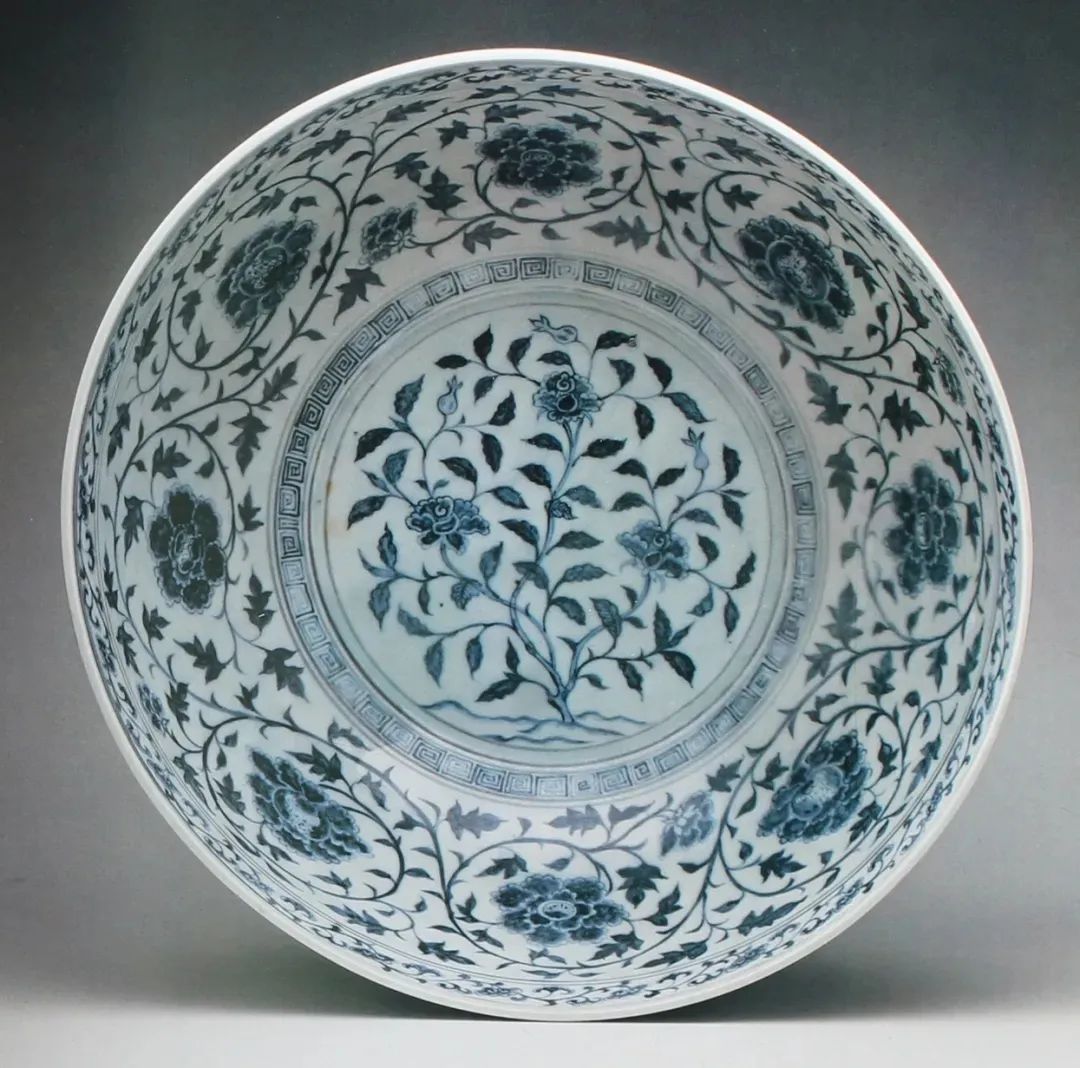
A large blue and white bowl with Chinese rose motif in the middle, housed in the Topkapi Palace Museum, Turkey 土耳其托普卡帕宫博物馆收藏的一件明初青花花卉纹大碗,碗心所绘月季花纹细长灵动。
Since the Tang and Song dynasties, this perennial evergreen rosaceae has been widely planted and won many literati’s heart by its large and vibrant flowers.
唐宋以来更是栽种不绝,历代文人也留下了不少赞美月季的诗句。唐代著名诗人白居易曾有“晚开春去后,独秀院中央”的诗句,宋代诗人苏东坡诗云“花落花开无间断,春来春去不相关。牡丹最贵惟春晚,芍药虽繁只夏初。惟有此花开不厌,一年常占四时春。”
On some porcelain pieces, the flower was accompanied by hibiscus(mufurong in Chinese, a pun for 'wealth' and 'glory'). This combination suggests “长春荣华” (changchun ronghua, may you have wealth, glory and a long life.)
在陶瓷装饰上,古人则喜欢将月季与木芙蓉并放,寓意为“长春荣华”。
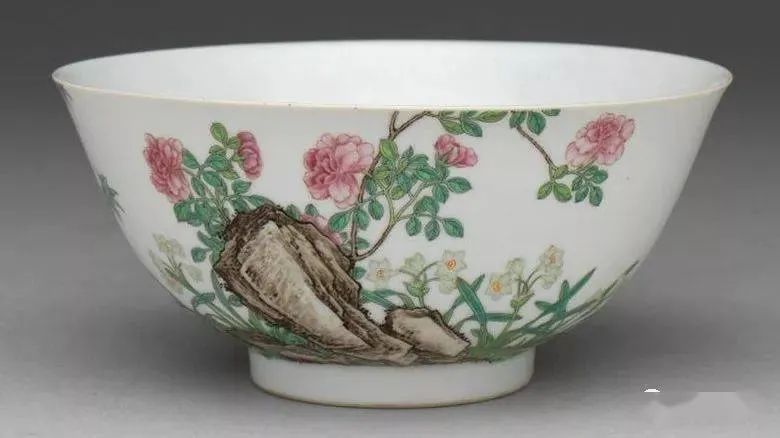
Enamelled bowl with Chinese rose, bamboo and stone patterns, during the reign of Emperor Yongzheng of the Qing Dynasty 清雍正·珐琅彩瓷月季竹石碗
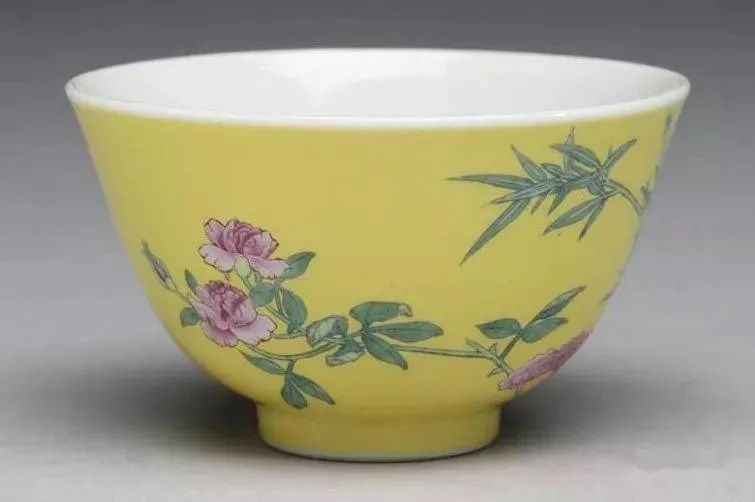
Enamelled bowl with Chinese rose and bamboo patterns, during the reign of Emperor Yongzheng of the Qing Dynasty 清雍正·珐琅彩瓷黄地月季翠竹碗
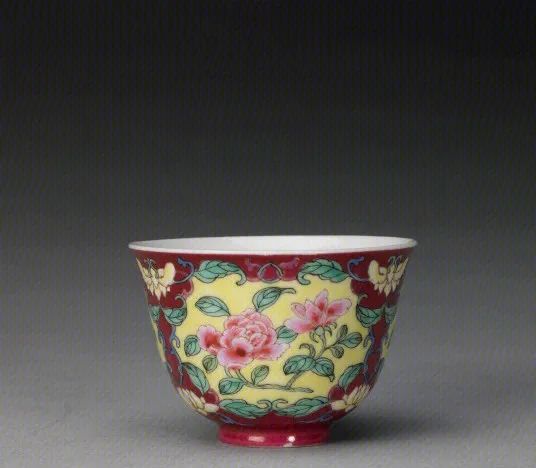
Famille rose cup with Chinese rose motif, during the reign of Emperor Yongzheng of the Qing Dynasty, housed in the Palace Museum 清雍正·胭脂紫地粉彩开光月季花纹杯,故宫博物院藏

Author: Yuan
Supervisor: Lv Yun
Editor: Lv Yun
Source: GZ-Maritimesilkroad (丝路云帆Silu Yunfan), official Wechat account of City Alliance for the Preservation and world Heritage Inscription of Maritime Silk Road Heritage