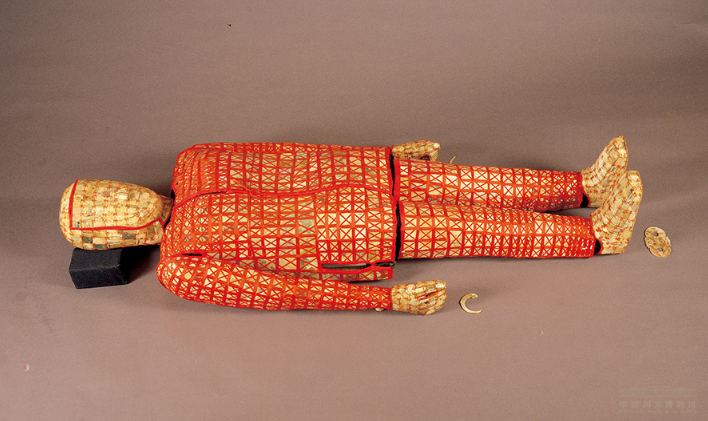
Nanyue King's jade burial suit with silk threads, housed in the Museum of the Nanyue King of Western Han Dynasty 丝缕玉衣 西汉南越王博物馆藏

With a history of more than 2,200 years and a large number of cultural relics, Guangzhou was among the first batch of 24 historical and cultural cities recognized by the State Council in 1982.
建城史长达2200年的广州,是国务院公布的全国首批24座历史文化名城之一,有不少珍贵文物。
Recently, three museums in Guangzhou have offered some of their representative collections for exhibition in the National Museum of China in Beijing, giving visitors a glimpse of the Lingnan culture.
前不久,一批极具代表性的广州镇馆藏品极难得地出了趟远门,悄悄进京,为参观者奉献了一出精彩的岭南文化“大戏”。

The exhibition kicked off on August 10, displaying 332 pieces (sets) of treasures from the Qin and Han dynasties, which were unearthed in Guangzhou. Among the exhibits, 38 are first-grade national relics.
8月10日,“海宇攸同——广州秦汉考古成果展”在中国国家博物馆开幕,共展出广州地区出土的秦汉时期精品文物332件(套),包括一级文物38件、二级文物43件、三级文物53件。
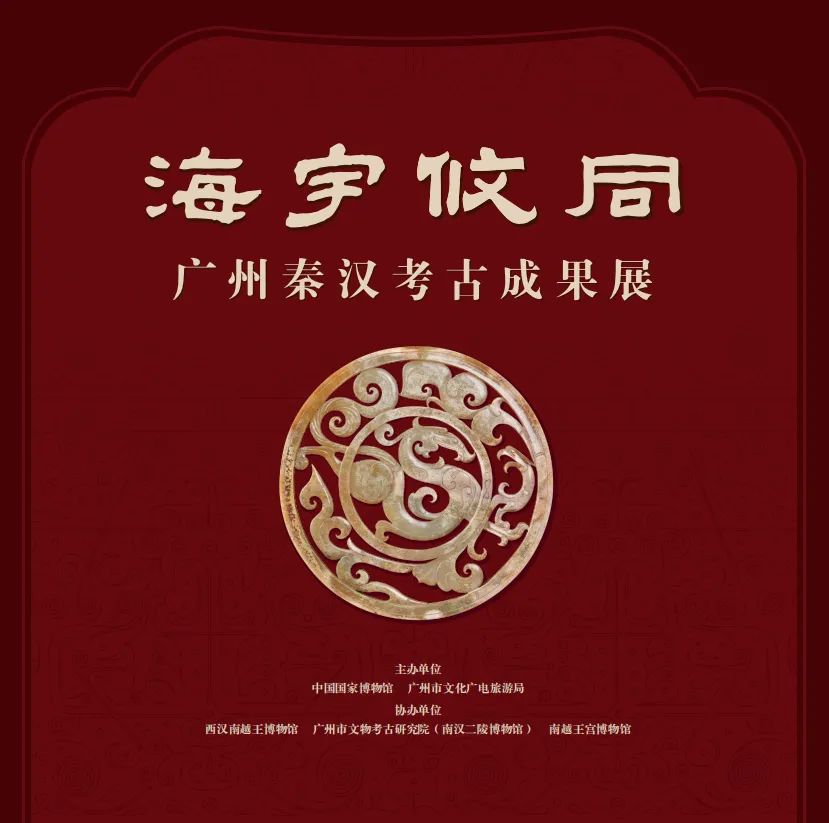
A poster of the exhibition named "One Under Heaven: Exhibition of Guangzhou Archaeological Discoveries from the Qin-Han Dynasties" 展览海报
The special exhibition, featuring the archaeological discoveries of Guangzhou, is the first of its kind held in the National Museum of China. It is co-hosted by the Guangzhou Municipal Bureau of Culture, Radio, Film and Tourism and will continue through November 9.
本次展览由中国国家博物馆和广州市文化广电旅游局主办,是首个在中国国家博物馆举办的广州考古成果专题展,将持续至11月9日。
The exhibition is divided into four parts, through which visitors can learn about how Guangzhou was developed into the eastern starting point of the ancient Maritime Silk Road and managed to keep developing over the years.
展览分“南域明珠”“四宇同光”“美食美器”和“丝路序章”四大部分。其中,在“丝路序章”部分,我们可以看到秦汉时期广州是如何一步步发展成为海上丝绸之路的东方起点,并开启持续两千多年不断繁荣发展的悠久历史的。
Over the past 60 years, archaeologists had discovered a number of heritage sites in Guangzhou, including the tomb of Zhao Mo, the second ruler of the Nanyue Kingdom (204-112 BC) in the Western Han Dynasty, the palace site and the Wooden Water Gate Ruin of Nanyue Kingdom.
60余年来,考古工作者在广州市区先后发现了南越文王墓、南越国宫署遗址、南越国木构水闸遗址及大量汉代臣民墓葬。
The tomb of Zhao Mo is the largest painted stone tomb from the Han Dynasty with the most burial objects ever found in southern China. It was one of the five greatest archaeological findings of China in the 1980s.
其中,南越文王墓是华南地区发现的规模最大、随葬品最丰富、墓主身份最高的汉代彩绘石室墓,为二十世纪八十年代中国考古五大发现之一。
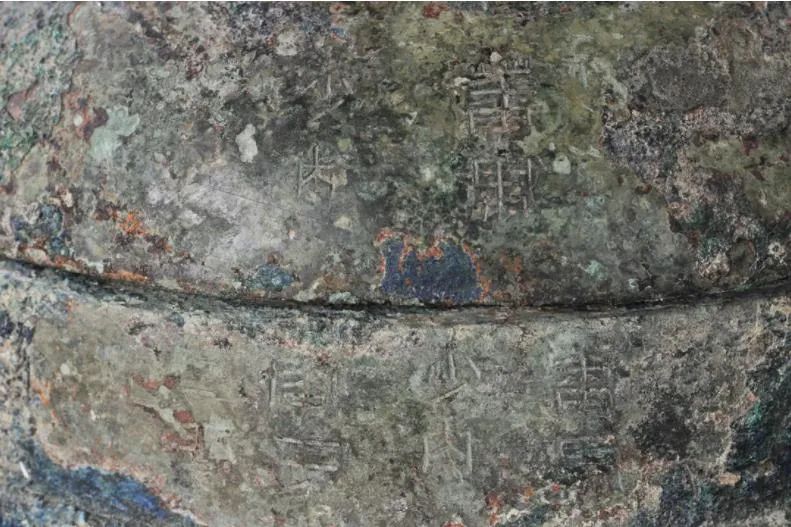
A bronze ding (the cooking vessel in the shape of a tripod) inscribed with Chinese characters '蕃禺 (Panyu, the name of the city when first built some 2,000 years ago)', housed in the Museum of the Nanyue King of Western Han Dynasty “蕃禺”铜鼎 西汉南越王博物馆藏
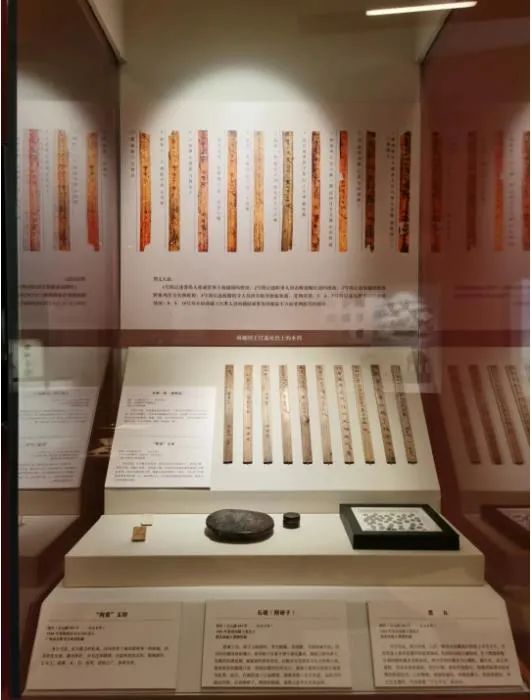
Wooden slips with inscriptions from the Nanyue Kingdom period 南越国时期木简
The palace site of the Nanyue Kingdom is the earliest found and best-preserved Han royal garden/palace site in China. The Wooden Water Gate Ruin of Nanyue Kingdom is also the largest, earliest and the most complete of its kind worldwide.
南越国宫署遗址出土了我国现存最早、保存最为完好的汉代宫苑遗迹;南越国木构水闸遗址则是世界上迄今发现年代最早、规模最大、保存最完好的一处木构水闸遗址。
All the three historic sites were added to China's Tentative List for World Heritage in 2006. The palace site of the Nanyue Kingdom and the tomb of Zhao Mo were included on the list again in 2012 as heritage of the ancient Maritime Silk Road in Guangzhou.
由以上三处南越国考古遗存组成的“南越国遗迹”于2006年入选“中国世界文化遗产预备名单”。2012年,南越国宫署遗址、南越文王墓作为“广州海上丝绸之路史迹点”再次入选预备名单。
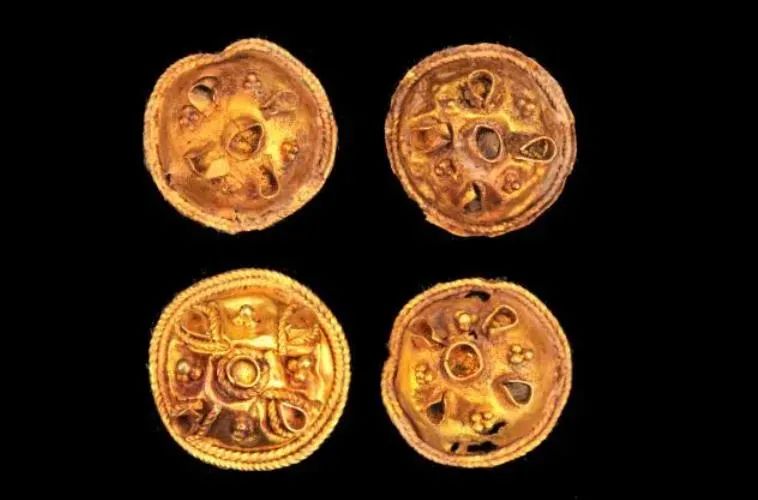
Gold garment accessories with western design, housed in the Museum of the Nanyue King of Western Han Dynasty 金花泡 西汉南越王博物馆藏
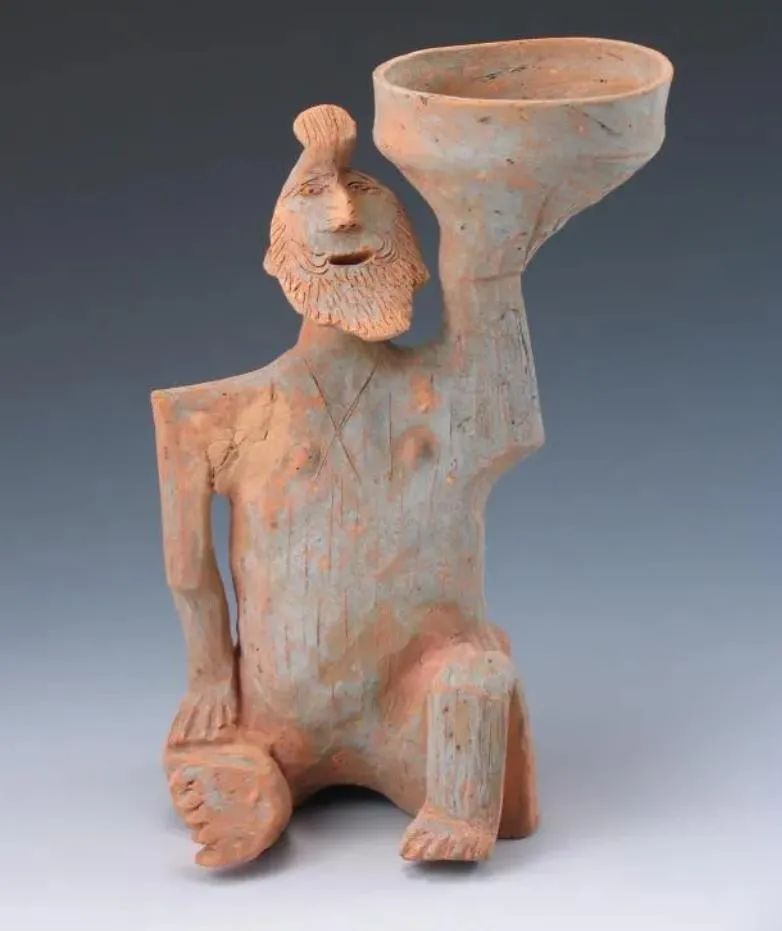
Ceramic figurine, housed in the Guangzhou Municipal Institute of Cultural Heritage and Archaeology 陶俑座灯 广州市文物考古研究院藏
The exhibition in Beijing showcases some of Guangzhou’s iconic museum collections such as the Nanyue King's jade burial suit, the Imperial Seal of 'Emperor' Wen (the second king) of the Nanyue Kingdom and a pottery shard inscribed with Chinese characters '华音宫 (Huayin Palace)'.
本次展览汇集广州三家单位的秦汉文物精品,其中不乏丝缕玉衣、“文帝行玺”金印、“华音宫”印文陶片这样的珍贵文物。
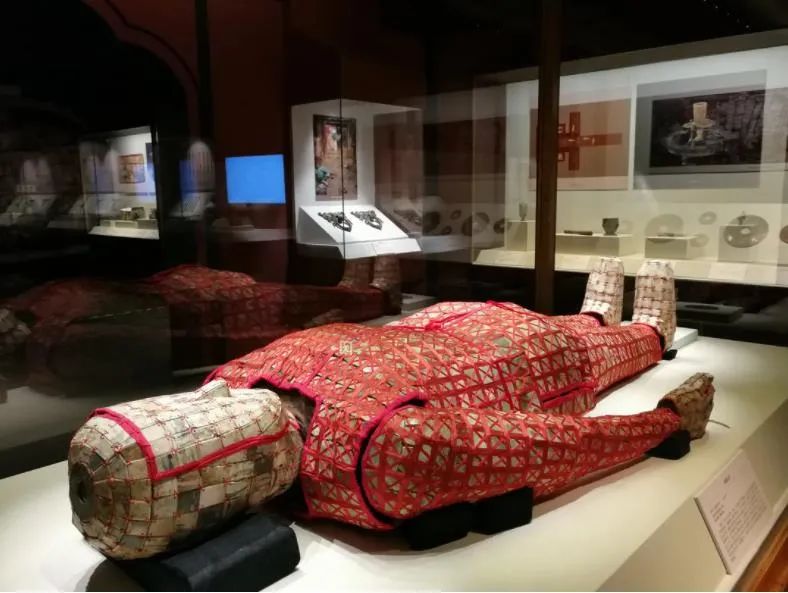
Nanyue King's jade burial suit, housed in the Museum of the Nanyue King of Western Han Dynasty 丝缕玉衣 西汉南越王博物馆藏
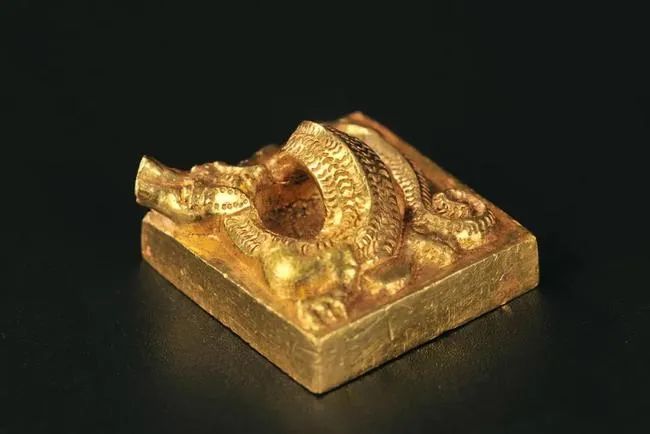
The Imperial Seal of 'Emperor' Wen (the second king) of the Nanyue Kingdom, housed in the Museum of the Nanyue King of Western Han Dynasty “文帝行玺”金印 西汉南越王博物馆藏
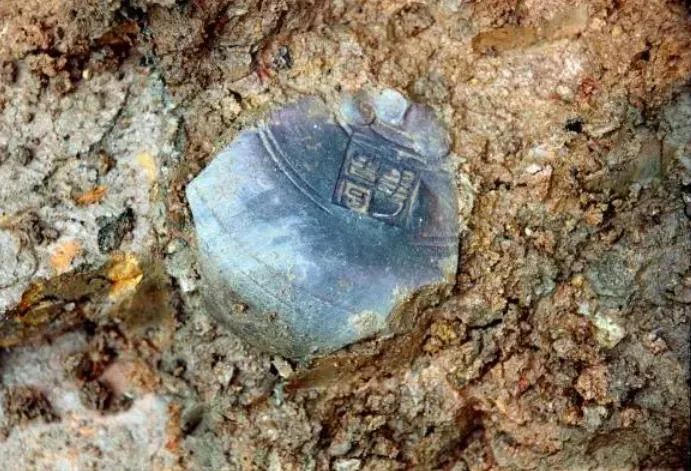
A pottery shard inscribed with Chinese characters '华音宫', housed in the Archaeological Site Museum of Nanyue Palace 刻有“华音宫”的陶片 南越王宫博物馆藏
Guangzhou, the gateway to southern China and a key harbor along the ancient Maritime Silk Road, has thrived for centuries. The cultural relics unearthed from the city not only reflect the social development of the Lingnan region in the Qin and Han dynasties, but also represent the integration of diverse culture in the region.
位于中国南大门的广州,是海上丝绸之路上长盛不衰的重要港口城市,出土文物所反映的秦汉时期岭南社会的历史发展脉络,凸显了岭南社会多文化融合交流、兼容并蓄、和谐发展的时代特征。
Author: Pauline, Liu Liu
Editor: Lyu Yun
Source: GZ-Maritimesilkroad (丝路云帆Silu Yunfan), official Wechat account of City Alliance for the Preservation and world Heritage Inscription of Maritime Silk Road Heritage
Courtesy: Guangzhou Municipal Bureau of Culture, Radio, Film and Tourism