Video/CGTN
Chinese New Year, also known as the Spring Festival, is China's most important holiday. It is rich in customs and traditions.
Starting it off right sets the tone for the 12 months that follow. To usher in a year of luck, health and prosperity, preparation for the New Year festivities begin well in advance of the actual holiday.
Decorating the house with new year couplets is one of the most important customs when celebrating the Spring Festival. The red paper scrolls inscribed with auspicious sayings are pasted vertically on both sides of a door. Traditional handwritten couplets are done with ink and brush on red paper. Usually, the family member with the best calligraphy skills is chosen for this task. So, this can be a challenging but fun task for novice calligraphers.
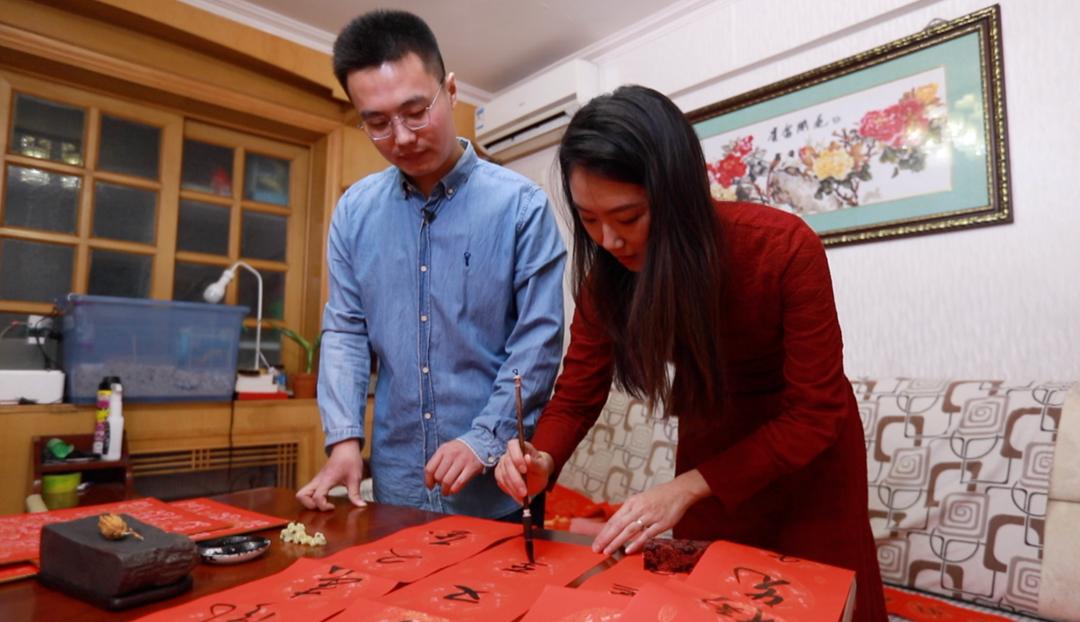
CGTN reporter Lyne Lin learns to write new year couplets for the Year of the Ox. (Photo/CGTN)
As a sign of spring and new life, flowers play an important role in decorations for Chinese New Year. More than a pretty sight, the flowers placed in households all have symbolic meanings. Orchids have long been considered to be a symbol of fertility and abundance. They are one of the most popular flowers during Chinese New Year.
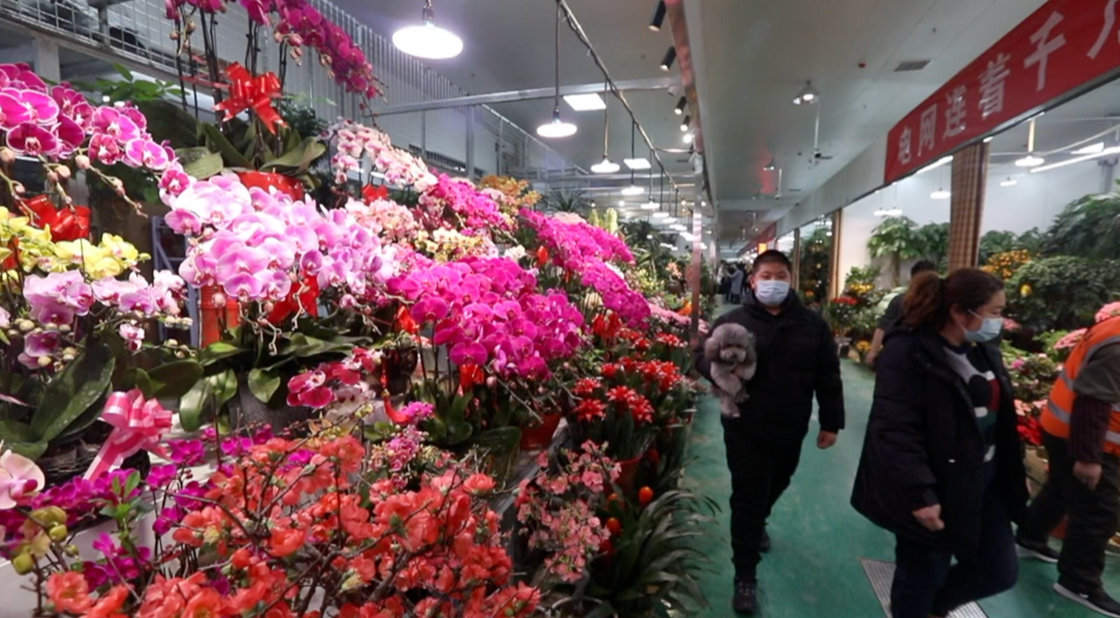
A flower market in Beijing during the Chinese Lunar New Year. (Photo/CGTN)
The fruit-bearing kumquat tree is also a good plant to have. The Chinese word for kumquats happens to be a pun on fortune and luck. So, this potted shrub will ensure good fortune in the household.
Daffodils are also well-liked. It's an auspicious plant symbolizing good health and good luck. They are easy to take care of and give off a sweet fragrance.
Food is also an inseparable part of Chinese New Year. A lot of thought goes into the dishes served at this annual family reunion dinner, as they each hold a symbolic meaning.
Besides the all-time favorite dumplings, the four-joy meatball is a lucky dish to have. The four joys represent success in career, good health, great fortune and happiness in life, as the round shape of the meatball symbolizes togetherness, and reunion.
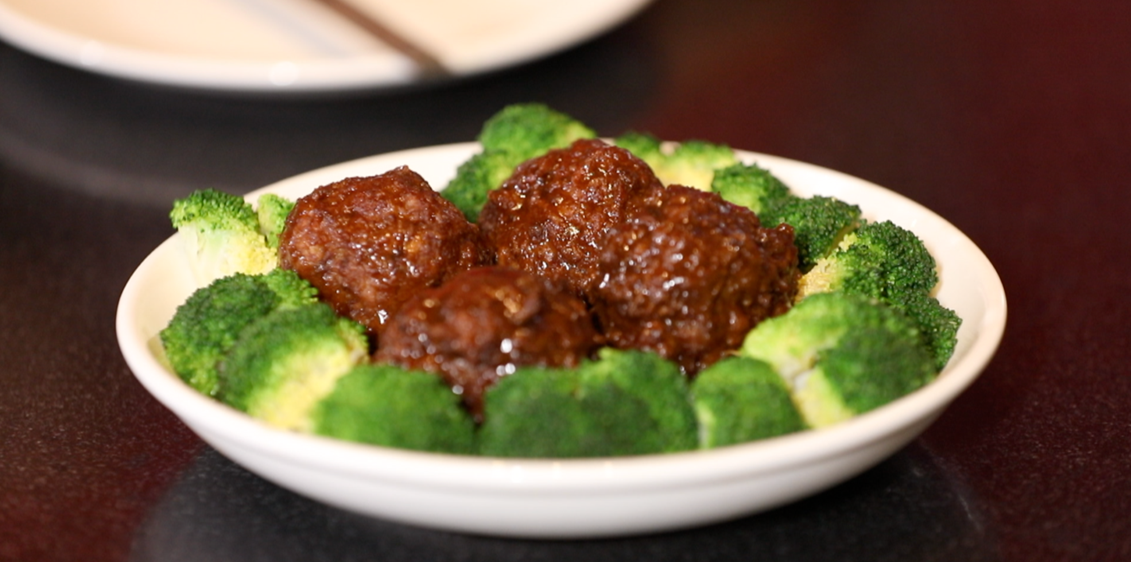
Four joy meatball, also known as Si Xi Wan Zi, is a popular dish served during the Spring Festival. (Photo/CGTN)
This traditional dish calls for quite a few ingredients, and has many steps to prepare, but it's very simple to make. And the final product won't disappoint.
There are many traditions involved when getting ready for the Chinese year, and these are just few of the most popular.

Lunar New Year greetings in Chinese
At Chinese Lunar New Year, good wishes and auspicious greetings abound across China. Many of these festive phrases have been passed down for centuries, as a way of wishing family and friends good luck for the year ahead.
As we approach the start of the Year of the Ox, the Chinese Lunar New Year celebrations are getting underway – and that means brushing up on celebratory idioms and expressions that are commonly used during this festive time of the year. Here are some to get you started:
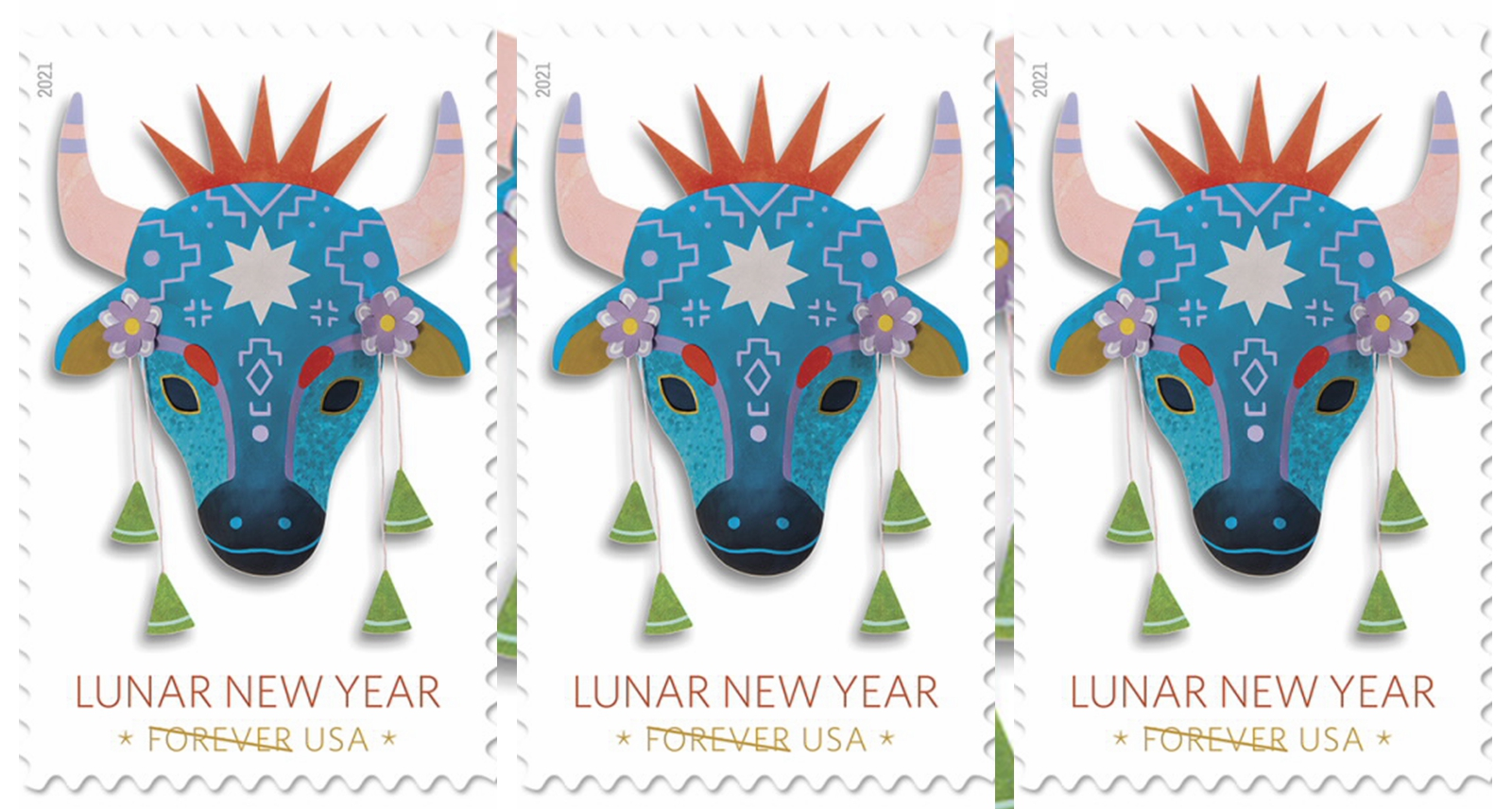
The United States Postal Service (USPS) has issued a special set of stamps to commemorate the Year of the Ox in the Chinese lunar calendar.(Photo/USPS via CGTN)
xīn nián kuài lè, wàn shì rú yì
新年快乐,万事如意
Why stop at just wishing someone a Happy New Year? You could express your hope that all things will go smoothly for the recipient of your greeting. "Happy New Year, and may everything go your way!" This is one of the most common Chinese Lunar New Year wishes, and one of the most ubiquitous – it can be expressed to young and old alike, to both close relatives and distant acquaintances.
gōng xǐ fā cái
恭喜发财
It's not really Chinese Lunar New Year until you hear this phrase: "Wishing you prosperity and fortune." Earning a healthy income to support one's family is a need we all share, and this greeting expresses your wish that money will flow toward the recipient of your greeting. Around China and across the Chinese diaspora, this is another one of the most widely heard New Year salutes.
chūn jié kuài lè
春节快乐
Chinese Lunar New Year is often referred to in Chinese as "Spring Festival," so it makes sense that another common greeting is "Happy Spring Festival!" This expresses the wish that the holiday season will be a joyful one.
xīn xiǎng shì chéng
心想事成
This Chinese Lunar New Year, let your family and friends know you want all their dreams to come true. Translated as "May your wishes come true," this expresses the hope that the year ahead will be brimming with fulfilled dreams.
nián nián yǒu yú
年年有余
Every year, we hope there will be a surplus left over for the year ahead – whether of food, happiness, or opportunities. This saying means "surplus year after year," and expresses the wish for an abundance (of good things). It also explains why fish is an essential dish on any Chinese Lunar New Year dinner table. The Chinese character for fish (鱼) sounds just like the character for "surplus". It's customary to leave part of the dish unfinished – or to prepare two fish and save one for the next day; the leftovers represent a "surplus" for the year ahead!
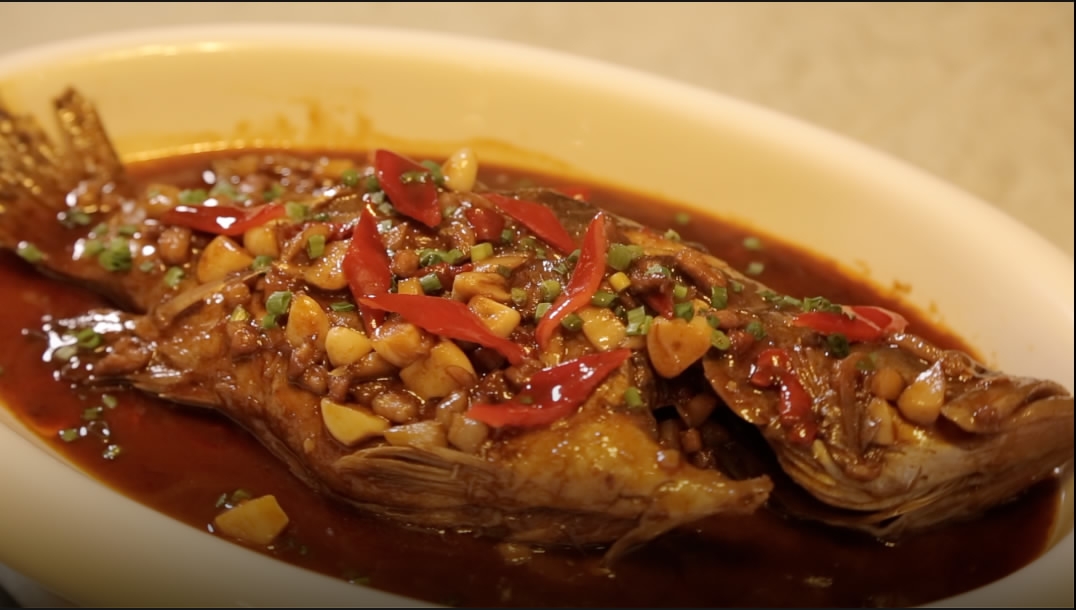
No Chinese Lunar New Year dinner table is complete without an impressive fish dish. (Photo/CGTN)
yì fān fēng shùn
一帆风顺
"Smooth sailing" – what more can we hope for in the ebbs and flows of life? At Chinese Lunar New Year, wish your loved ones a smooth journey for the year ahead, with the wind in their sails!
Source: CGTN
Editor: Lv Yun