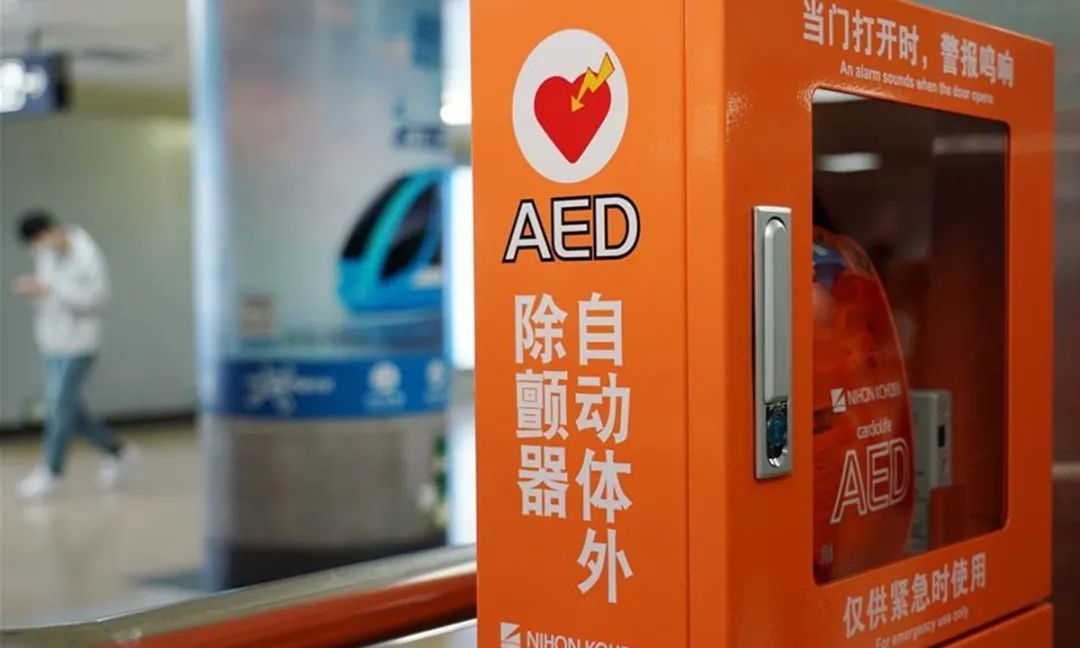
An automated external defibrillator (AED) is seen in Xidan Subway Station in Beijing, capital of China, October 27, 2020. [Photo/Xinhua]
Guangzhou is planning to equip the city's subway stations with automated external defibrillators (AEDs), a first-aid device a bystander can use to help people with sudden cardiac arrest. The life-saving devices are expected to be installed at some 100 subway stations with massive passenger flows as well as nine stations of Guangzhou-Qingyuan Intercity Railway and Guangzhou East Ring Intercity Railway(广州东环城际), according to Guangzhou Metro.
The pilot installation of AEDs will start from December 18 (Friday), carried out in two phases.
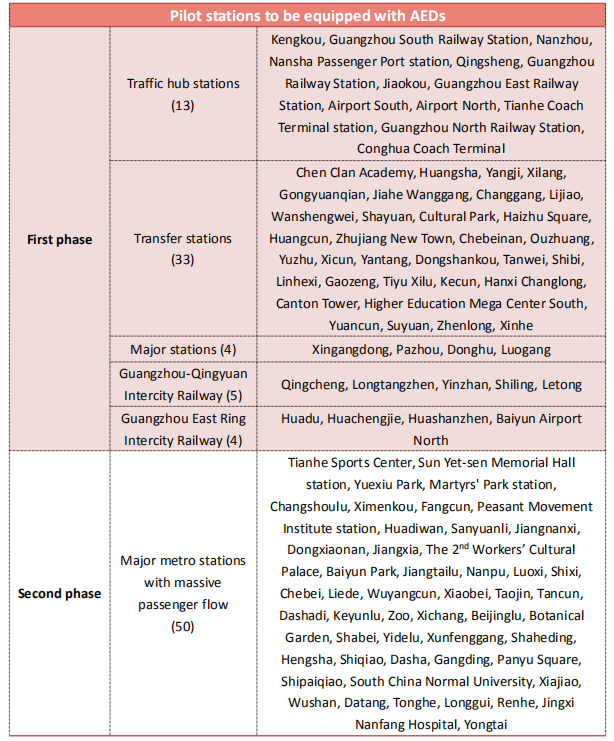
Source: Guangzhou Metro, updated on December 11, 2020.
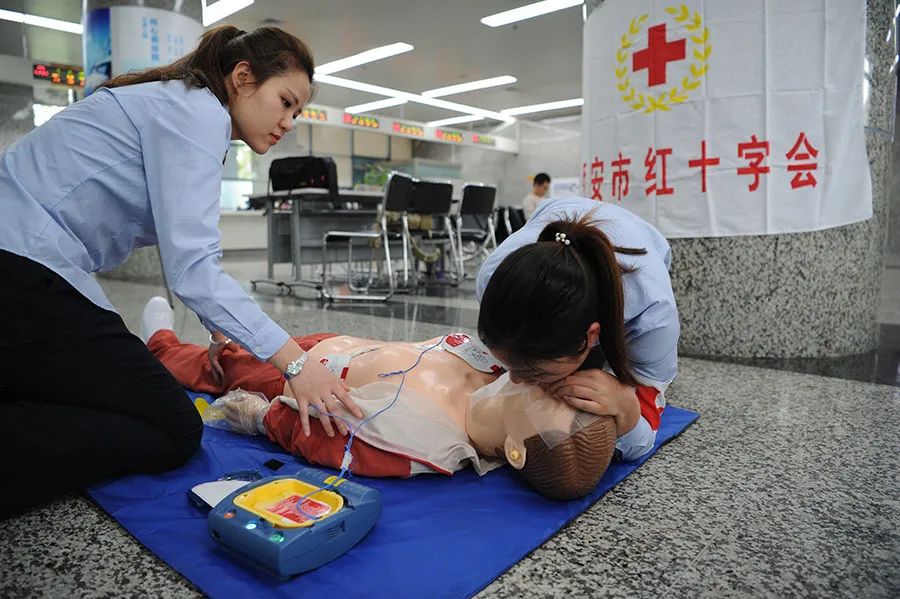
Volunteers learn to use an automated external defibrillator during a training session in Xi'an, Shaanxi province. [Photo/Xinhua]
AED is a type of medical device that can analyze heart rhythm and deliver an electrical shock if necessary, to help a person suffering sudden cardiac arrest restore effective rhythm.
The device is viewed in medical circles as a more efficient and effective method of saving lives in emergencies than using cardiopulmonary resuscitation (CPR) procedure. After a brief training, people with no professional medical knowledge can master the basic skills needed to use an AED. Therefore, AED is considered one of the most effective first-aid devices to be placed in public areas.
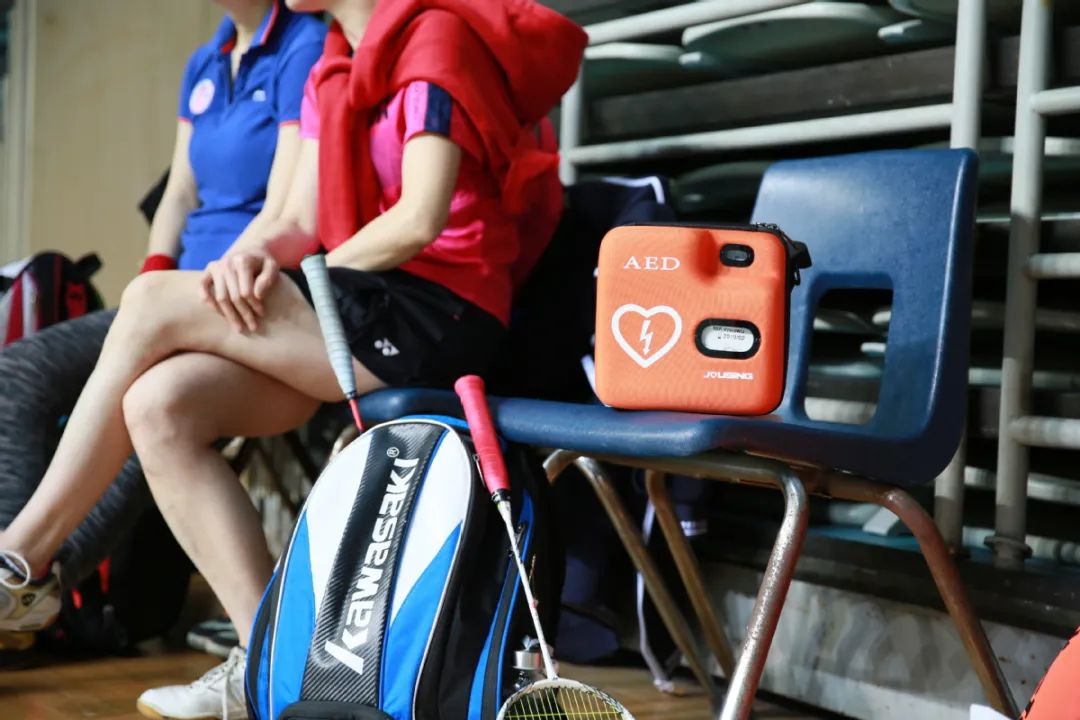
AEDs used for more scenarios including sports venues. [Photo provided to China Daily]
In a life-threatening cardiac arrest event in a public place, the correct use of an AED and CPR within four minutes of a cardiac event, known as the "golden four minutes" for life saving, can greatly improve the effect of pre-hospital first aid and achieve the purpose of saving lives and reducing injuries.

[Photo/Sophia]
Author & editor: Becky