Non-degradable plastic bags will be banned entirely in food take-out services, exhibition activities and venues like supermarkets, bookstores and pharmacies across Guangzhou by the end of 2020, while restricted in trading markets. The new rules are part of Guangdong's revived regulation, which came into effect on September 1, to cap the use of plastic products.
Under the regulation, supermarkets, restaurants and food stands in Guangzhou are reacting differently to the tightened rules, according to the local media.

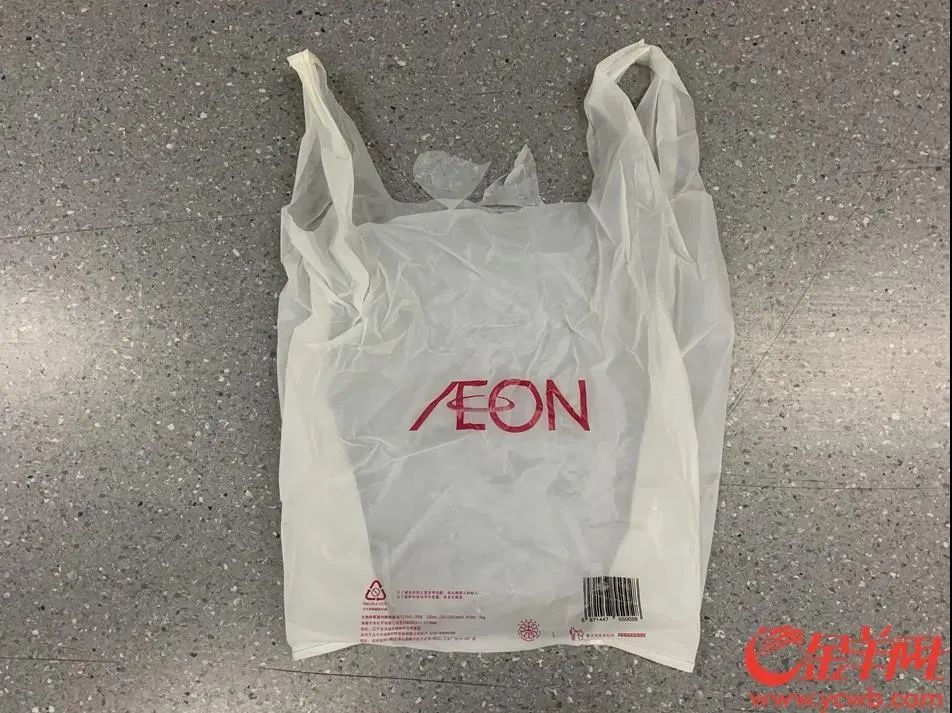
A biodegradable plastic bag costs 0.9 yuan in Aeon supermarket at Teemall. [Photo/Yangcheng Evening News]
Some supermarkets have introduced "biodegradable plastic bags", which are ecological friendly but with a cost price three to five times higher than non-degradable ones.
In Aeon supermarket at Teemall (天河城永旺超市), a small-size biodegradable plastic bag will cost 0.9 yuan and a big one 1.3 yuan. In Ole' supermarket in Taikoo Hui (太古汇ole' 超市), a plastic bag would even cost 1.5 yuan. Some citizens have experienced a price hike of plastic bags, as not long ago, plastic bags were either free or cost less than one yuan.
Faced with the rising cost of degradable plastic bags, supermarkets are calling on customers to prepare their own shopping bags and encourage shoppers to purchase alternative, recyclable cloth bags that cost nearly the same as biodegradable plastic bags.

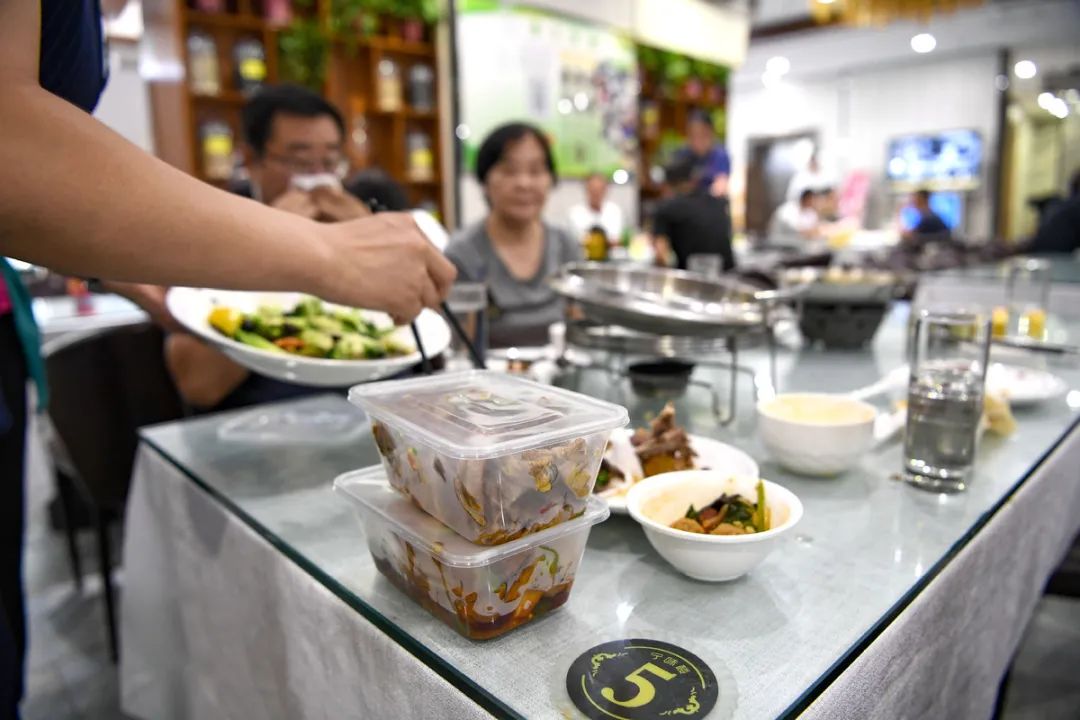
A waitress packages leftovers for customers at a restaurant in Yinchuan, Ningxia Hui autonomous region, August 16, 2020. [Photo/Xinhua]
Some restaurants are promoting smaller-portion or half-portion dishes, echoing the "Clear Your Plate" campaign against food waste, as a way to reduce the use of plastic bags. Guangzhou Restaurant (广州酒家), a renowned catering brand in the city, encourages customers to take with them lunchboxes for packing leftovers at the restaurant.
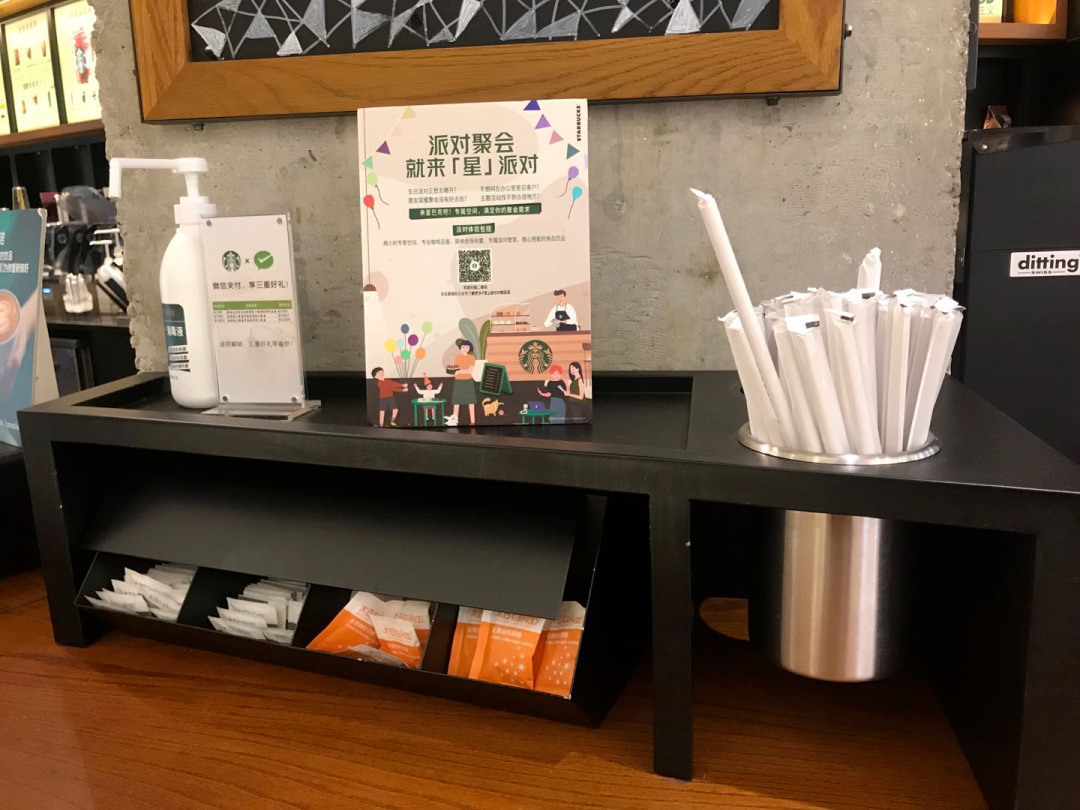
Paper-made straws in Starbucks. [Photo/Nanfang Metropolis Daily]
Some eateries tend to offer paper-made straws and packages instead of plastic ones. Mcdonald's has announced its decision to stop providing plastic straws to customers at off-line stores in Guangzhou since late-June, and Starbucks will ban plastic straws in all stores worldwide by the end of 2020.

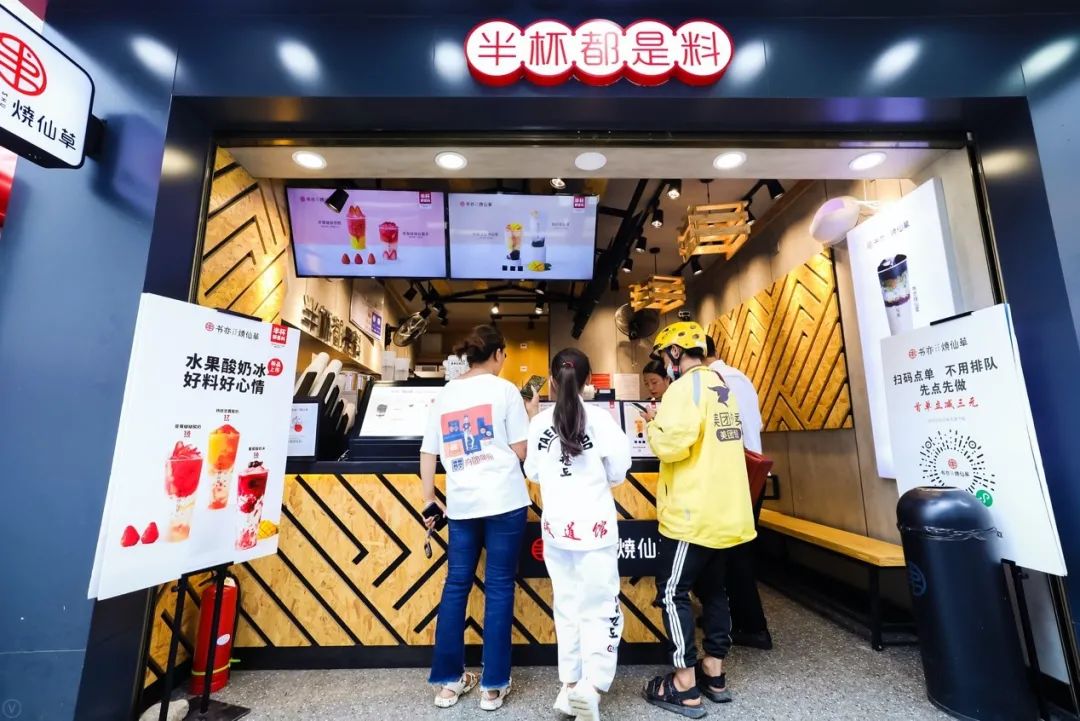
Photo/Guangzhou Daily
Small-size eateries that rely more on food take-out services, like food stands and cold drink stalls, seem slow in response to the new regulation. According to Guangzhou Daily, a typical takeout meal at street food booths would require one plastic bag and two packaging boxes; plastic straws are important for stores selling cold drinks like bubble tea (also known as pearl milk tea珍珠奶茶) out of consumers' convenience.
China's Ministry of Commerce recently revealed plans to reduce the production and use of environmentally-unfriendly plastic products. By the end of 2020, non-degradable single-use plastic straws and tableware will be banned from dine-in services in cities; non-degradable plastic bags will be prohibited in all food take-out services, supermarkets, bookstores and drug stores. Moreover, hotels and guesthouses nationwide should stop using single-use plastic wares by 2025, the ministry said.
New policies affecting your life from September
Author & editor: Becky