作为国家中心城市,广州科技创新工作呈现越来越强的“国际范”。在3月29日召开的广州市第59场疫情防控新闻通气会(省科学技术奖专场)上,来自西班牙的科学家、中国科学院广州生物医药与健康研究院研究员米格尔·埃斯特班(MIGUEL ANGEL ESTEBAN BARRAGAN),用英语介绍了广东省自然科学一等奖项目《尿液诱导多能干细胞技术及体细胞重编程机制》研究成果,和团队得奖背后的故事。
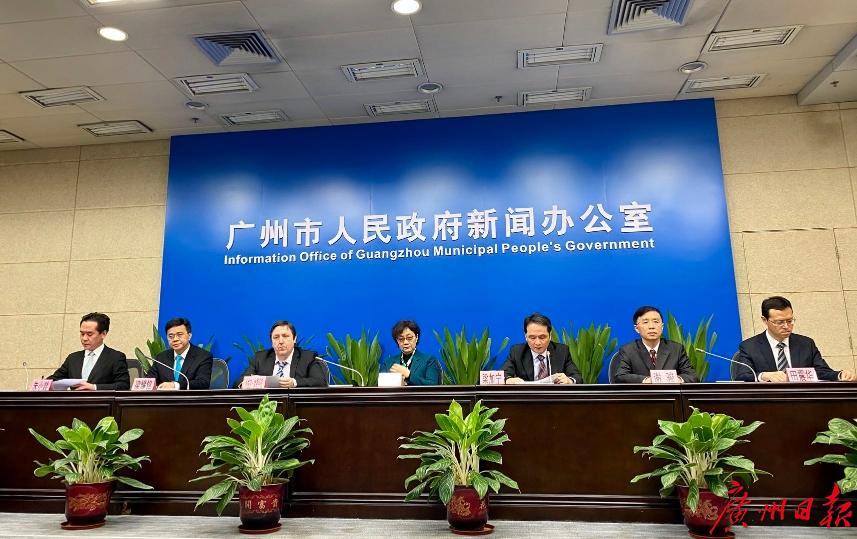
“首先,非常感谢广东省科技厅给我们颁发这个奖,这是我们团队共同努力所得,所以我也非常感谢我们团队的其他成员,特别是我的朋友也是我的同事秦宝明研究员,同时也非常感谢我们研究院-中国科学院广州生物医药与健康研究院的支持。”米格尔·埃斯特班表示。
该奖项的第一位非华裔科学家获奖者,米格尔·埃斯特班表示,“希望有更多来自世界各地的出色的科研人才可以和我一样,来到广东或中国其他地区工作。”
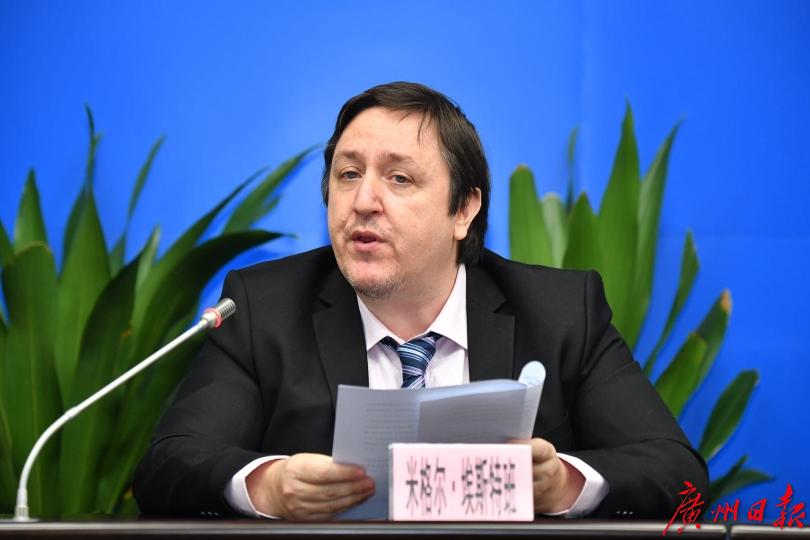
他回顾了生物学的发展历史。“20世纪及之前的生物学主要是关于现象的描述。然而,在21世纪,生物学正成为干预,变革的学科。将人体的任何细胞转化为与胚胎发展初期的细胞非常相似的细胞就是一个很好的例子,这些细胞被称为诱导多能干细胞,它们在再生医学中具有巨大的潜力。”
“我们团队已经证明,来自肾脏并在尿液中发现的细胞是产生诱导性多能干细胞的非常好的来源。该发现十分有意义,因为这一过程是非侵入性的,可以应用于任何个体,并且所产生的诱导多能细胞具有非常好的质量。目前,世界各地的许多医院都重复了这一发现,并正在生产用于临床或科学目的的尿液诱导的多能干细胞。”他说。
米格尔·埃斯特班表示,“我很荣幸我们团队的科研成果将为世界各地的人们提供帮助,并为使广州成为国际科学研究的领先城市做出了贡献。”
广东省自然科学一等奖项目《尿液诱导多能干细胞技术及体细胞重编程机制》研究成果第二完成人中国科学院广州生物医药与健康研究院研究员秦宝明在帮忙翻译同事的发言后,也介绍了团队的研究成果。
“尿液细胞重编程技术提供了一种全新的更加便利的制备iPS细胞的方法。然而我们注意到,建立尿液iPS细胞的过程依然需要3-4周时间,而且获得的iPS细胞的质量也存在着不稳定性。这就需要从重编程的发生机制角度寻找效率低下的原因。我们两个团队先后发现了3个阻止重编程发生的限速环节和1个必需事件,通过这些新的发现我们能大大提高诱导效率和质量。”秦宝明说。
秦宝明表示,“未来我们2个团队还将继续探索,与国内外同行共同推进重编程技术早日走向临床应用,为广东省、中国乃至世界作出更大贡献。”
以下是米格尔·埃斯特班在发布会现场发言的英文全文。
Miguel A. Esteban
First, I would like to thank the Guangdong government for this award. This is a team award and I would also like to thank all our team members, in particular my friend and colleague Professor Qin Baoming, and also our institute for their support.
Being selected as the first non-Chinese origin scientist recipient of this award is a great honor. Hopefully, more talented people from all over the World will follow on my steps and come to work in Guangdong or elsewhere in China to do great science.
Biology in the 20th century and before was mostly about description of phenomena. Yet, in the 21st century, Biology is becoming a discipline for interference, for change. A good example is the ability to transform any cell of our human bodies into cells that are very similar to those from which we come at the very beginning of embryonic development. These cells are called induced pluripotent stem cells and they have a tremendous potential for regenerative medicine.
Our team has demonstrated that cells coming from the kidney and found in urine are an excellent source for producing induced pluripotent stem cells. This discovery is relevant because the procedure is non-invasive, can be applied to any individual and the resulting induced pluripotent cells are of exceptional quality. Now, many hospitals all over the World have repeated this achievement and are producing urinary induced pluripotent stem cells for clinical or scientific purposes.
I am proud that my colleagues and I have produced something that will help people from all over the World, and that also contributes to put Guangzhou as a leader city in international scientific research.
广州日报全媒体文字记者 方晴 龙锟
广州日报全媒体图片记者 王燕 骆昌威
广州日报全媒体视频记者 方晴 龙锟 王燕 骆昌威
广州日报全媒体编辑 彭姣时